
Anecdotes about the Virgin Mary
The Morenita that the simple people made their own
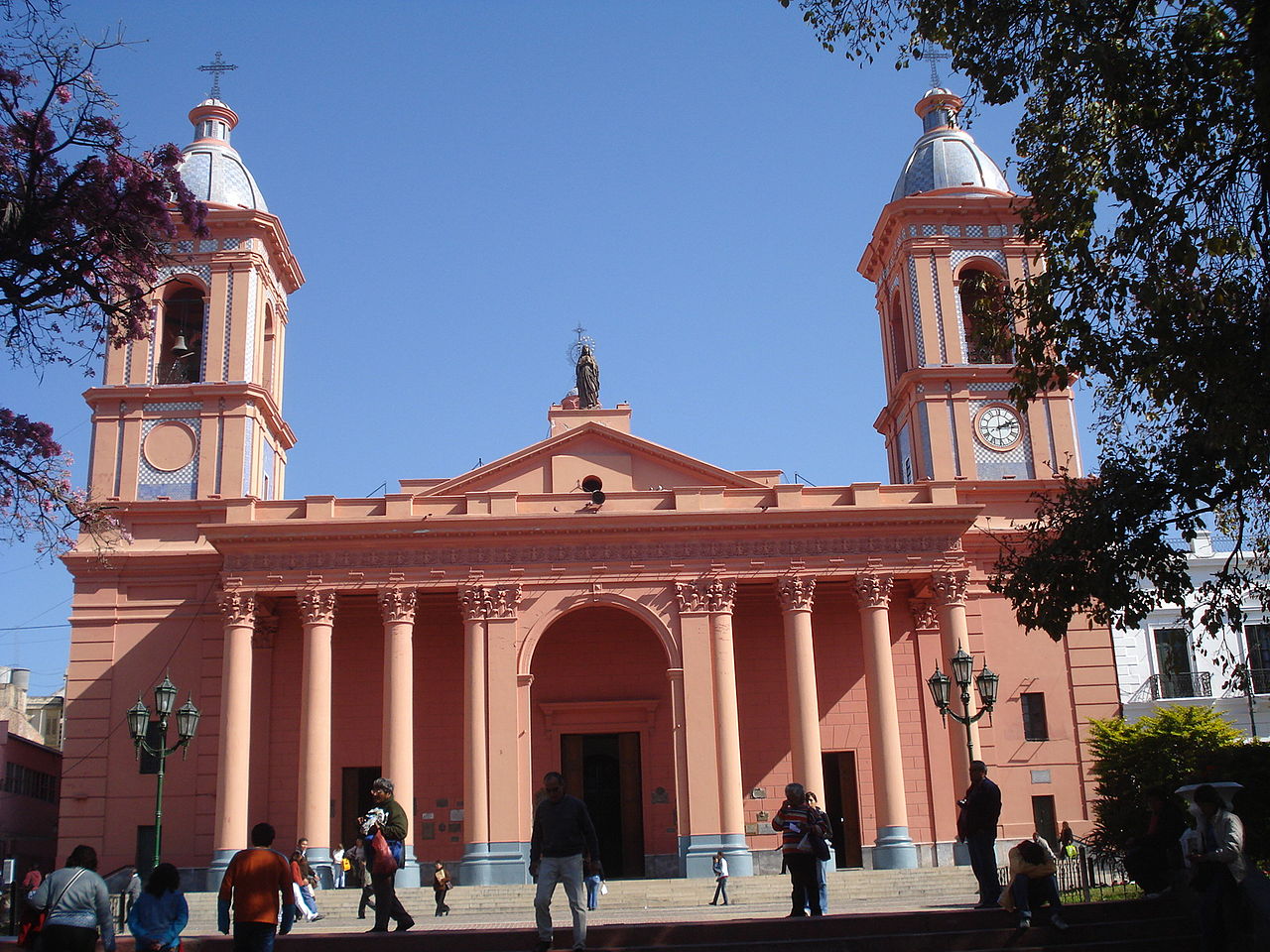
In San Fernando del Valle de Catamarca, in Northwest Argentina, a small, dark-skinned image of the Immaculate Conception is venerated, affectionately called "La Morenita del Valle" or "La Morena del Valle" by the locals due to the carving's dark color. It is one of the most beloved Marian devotions in the region and the patron saint of the province, especially revered by miners, muleteers, travelers, and the poor.
Several traditional versions circulate regarding the origin of the image. One tells of a carving found by indigenous people or a humble peasant in a grotto or cave in the valley, which mysteriously appeared or reappeared in the same place after being moved. Another links it to a gift brought from Peru or Spain by a devotee or landowner, which supposedly remained in the region acquiring a miraculous reputation.
It is important to distinguish between legend and documented fact. The accounts of the discovery in the grotto, the reappearances of the image, and the specific names of the indigenous person, the shepherd, or the landowner belong to oral tradition and popular piety: they are not historically certain, and studies generally acknowledge that the precise origin of the image is unknown. What is generally documented, however, is that the image existed in Catamarca from at least the 17th and 18th centuries, enjoying growing devotion and a reputation for being miraculous, especially among travelers, miners, and the sick.
Over time, the image became established in the city, with public veneration and processions. The current Cathedral Basilica was built in the 19th century, consolidating the Virgin of the Valley as the provincial patron saint and a center of major pilgrimages, especially during the April and December festivals. She has received coronations and recognitions from the Argentine Church and the Holy See. Numerous votive offerings—plaques, tools, crutches—are kept in the local shrines, given in gratitude for favors attributed to the Virgin. The presence of these offerings is verifiable, although each specific miracle remains within the realm of faith. The Rosary accompanies the life of the shrine as a common Marian devotion, although there is no record of a specific founding Rosary.
A flower for the Virgin
Give thanks to the Virgin Mary for her love. Pray a Hail Mary remembering this story.
Pray Hail MaryIs the advocation of the Virgin Mary of your people missing?
Si no encuentras la advocación mariana de tu ciudad o pueblo, cuéntanosla: la investigaremos para ubicarla y darla a conocer en este mapa del amor de la Madre por el mundo.
Propose an apvocation →