
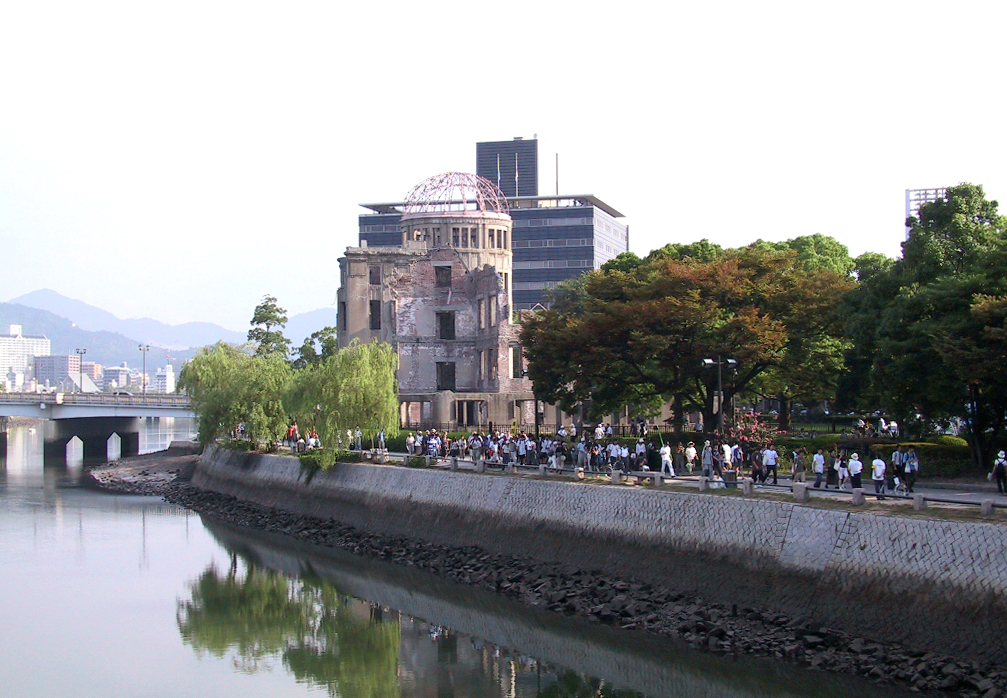
Hiroshima: the eight whom the Rosary protected
El 6 August 1945The first atomic bomb destroyed Hiroshima. Just over a mile from the hipocentric was the parish house of the jesuitas, next to the church of the Asunción (Noboricho district). All in miles to the round was sprayed... but the eight Jesuits of that house - including parents Hubert Schiffer, Wilhelm Kleinsorge, Hugo Lassalle and Hubert Cieslik - they survived almost unharmedwith slight wounds of the crystals.
The amazing thing came later: the doctors warned that the radiation received would cause them injury, disease and death. It never happened. They did not suffer the effects of radiation and lived for many years; they were examined and interviewed - Father Schiffer said more than 200 times - by scientists who failed to explain it. His answer was always the same:

Nagasaki: the convent of Saint Maximilian Kolbe
Three days later, the 9 August 1945The second bomb fell on Nagasaki. On the outskirts on the hillside of Mount Hikosan was the Franciscan convent Mugenzai in Sleep («el Jardín de la Inmaculada»), fundado en 1931 por el polaco San Maximiliano María Kolbe, untiring apostle of the Immaculate and the Rosary. The convent was standing and intact, kept by the mountain, when much of the city was destroyed.
Kolbe had chosen that location, on the other side of the mountain, out of humility and poverty; his brothers later saw it as a providential protection. His community, faithful to the daily Rosary and their consecration to the Immaculate Conception, continued from there to proclaim Mary. (To be honest: it is not true that Kolbe "prophesied" the bomb; what is certain is that the location, on the other side of the mountain, saved the monastery.)
Is the advocation of the Virgin Mary of your people missing?
Si no encuentras la advocación mariana de tu ciudad o pueblo, cuéntanosla: la investigaremos para ubicarla y darla a conocer en este mapa del amor de la Madre por el mundo.
Propose an apvocation →