
Marian devotion
Our Lady of Nicula
Marian Advocation of Nicula (Transylvania)
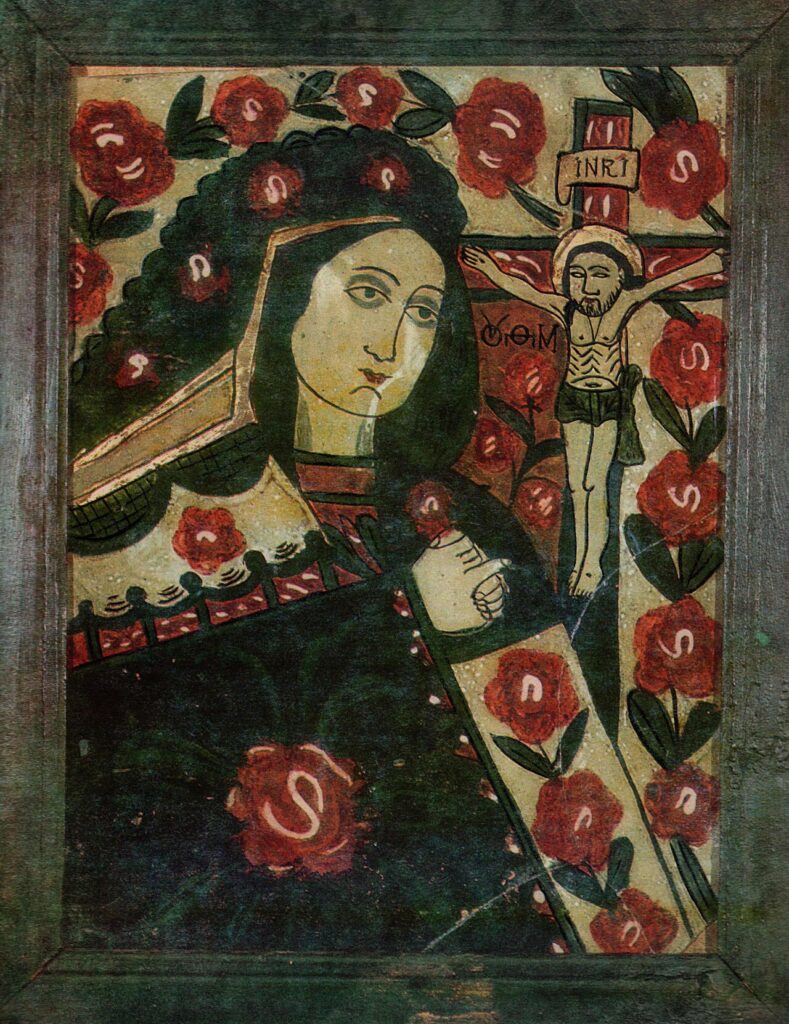
The Nicula monastery is located near the village of Nicula, about 7 km from the city of Gherla, in Cluj County, the historic region of Transylvania (Romania). It is known as one of the most important Marian pilgrimage centers in the country, linked to a miraculous icon of the Mother of God who would have shed tears in the 17th century.
Main data
Origin and history
The Nicula monastery is located near the village of Nicula, about 7 km from the city of Gherla, in Cluj County, the historic region of Transylvania (Romania). It is known as one of the most important Marian pilgrimage centers in the country, linked to a miraculous icon of the Mother of God who would have shed tears in the 17th century.
♪ documented history ♪
The Romanian sources of cultural and tourist dissemination mention that the monastery of Nicula, dedicated to the Sleep of the Mother of God, was configured as a place of Marian devotion from the phenomenon of an icon of the Virgin who cried in 1699. Radio Romania International, in a report on the Marian shrines of the country, explicitly points out that "in the monastery of Nicula, an icon of the Virgin Mary cried tears of blood in 1699, a documented fact that transformed the place into a center of pilgrimage and hope for thousands of faithful."
This fact, witnessed by witnesses from the time and collected in local documents, marked the beginning of the great influx of pilgrims, both from the Greek-Catholic and Orthodox rite, and gave rise to the advocation of Nuestra Señora de Nicula. The monastery is today among the most visited sanctuaries of Transylvania, with a continuity of pilgrimages over the centuries.
### Tradition and legend
Along with historical data, popular piety has woven traditions and stories around the icon, considered devotional rather than strictly historical. There is talk of numerous miracles, conversions and spiritual healing linked to the intercession of the Mother of God venerated in Nicula, who would have strengthened the fame of the sanctuary as a place of grace and comfort. The tradition also presents Nicula as cradle of the icons on glass of Transylvania, since the influence of the miraculous icon would have inspired generations of local iconographers; this point is considered rather a cultural and spiritual synthesis than a strictly dated data.
The image and the sanctuary
♪ ♪ The image
In the monastery of Nicula a icon of the Mother of God with the Child Jesus, oriental style, following Byzantine iconographic tradition. It is a painting made on rigid support (table), venerated as miraculous and associated with the phenomenon of tears that occurred in 1699. The sources in Spanish consulted do not detail precisely the technique (temple, oil, etc.) or the exact iconographic type (e.g., Hodigitria, Eleusa...), so no consta documented in these sources.
The icon is presented as a serene and compassionate face of the Virgin who sustains the Child, inviting the confident prayer of the faithful. Its fame has favored the development of the local school of icons on glass of Transylvania, which imitate and spread the Marian image in multiple homes and chapels of the region.
### The Sanctuary
The place of worship is the Monastery "Sleeping of the Mother of God" by Nicula (en rumano, Dormition of the Mother of God - Nicula). El complejo monástico incluye:
– Un antiguo monasterio de madera, con varios siglos de historia (las reseñas turísticas mencionan una antigüedad de unos 600 años, aunque sin precisar fecha fundacional exacta). – Un amplio conjunto monástico moderno, con iglesia de mayores dimensiones y dependencias nuevas para acoger a los monjes y a los peregrinos, resultado de las reformas y ampliaciones recientes debidas al crecimiento de la devoción.
The monastery is located in an area of hills, in a natural environment suitable for prayer and spiritual retreat. The sources consulted in Spanish do not mention that the church has received the title of minor basilica nor of the national sanctuary of the Holy See, no consta officially such recognition in these sources. Its importance is stressed as one of the most prominent Marian shrines in Romania and a pilgrimage centre at regional and national level.
Sponsorship and coronation
The tourist and outreach sources point to Nicula as a reference sanctuary for Catholics (especially of Greek-Catholic rite) and for Romanian Orthodox, but no consta in these sources in Spanish a formal proclamation of canonical patronage (for example, patron of a specific diocese or of the Romanian nation).
On the canonical coronation del icono:
– En las fuentes consultadas (turismo de Cluj, reportajes de Radio Rumanía Internacional, guías de peregrinación en español) does not appear mención clara y documentada de una coronación canónica por mandato pontificio ni del año y autoridad delegada. – Dado que la norma pedida exige no inventar datos ni deducirlos sin constancia precisa, se debe afirmar: does not contain a documented canonical coronation in the Spanish sources used.
Party and devotion
La devoción a Our Lady of Nicula is expressed mainly through the great annual pilgrimages to the monastery. The sanctuary is described as one of the most important pilgrimage centers in Romania, which brings together thousands of faithful in the main Marian festivities. The reviews highlight that the place is for many believers a space of "hope and miracle," associated with spiritual comfort and the search for the protection of the Mother of God.
As for specific holiday dates:
– Diversas fuentes devocionales no oficiales en internet mencionan una conmemoración el 15 February, linked to the memory of the tears of the Virgin in 1699, but these references come from personal publications on social networks and No. el peso de una fuente eclesial o institucional. – Las páginas oficiales consultadas en español (turismo de Cluj, reportajes de Radio Rumanía Internacional) no indican de forma expresa la fecha de la fiesta litúrgica principal de la advocación.
Therefore, from a rigorous point of view, no consta with certainty, in the Spanish sources used here, the official liturgical date of Our Lady of Nicula's main feast.
In the devotional plane, it is highlighted:
– La presencia de numerosos peregrinos tanto del rito greco-católico como del ortodoxo, lo que hace de Nicula un lugar de encuentro entre cristianos de diversas tradiciones. – Prácticas de piedad popular típicas de los santuarios marianos de Europa oriental: procesiones con iconos, vigilias de oración, confesiones sacramentales (en las comunidades católicas), encendido de velas, cantos marianos tradicionales y solicitudes de intercesión de la Madre de Dios.
Link to the Rosary
The specific sources of Our Lady of Nicula do not point to an explicit historical or institutional link between this sanctuary and the prayer of Rosary as its own characteristic, unlike, for example, Lourdes or Fatima. There is therefore no documented tradition that presents the Rosary as a distinctive practice linked to the origin of the sanctuary or to the weeping icon.
However, in the Marian life of the Church, the Rosary occupies a central place as meditation of the mysteries of Christ with the Virgin Mary. Where the Mother of God is venerated, especially before an icon that recalls her compassion and closeness in human suffering, the Rosary naturally becomes a privileged prayer:
– Permite contemplar, junto a María, la Encarnación, la Pasión y la Resurrección de su Hijo, fuente de consuelo para quienes acuden en peregrinación. – Facilita unir la propia vida y sus dificultades a la intercesión de la Madre de Dio
A flower for the Virgin
It offers a simple prayer to this advocation. Pray a Hail Mary for Romania and for world peace.
Pray Hail MaryIs the advocation of the Virgin Mary of your people missing?
Si no encuentras la advocación mariana de tu ciudad o pueblo, cuéntanosla: la investigaremos para ubicarla y darla a conocer en este mapa del amor de la Madre por el mundo.
Propose an apvocation →