
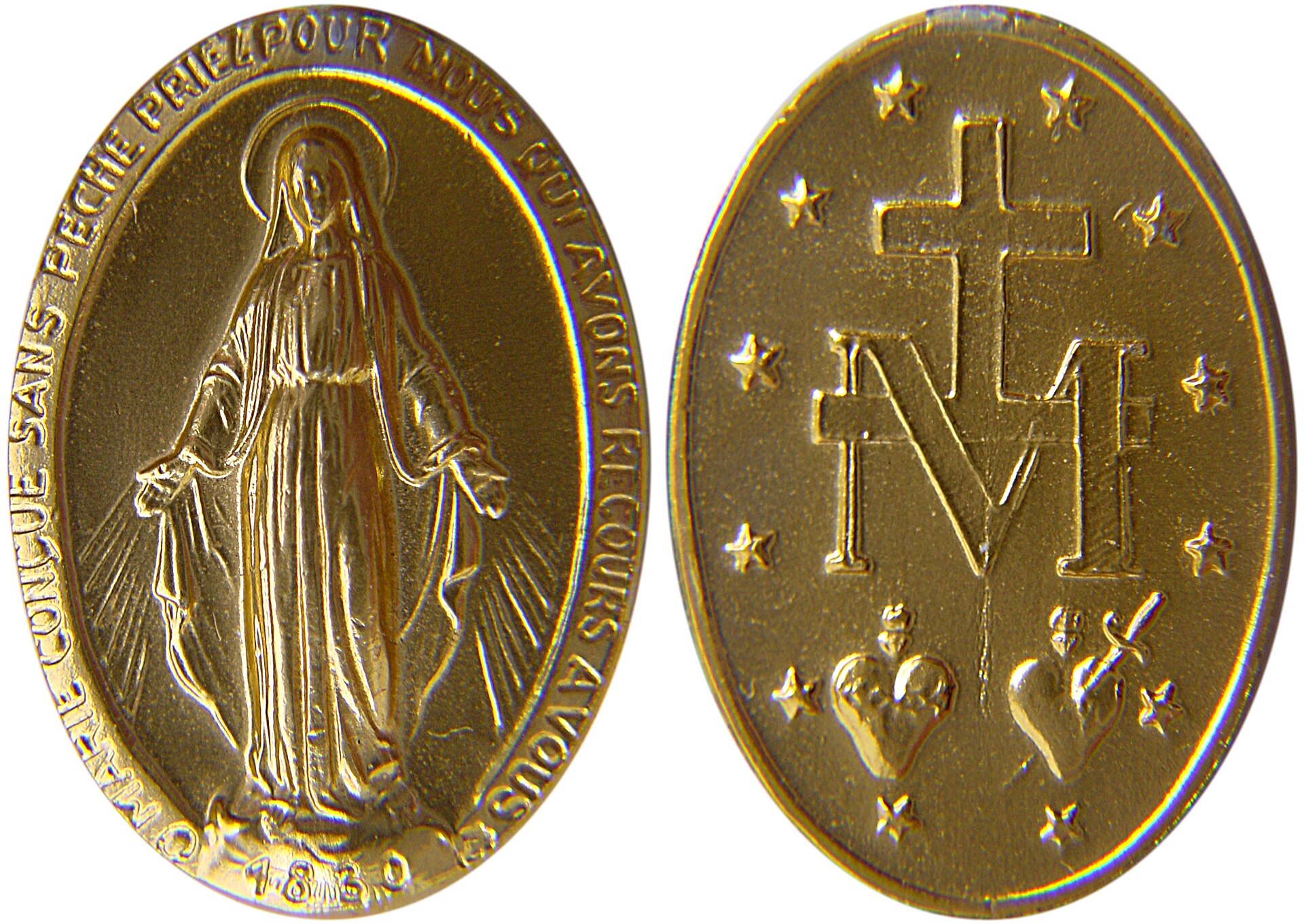
The sacramentals accompany Christian life with blessings and signs that refer to Christ. This directory brings together its history, meaning, correct use and documented images, always distinguishing faith from superstition.
Qué son los sacramentales
The Catechism defines them as sacred signs instituted by the Church to prepare the faithful to receive the fruit of the sacraments and to sanctify various circumstances of life. They come from the baptismal priesthood, are expressed mainly in blessings and act through the intercession of the Church. They are not an eighth class of sacraments, they do not contain grace by material mechanism and do not force God.
History: from the ancient Church to the present Bendium
The root is found in the biblical prayer of blessing, the sign of the cross and the thanksgiving of people, food and circumstances. The ancient Christians blessed, anointed, prayed over the sick and venerated memories of the martyrs without confusing these gestures with the Eucharist or Baptism. With the organization of the liturgy, sacramentaries, pontifics and rituals emerged that ordered the blessings.
During the Middle Ages the pilgrimages, insignia, scapulars born of religious habits, bells, candles and blessings linked to the calendar increased. The Modern Age gathered rites in more uniform books, especially the Ritual Romanum of 1614, while new congregations spread medals and cords. The liturgical movement and the Second Vatican Council asked to review the sacramentals so that the faithful understood their paschal sense and their relationship with the liturgy. The current Catechism, the Code of Canon Law and the Bendium place its effectiveness in the prayer of the Church and reserve certain rites for specific ministers.
Sacraments and sacraments: essential difference
The seven sacraments were entrusted by Christ to the Church and they confer the grace they mean. The sacramentals were instituted by the Church and ready to cooperate with grace. The holy water recalls Baptism, but does not baptize; a devotional oil is not the Untion of the Sick; a scapular does not guarantee salvation; a medal does not protect by its metal.
Full Directory
San Charbel oil and cloth: origin, history and causation
Water and oils
Agnus Dei wax: sacramental pontifical historical
Sacramentals and objects of piety
Agua bendita: memoria bautismal y uso litúrgico
Sacramentals and objects of piety
Lourdes water: history, Christian sense and devout use
Water and oils
St. Ignatius's Water: History of Blessing and Devout Use
Water and oils
Water and place of Jesus' Baptism in the Jordan River
Sacramentals and objects of piety
Basil and Exaltation of the Holy Cross in Byzantine tradition
Sacramentals and objects of piety
Tape or measure of the Virgin of the Pilar: complete history
Songs and memories of the sanctuary
The Holy Angels: history and spirituality
Devotional cords
Cordón de santa Filomena: History of a devotion
Devotional cords
Cross of olive wood of Bethlehem
Sacramentals and objects of piety
Crucifix of Forgiveness: history, indulgences and meaning
Cruces y medallas
Cruz- Saint Benedict's medal: history, inscriptions and blessing
Cruces y medallas
Cruz de Caravaca
Sacramentals and objects of piety
Cross and Venera of Santiago: history of the pilgrim sign
Cruces y medallas
Stop the Sacred Heart
Sacramentals and objects of piety
El Pan Antídoron
Sacramentals and objects of piety
The Holy Myron or Eastern Crism
Sacramentals and objects of piety
Blue Scapular of the Immaculate Conception: History
Scapulars
Scapular of Carmen: history, rite and true meaning
Scapulars
Scapular of the Sacred Heart of Jesus
Sacramentals and objects of piety
Scapular of the Angel of the Guard: history and discernment
Scapulars
Scapular of St. Joseph: history and devotional sense
Scapulars
Black Scapular of the Seven Dolores: Servite History
Scapulars
Red Scapular of Passion: Vincentian tradition
Sacramentals and objects of piety
Green Scapular of the Immaculate Heart: History and Causes
Scapulars
Scapular and cross of the trinitarian family
Sacramentals and objects of piety
Great Blessing of Water in Theophany
Sacramentals and objects of piety
The Cross of San Damian
Sacramentals and objects of piety
The Medal of the Holy Rostro
Sacramentals and objects of piety
The willow bouquets of Palm Sunday
Sacramentals and objects of piety
Medalla- scapular: origin, concession and correct use
Scapulars
Medal of the Three Avemarias: history of a Marian practice
Cruces y medallas
Medal of the Virgin of Guadalupe: history and iconography
Cruces y medallas
Medalla de la Virgen de Montserrat: historia de la Moreneta
Cruces y medallas
Medal of the three archangels: Michael, Gabriel and Rafael
Cruces y medallas
Medal of the Holy Chalice of Valencia
Sacramentals and objects of piety
Medal of Saint Christopher: history of the patron of the travelers
Cruces y medallas
Miracle Medal: full history and meaning of your signs
Cruces y medallas
Rosary of the Tears of Blood: history and discernment
Rosaries and coronillas
Blessed Roses of Saint Rita of Casia: history and meaning
Flowers and party signs
Blessed salt and historical formulas of exorcism
Sacramentals and objects of piety
Land of the Holy Places as a reminder of pilgrimage
Sacramentals and objects of piety
San Rafael Archangel's oil: history and prudent use
Water and oils
How to use them well
- To receive the blessing with faith and to understand the commitment it expresses.
- Prioritize the Eucharist, the Word, confession and charity.
- Do not buy or sell alleged spiritual guarantees.
- Do not use reserved exorcism formulas or mix faith with esoterism.
- Check the ecclesial state of private revelations and promises.