
Myron is the chrysm consecrated and guarded by ecclesial authority for liturgical uses. The idea of the faithful keeping portions to self-unite is corrected.
Documented history and memory received
The Eastern Churches solemnly prepare and consecrate the myron saint according to their own discipline, and use it in particular in chrysmation and other regulated liturgical acts. It is not a free domestic oil: it is taken care of and administered by the Church. His perfume symbolically expresses the gift of the Holy Spirit and the "good smell of Christ."
Who venerates the memory
The look is directed to Jesus Christ and to the mystery of his Incarnation, Passion, Death, Resurrection or Reign. The image, relic, monument or custom does not act by its own power: it serves the memory of the Gospel and leads to prayer, sacraments, conversion and charity.
History, tradition and discernment
Myron is reserved for liturgical uses in ecclesial custody. The claim that the faithful keep portions or self-unify as protection is corrected. The tab retains the memory received without turning legend, witness or believing interpretation into a historically demonstrated fact.
Celebration and devotional life
Festivity or main time: Holy Thursday.
No particular promises are documented. The rite, sacramental, image or monument refers to Christ and does not act as an amulet or guarantee protection, healing or favors.
Location on the map
The marker points to Ecumenical Patriarchy · Istanbul, representative liturgical marker (Turkey). Its approximate or representative character is declared not to pretend an exclusive point.
Main source
Ecumenical Patriarchate of Constantinople. Contrast lettering with OpenStreetMap/Nominatim.
Para orar
Seal of the gift of the Holy Spirit. Amen.
Image credit
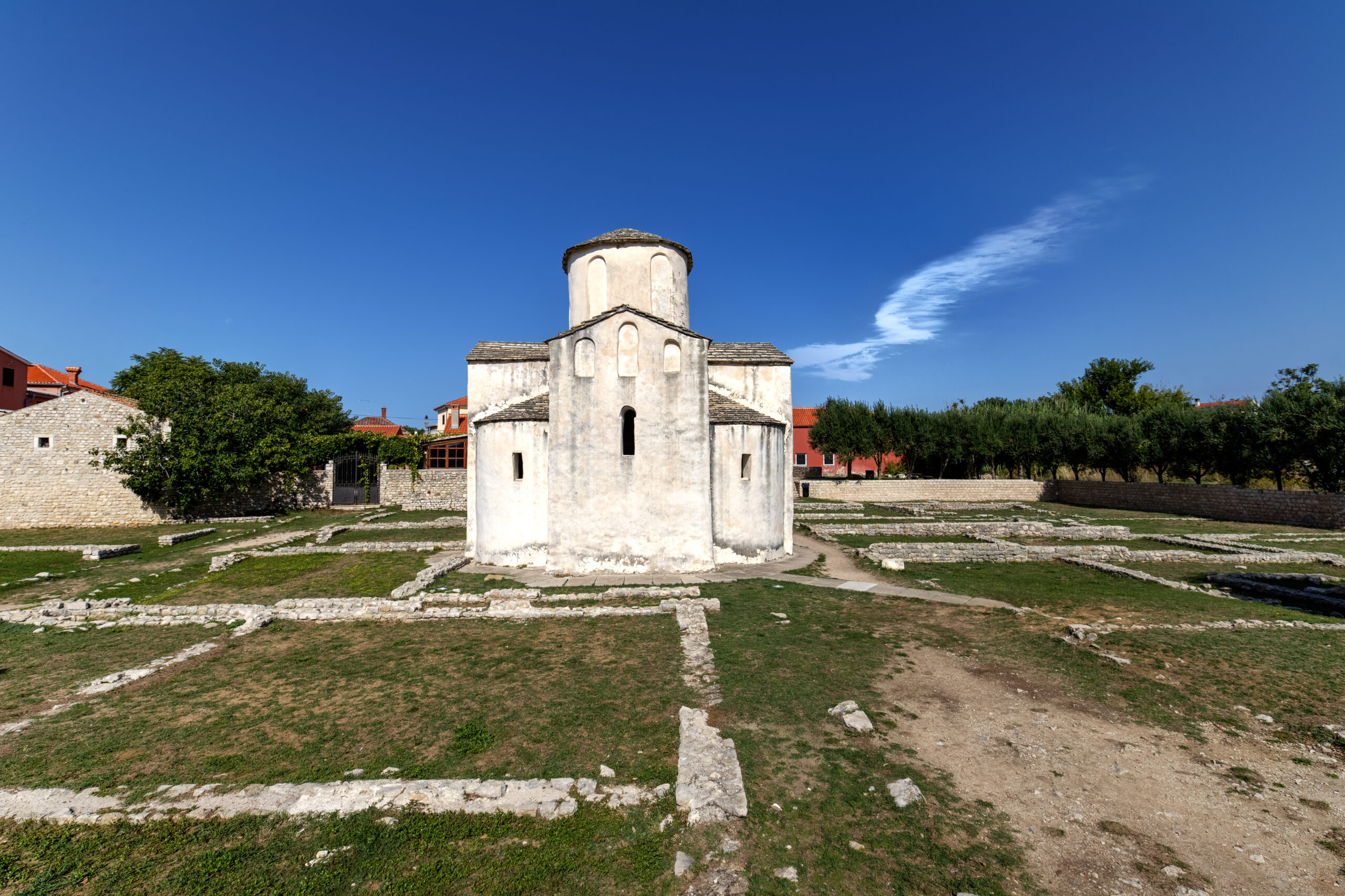
Church of the Holy Cross of Nin, a free thematic image that does not reproduce the holy myron. Photo: Paula Borkovic, CC BY-SA 4.0, Wikimedia Commons.