
Bless willow branches that replace the palm in the north, kept behind icons as protection of the home.
Documented history and memory received
As in the cold regions of northern and eastern Europe no palm trees grow, the Eastern Church (and also many communities in central Europe) adopted for Palm Sunday the wept willow branches or the willow yolks (verba), first to sprout in spring, symbol of new life. After being blessed with incense and prayer, the faithful take them home and place them intertwined behind the icons of the prayer corner all year round, to ask for the protection of the house from storms, fires and family discords. When the new blessing comes, the old ones burn with respect. It is a sacramental very rooted in Russia, Ukraine and Poland.
Who venerates the memory
The look is directed to Jesus Christ and to the mystery of his Incarnation, Passion, Death, Resurrection or Reign. The image, relic, monument or custom does not act by its own power: it serves the memory of the Gospel and leads to prayer, sacraments, conversion and charity.
History, tradition and discernment
Extended and not local Christian practice. The blessed willow is a religious sign, not an amulet or a guarantee against damage. The tab retains the memory received without turning legend, witness or believing interpretation into a historically demonstrated fact.
Celebration and devotional life
Festivity or main time: Palm Sunday.
No particular promises are documented. Devotion is not an automatic guarantee of protection, healing or prosperity.
Location on the map
The scoreboard points to Moscow (a representative marker of an extended practice) (Eastern Europe). Its approximate or representative character is declared not to pretend an exclusive point.
Main source
Patriarchate of Moscú. Contrast lettering with OpenStreetMap/Nominatim.
Para orar
Hosanna to the Son of David! Blessed is he who comes in the name of the Lord!
Image credit
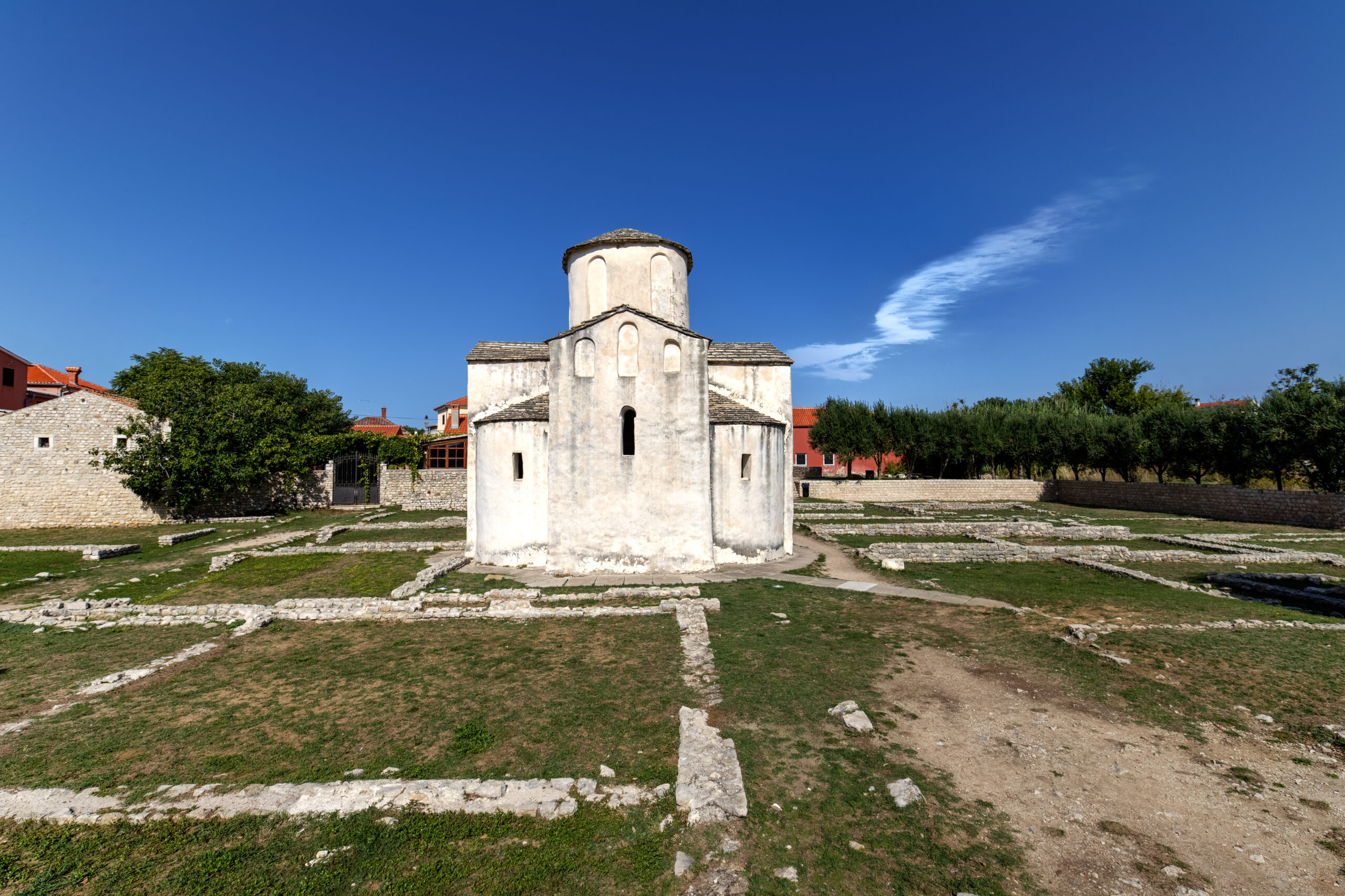
Church of the Santa Cruz de Nin, free theme image for Eastern Palm Sunday. Photo: Paula Borkovic, CC BY-SA 4.0, Wikimedia Commons.