
The size of olive wood is a trade of Christian families in Bethlehem. The cross is a devotional object of artisanal sustenance; its material has no automatic spiritual effectiveness.
Documented history and memory received
The olive wood craftsmanship supports many Christian families in Bethlehem and offers crosses, belens and rosaries to pilgrims. The wood symbolically refers to the land of Jesus, but it does not usually come from a tree historically linked to Him. The blessing of a cross is devoted to prayer; it does not turn the material into talisman.
Who venerates the memory
The look is directed to Jesus Christ and to the mystery of his Incarnation, Passion, Death, Resurrection or Reign. The image, relic, monument or custom does not act by its own power: it serves the memory of the Gospel and leads to prayer, sacraments, conversion and charity.
History, tradition and discernment
Christian crafts are economic and cultural reality. The origin of each piece must be credited by the seller; it is not claimed that all wood is old, local or miraculous. The tab retains the memory received without turning legend, witness or believing interpretation into a historically demonstrated fact.
Celebration and devotional life
Festivity or main time: without own liturgical date documented in the main source.
No particular promises are documented. The place, water, earth, cross, image or monument helps to remember the Gospel, but does not act as an amulet or guarantee protection, healing or favors.
Location on the map
The marker points to Bethlehem · representative artisanal marker (Palestine). Its approximate or representative character is declared not to pretend an exclusive point.
Main source
Latin Patriarchate of Jerusalem. Contrast lettering with OpenStreetMap/Nominatim.
Para orar
In your hands, Lord, I commend my spirit.
Image credit
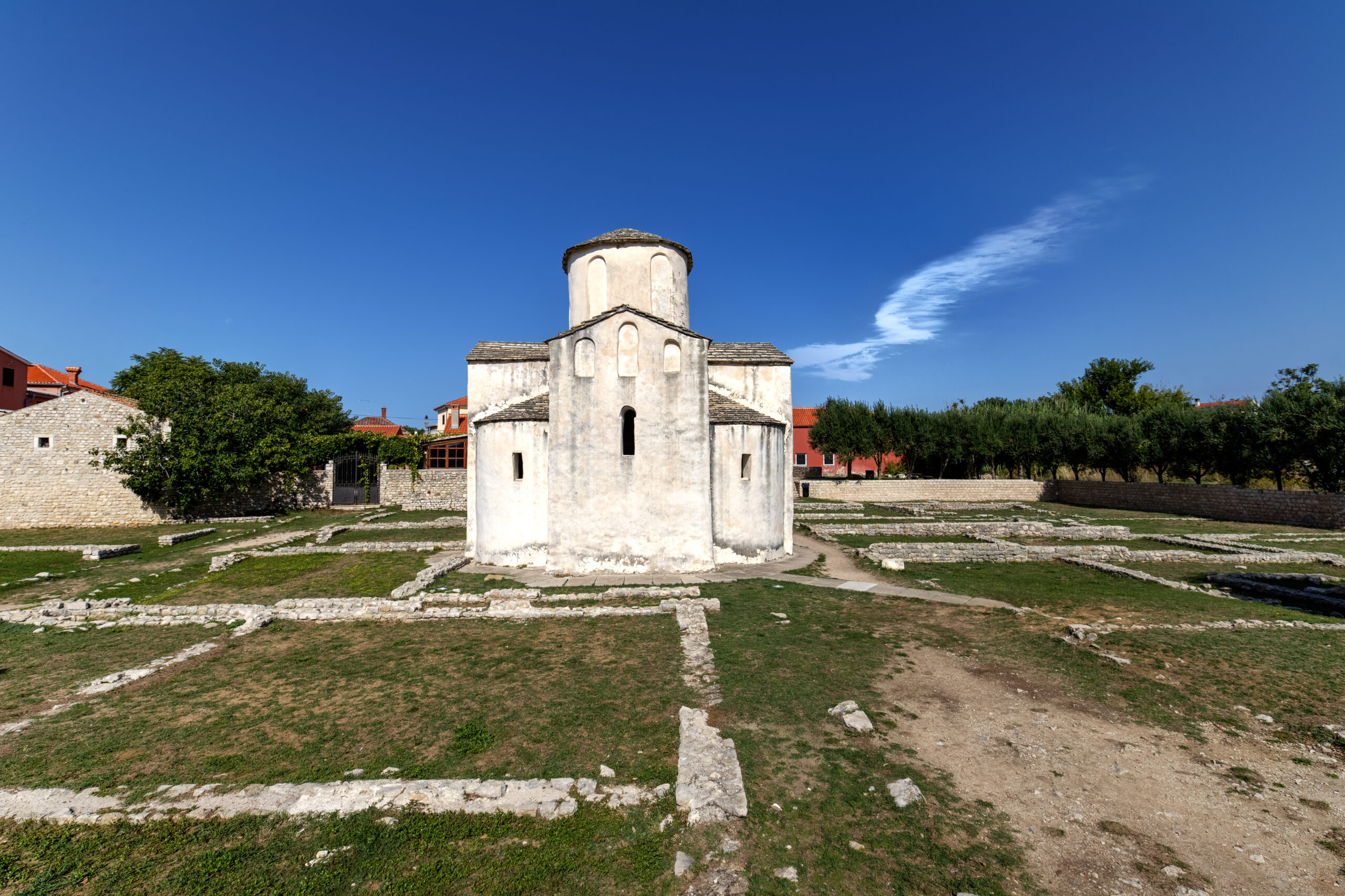
Church of the Holy Cross of Nin, a free thematic image that does not reproduce a cross of olive wood of Bethlehem. Photo: Paula Borkovic, CC BY-SA 4.0, Wikimedia Commons.