
A wax disc blessed by the Pope with the image of the Lamb of God, the ancient sacramental of protection and devotion.
Documented history and memory received
The wax Agnus Dei were blessed objects and distributed by pontiffs for centuries, usually with the figure of the Lamb of God. They are part of the history of Latin sacramentals. The custom stopped being practiced regularly in contemporary times. The preserved specimens are studied as devotional heritage; their blessing should never be interpreted as inherent physical power or as a substitute for the sacraments.
Who venerates the memory
The look is directed to Jesus Christ and to the mystery of his Incarnation, Passion, Death, Resurrection or Reign. The image, relic, monument or custom does not act by its own power: it serves the memory of the Gospel and leads to prayer, sacraments, conversion and charity.
History, tradition and discernment
Historical sacramental today not regularly blessed; the protection attributed to historical piety and is not an automatic effect. The tab retains the memory received without turning legend, witness or believing interpretation into a historically demonstrated fact.
Celebration and devotional life
Festivity or main time: without own liturgical date documented in the main source.
No automatic guarantee of protection, healing, salvation or favor is documented. Christian practice requires faith, conversion, sacraments and charity; no object acts as an amulet.
Location on the map
The marker points to St. Peter's Basilica · representative historical marker (Vatican City). Its approximate or representative character is declared not to pretend an exclusive point.
Main source
Holy See. Contrast lettering with OpenStreetMap/Nominatim.
Para orar
Lamb of God, who take away the sin of the world, have mercy on us and give us peace.
Image credit
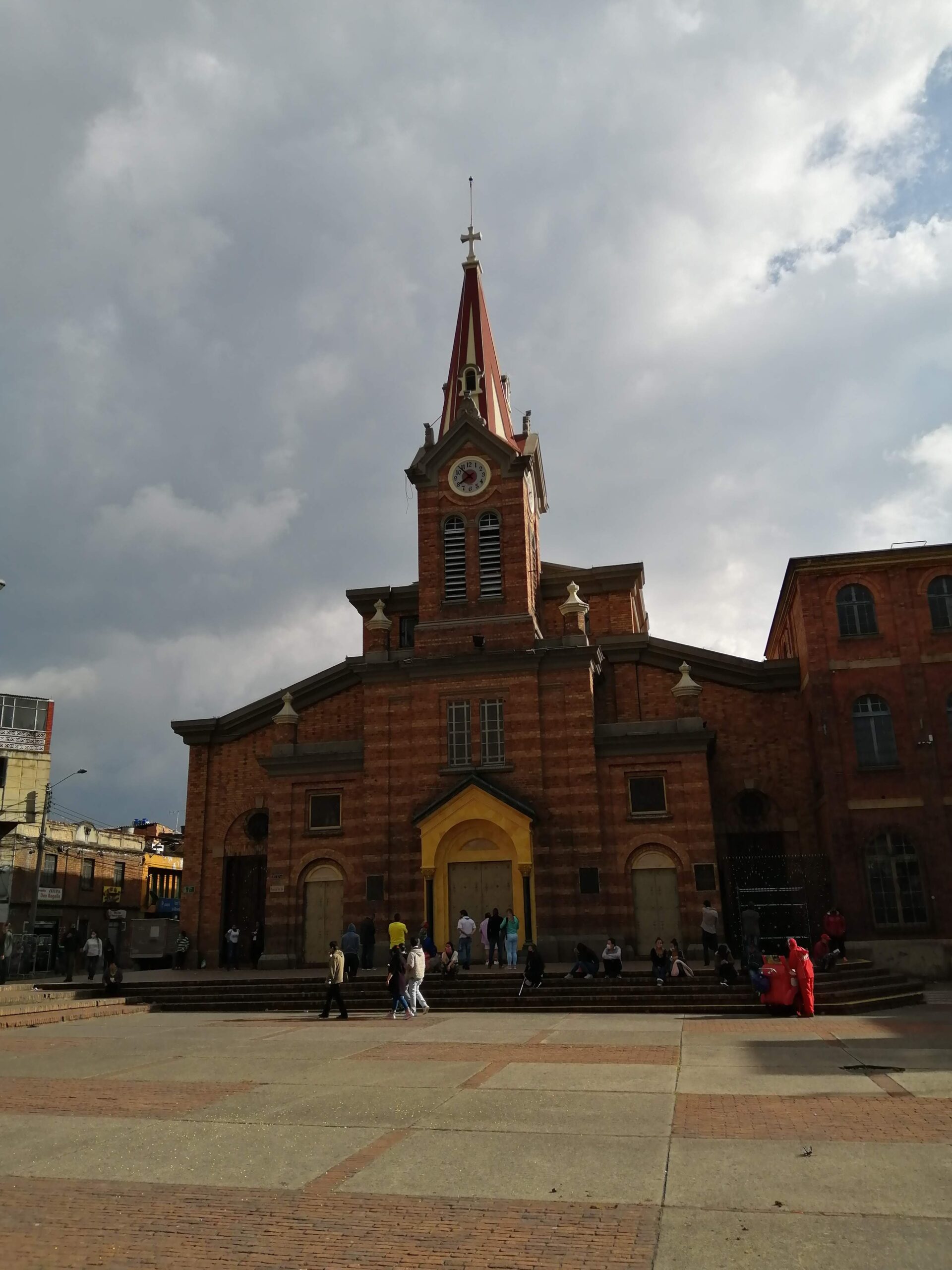
Sanctuary of the Divine Child Jesus in Bogotá, free thematic image that does not reproduce a pontifical Agnus Dei. Photo: Football, CC BY-SA 4.0, Wikimedia Commons.