
On June 6, 1453, a consecrated Hostia, stolen during a plunder and transported in a mule, rose alone in the air radiating light to the crowd.
Documented history and memory received
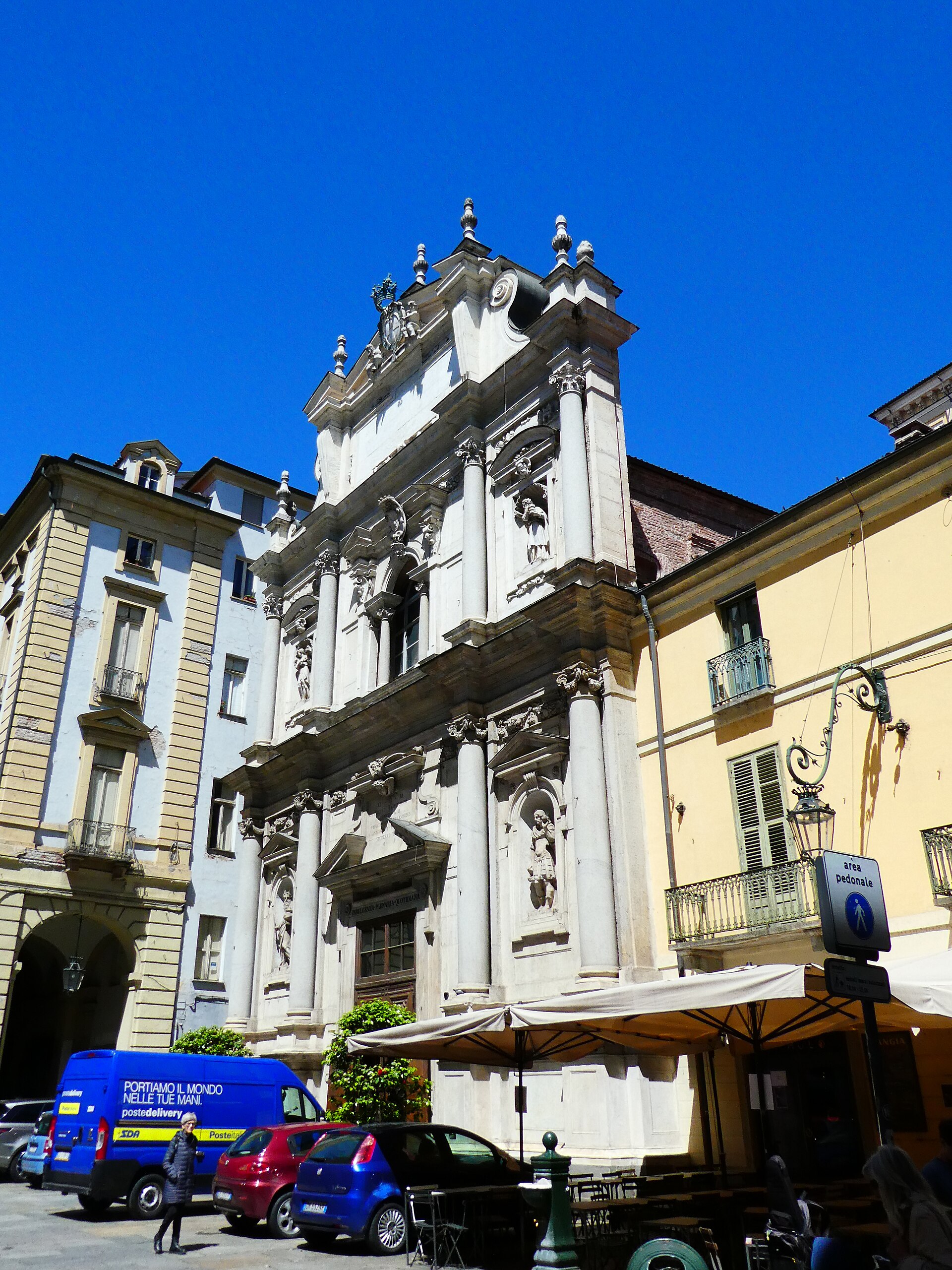
Turin retains civic and religious memory of an episode dated 1453: after a plunder, a mule fell into the city and a form would have been suspended until it went down to a chalice presented by the bishop. In the place was first raised a commemorative sign and then the church of Corpus Domini. Architecture and commemoration are historical facts; the prodigious elevation belongs to the chronicles and tradition. It does not present as a physical experiment.
Who venerates the memory
The look is directed to Jesus Christ and to the mystery of his Incarnation, Passion, Death, Resurrection or Reign. The image, relic, monument or custom does not act by its own power: it serves the memory of the Gospel and leads to prayer, sacraments, conversion and charity.
History, tradition and discernment
Civic-religious memory and temple; suspension of form according to chronicle and tradition. The tab retains the memory received without turning legend, witness or believing interpretation into a historically demonstrated fact.
Celebration and devotional life
Festivity or main time: June 6 (1453 anniversary).
No automatic promise or prodigy guarantee is documented. Veneration leads to Christ, the Eucharist, conversion, reparation, unity and charity.
Location on the map
The marker points to the Church of Corpus Domini · Turin (Italy). The coordinate was contrasted with open mapping and institutional identification of the place.
Main source
Turin City. Contrast lettering with OpenStreetMap/Nominatim.
Para orar
Blessed and praised be the Most Holy Sacrament of the altar.
Image credit
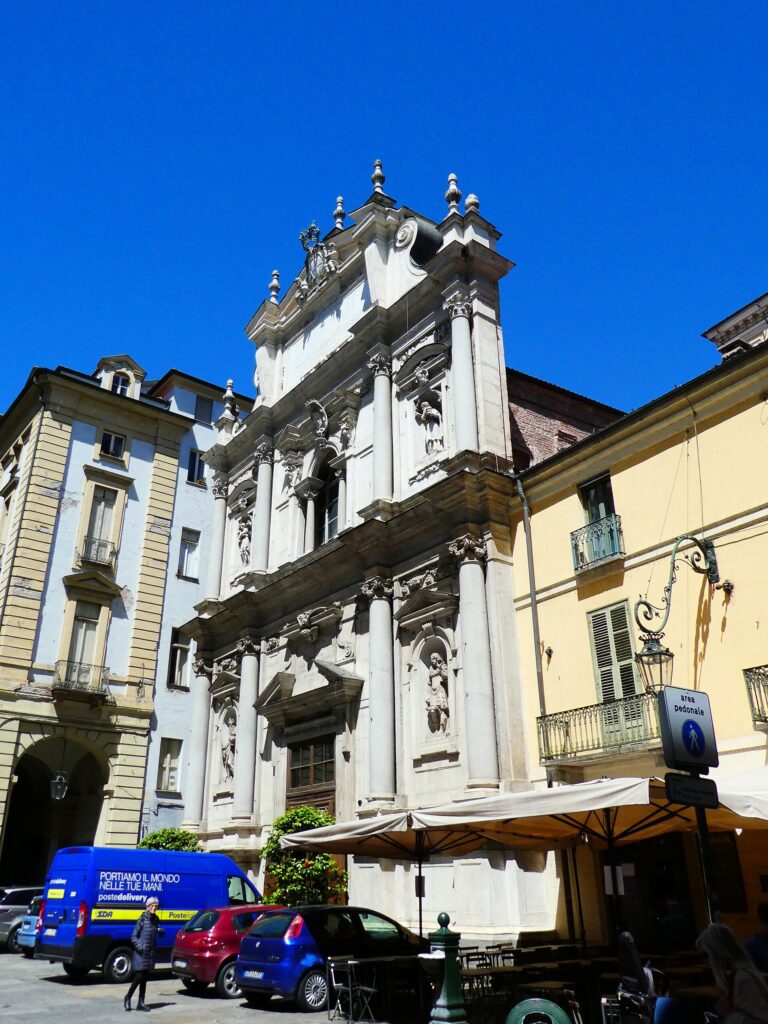
Fachada of the church of Corpus Domini of Turin, sanctuary raised in the place associated by tradition to the Eucharistic prodigy of 1453. This view replaces the previous thematic image of Nin, which did not represent Turin. Photo: Syrio, CC BY-SA 4.0, Wikimedia Commons.