
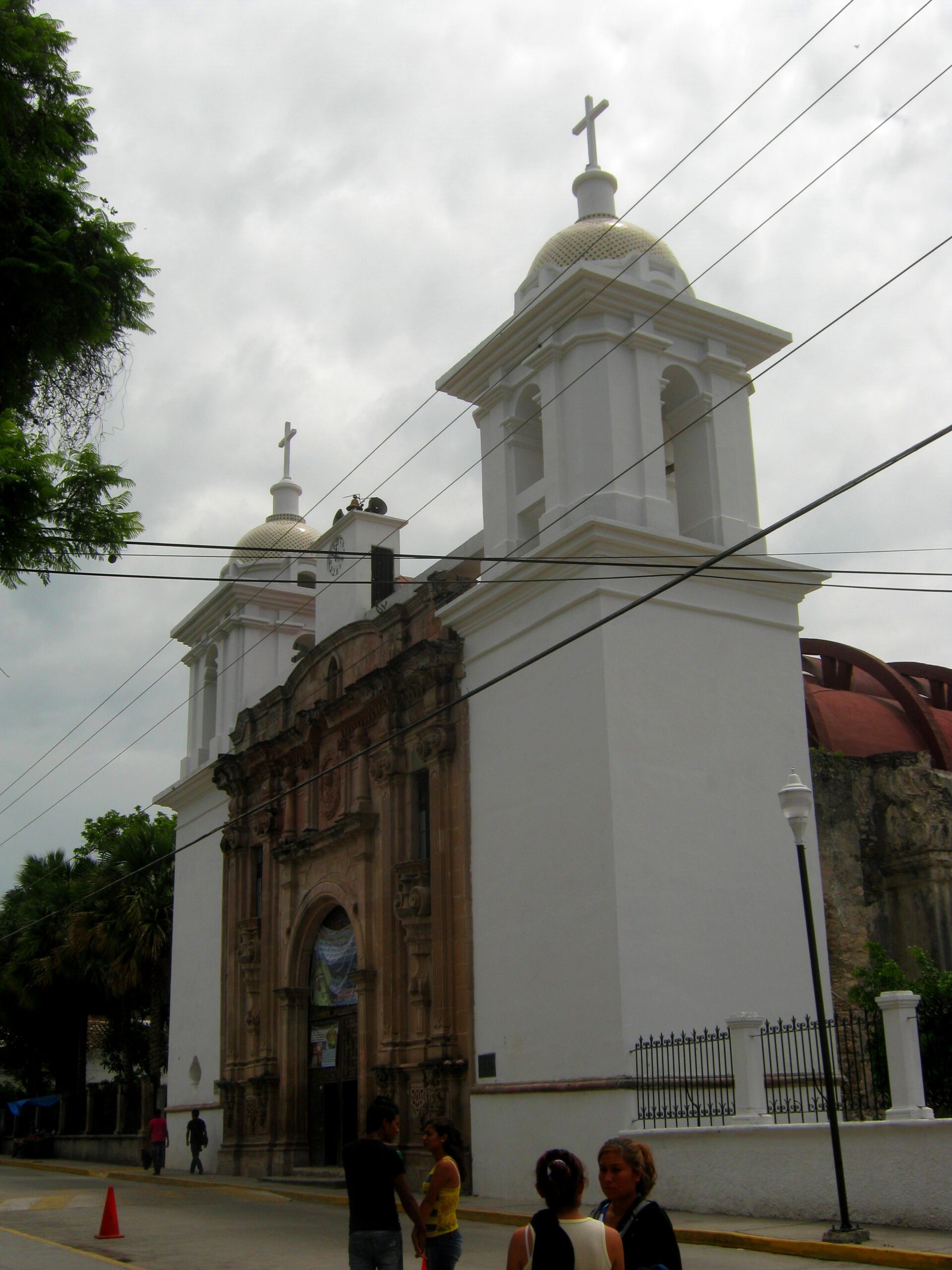
On 21 October 2006, during a mass in the parish of San Martín de Tours de Tixtla, a reddish substance was observed in a consecrated host. There was a favourable pastoral letter in 2013, but Bishop Salvador Rangel later explained that a new process was opened and that the final decision would be for the Holy See.
Qué ocurrió el 21 de octubre de 2006
Information published by From the faith places the beginning during a Mass held on the occasion of a retreat. A religious woman approached Father Leopoldo Roque, then parish priest of San Martín de Tours, to show him the Copon with the consecrated hostias. One of them observed a red substance.
The priest informed the bishop of Chilpancingo-Chilapa, Alejo Zavala. The diocese constituted a theological commission and promoted research on the sample. Since then, the case has spread internationally and began to be called "the Eucharistic miracle of Tixtla," a popular denomination that should not be confused with the final conclusion of a canonical procedure.
The analyses disseminated
The publications on Tixtla attribute the direction of certain studies to Dr. Ricardo Castañón. It has been reported that the substance was human blood, that it came from inside the host and that cardiac tissue was identified. The exhibition associated with San Carlo Acutis contains conclusions of this nature.
This fact sheet does not reproduce these claims as definitively validated scientific results. The full reports, chain of custody, sampling protocols, participating laboratories and peer-reviewed publications have not been directly examined. A journalistic or catechetical synthesis does not replace the technical documentation needed to evaluate an analysis.
The pastoral letter of 2013
On October 12, 2013, Bishop Alejo Zavala announced through a pastoral letter a favourable recognition of the event. That decision explains that many pages claim that Tixtla was "approved." However, subsequent administrative history does not stop in that letter as if it were the last word.
When Salvador Rangel assumed the diocese in 2015, he decided to deepen the case. According to his interview, he asked for guidance to the then Congregation for the Doctrine of the Faith. Rome indicated that a diocesan process should be initiated and used the expression "pretended Eucharistic phenomenon of Tixtla" as the discernment was completed.
The new procedure explained by the bishop
Rangel noted the creation of three commissions: historical, theological and scientific. At the time of their statements, the scientific phase was still open. After the diocesan phase had been completed, the file should be referred to Rome for further consideration and a subsequent decision.
For this reason, the question holder of From the faith is answered with caution: there was a favourable diocesan performance in 2013, but the process was not completed according to the later bishop. A more recent institutional communication declaring the procedure completed has not been located during this review.
Why do not you call yourself ‘milagro aprobado’
The term "miracle approved by the Church" would erase the difference between the 2013 letter and the new process requested later. It would also imply that there is a final decision of the Holy See that has not been found. The fact sheet uses "Eucharistic phenomenon" because it better reflects the available documentary state.
Prudence does not deny faith or ridicule those who worship the Eucharist. It protects the faithful from exaggerated claims and allows ecclesial authority to realize its discernment without pressure. If a subsequent resolution is published, the state must be updated and linked to its original document.
Science, chain of custody and limits
In a material phenomenon, reliability depends on how the sample was collected, preserved and moved; who had access; what methods were used; and whether other specialists could review the data. Without this complete information it is not responsible to convert phrases such as "living tissue" or "blood from the inside" into undisputed scientific certainties.
The page retains the conclusions disseminated as part of the history of the case, but notes what is missing. Nor does it establish automatic comparisons with Lanciano, Buenos Aires, the Holy Sheet or other objects, as the reported similarities require independent documentation to have probative value.
The Eucharist and the teaching of the Church
Bishop Rangel himself recalled an essential distinction: no one is obliged to believe in a particular miracle, while the Catholic faith confesses to Jesus Christ present in the Eucharist. The truth of the Sacrament does not depend on whether or not Tixtla receives a supernatural statement.
This perspective returns attention to mass, dignified communion, worship and charity. An extraordinary sign never makes the host an object of curiosity or replaces conversion. The spiritual fruit must be measured in reverence, reconciliation and service to others.
World map classification
Tixtla is incorporated as "contemporary Eucharistic phenomenon with a process without localized conclusion." The category reports that there is widespread ecclesial and material research, but not a verified final decision. The map does not use the "approved" adjective.
Location and visit
Parish of San Martín de Tours, Tixtla de Guerrero, Mexico. The marker uses coordinates 17.5668672, -99.3968720 and points to the building identified by the sources. It is appropriate to consult directly with the parish or the diocese the hours, access and any rule on veneration.
Spiritual feeling
Tixtla invites you to look at the Eucharist with faith and responsibility. Discerning does not mean putting out devotion: it means loving the truth, waiting for the decision of the Church and preventing the search for phenomena from replacing the encounter with Christ.
Before the Heart of Jesus we remember those who suffer violence and poverty in Guerrero and throughout Mexico. Adoration becomes authentic when it moves to protect life, build peace and accompany the victims.
Sources consulted
- From the faith: state of procedure explained by Bishop Salvador Rangel, main journalistic ecclesial source.
- ACI Press: complementary explanation of the process.
- International exhibition associated with San Carlo Acutis: Tixtla, the source of diffusion which is contrasted.
Para orar
Lord Jesus, present in the Eucharist, give us love for the truth, patience to discern and humility to obey your Church. May our worship produce reconciliation, justice and peace. Amen.
Image credit
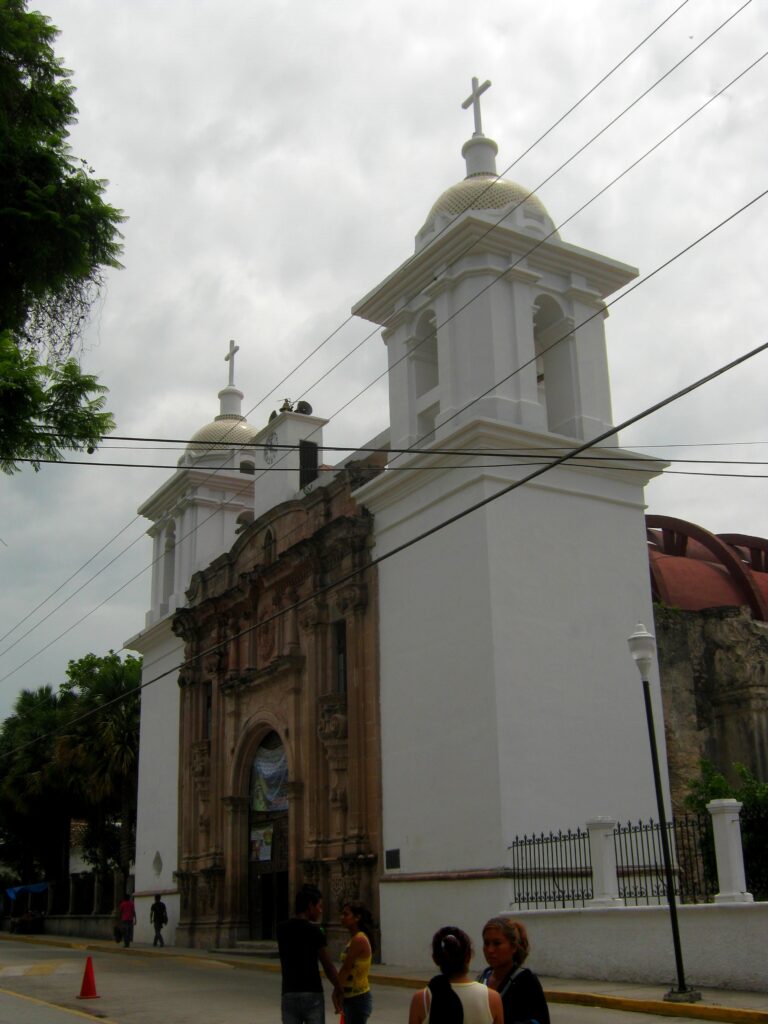
Parroquia de San Martín de Tours de Tixtla. Kelbraer / Wikimedia Commons, CC BY-SA 4.0. File and license in Wikimedia Commons.
