
The Diocese of Tumaco retains the memory of January 31, 1906, when a procession with the Most Holy Sacrament came to the coast after an earthquake and, according to the testimony transmitted, a great wave went back after the blessing of the Augustan priest recollected Gerardo Larrondo.
The earthquake and the withdrawal from the sea
The narrative published by the Diocese of Tumaco places the beginning at 10: 36 in the morning of January 31, 1906. A strong earthquake shook the Pacific coast and caused population panic. After the tremor, the sea withdrew alarmingly, a sign that today is recognized as characteristic of certain tsunamis and that caused fear of the return of a destructive wave.
The inhabitants sought spiritual help in the Augustan missionaries who attended the parish. The diocesan sources name the parents Gerardo Larrondo and Julián Moreno. The first took a great consecrated form, kept in the copon, and went out with the Most Holy Sacrament to the shore accompanied by the community. The scene belongs to a real emergency: scared people, an exposed coastal population and priests who responded with public prayer.
Blessing to the wave
According to the memory transmitted, when a wave of high height was approaching, Father Larrondo advanced with the holy host and drew with it the sign of the cross over the sea. The wave would have lost strength and retreated without destroying the urban core. The population interpreted that preservation as an intervention by God linked to the Eucharistic presence and began to commemorate it.
This fact sheet retains the way the local Church reports the event: it does not claim that the host changed matter or that there is an associated physical relic. The Eucharistic element is the blessing given to the Most Holy during the danger and protection that the witnesses attributed to that gesture of faith.
What can be proven and what belongs to the faith
The earthquake and tsunami of 1906 are part of the seismic history of the Colombian-Ecuadorian coast. The receipt of the account by the diocese, its continued transmission and the current celebrations are also verifiable. The interpretation that the blessing stopped the wave belongs to the religious testimony preserved by the community; it cannot be verified today by a contemporary instrumental measurement at the moment narrated.
Distinguishing both planes does not cool devotion. On the contrary, it allows it to be told with truth: there was a natural catastrophe, there was a pastoral Eucharistic response and the community read its survival as grace. Faith does not need to disguise that reading of scientific experiment, and historical prudence does not force a living diocesan memory to be silenced.
A diocesan memory that is still alive
The Diocese of Tumaco has maintained the commemoration and publicly presents the event as a Eucharistic miracle. In 2026, when he was one hundred and twenty years old, he called for a diocesan retirement year. The celebration of January 31 included the Eucharist and a long day of worship, showing that the present center is not the curiosity for a wave, but Jesus Christ present in the Sacrament.
The continuity of the celebration is a relevant ecclesial fact. He claims that the story is not a recent imported anecdote, but part of Tumaco's pastoral identity. However, a diocesan commemoration should not automatically become the claim that there is a formal decree of recognition: until that document is located, the fact sheet describes exactly what is published and in force.
The contribution of the collection of Carlo Acutis
The international exhibition promoted by San Carlo Acutis spread the case of Tumaco and made it easier for people from other countries to know the tradition. His record serves as a starting point and a testimony of dissemination, but the research of this page prioritizes the source of the diocese itself and contrasts the validity of the cult with current publications.
This method applies to the entire world map: the Acutis collection guides the search; each case is identified with local sources, location, documentary category and explicit limits. This is the honour of his work without being acritically copied or confused by a catechetical exhibition with a scientific archive or an ecclesiastical decree.
World map classification
Tumaco is incorporated as "prodigy of Eucharistic protection with current diocesan memory." It differs from the material transformations preserved, from the host of modern studies and from traditions that lack verifiable local veneration. The marker represents the city of San Andrés de Tumaco, not an exact beach.
Responsible location
San Andrés de Tumaco, department of Nariño, Colombia. The map uses the representative coordinates 1.8062887, -78.7649814. The sources consulted place the procession on the coast, but do not provide a sufficiently precise historical geographical point. This is why the episode is not attributed to the Playa del Bajito or to another concrete contemporary beach.
Anyone who wishes to participate in the commemoration must consult directly with the Diocese of Tumaco the dates, temples and conditions of visit. The coast is also an area exposed to seismic risk: devotion never replaces official indications of tsunami prevention, evacuation and security.
Spiritual feeling
The memory of Tumaco invites us to come to Christ in anguish and to recognize that the Eucharist leads to the care of life. The procession is not a magical rite to control nature; it expresses the confidence of a community that, in the midst of fear, gathered around the Lord and found strength to face danger.
It also calls for concrete solidarity with coastal peoples and those suffering from earthquakes, floods or displacement. Eucharistic worship reaches its fullness when it educates to serve, prevent harm, accompany victims and rebuild fraternity.
Sources consulted
- Diocese of Tumaco: brief history of the Eucharistic miracle, main local ecclesial source.
- Diocese of Tumaco: celebration of the 120th anniversary and Jubilee year, current pastoral reception.
- ACI Press: commemoration of the 120 years in 2026supplementary information on the acts.
- International exhibition associated with San Carlo Acutis, punto de partiada empensido a contrast.
Para orar
Lord Jesus, present in the Eucharist, remains with those who tremble in the face of danger. Give us prudence to protect life, faith not to despair and charity to help those who suffer. Make our communities shelters of prayer, truth and service. Amen.
Image credit
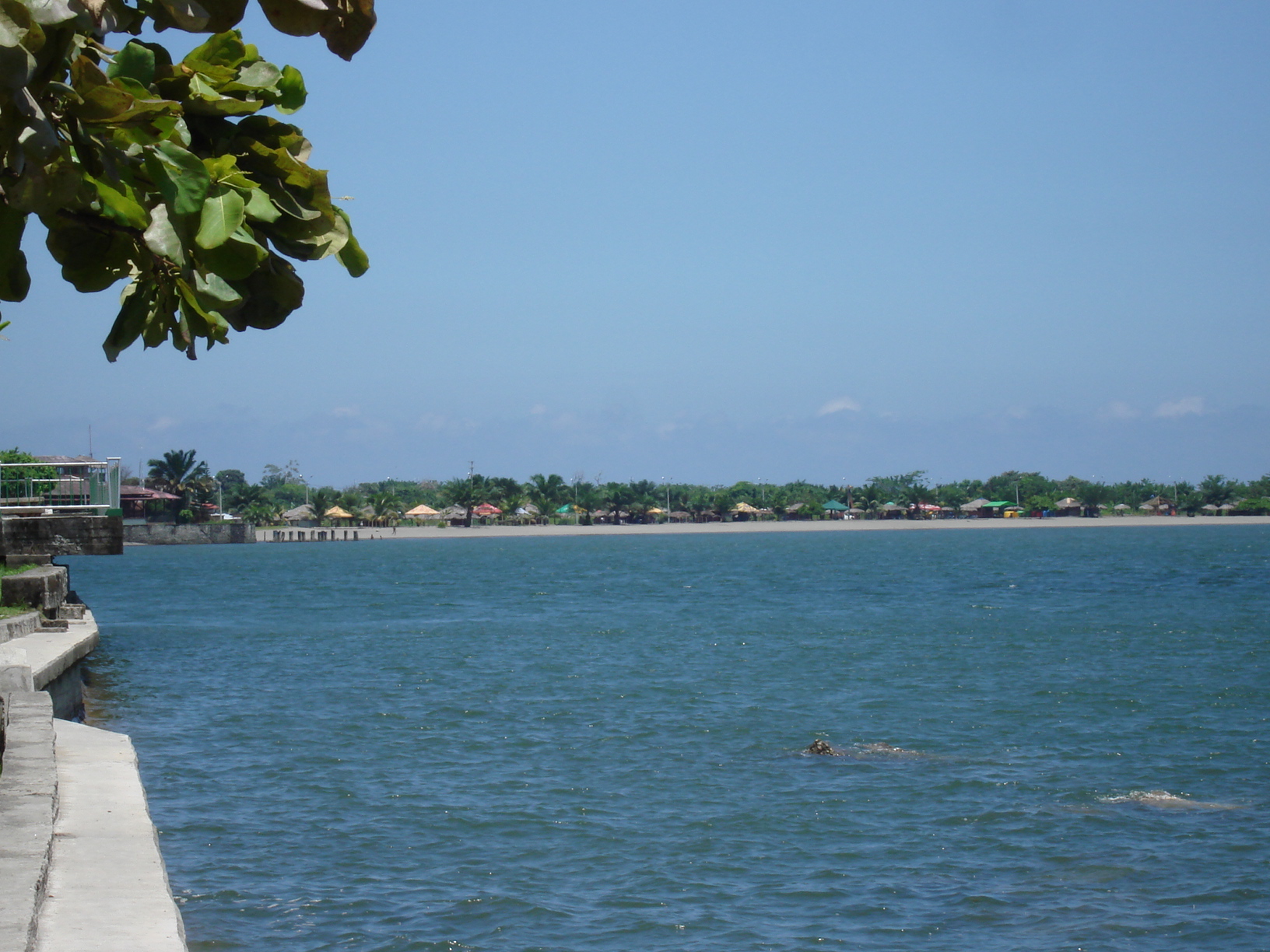
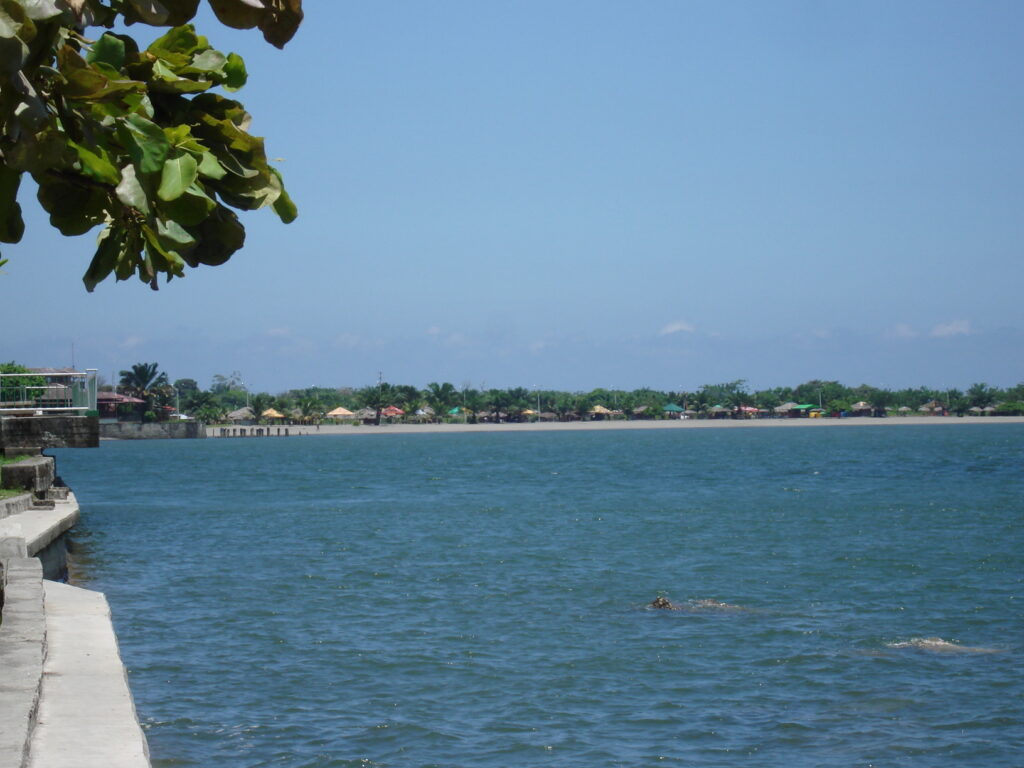
Playa del Bajito in Tumaco. The Tobias / Wikimedia Commons, CC0 1.0. File and license in Wikimedia Commons.
