
_49.JPG)
In 1338 it burned the hospital located next to the corner of Voorstraat and Visstraat, in Dordrecht. Local memory tells that a baker managed to take custody of the Blessed Sacrament from the flames, although he lost his life in the rescue. From that fire was born an urban Eucharistic cult that lasted more than two centuries and left an abundant mark on accounts, processions and votive practices.
The hospital fire in 1338
The historical inventory of Meertens / KNAW pilgrimages corrects repeated confusion for a long time. The episode did not begin with the great fire of the city of 1457, but with the particular fire of the hospital in 1338. The establishment is already mentioned in documents of 1284-1285 and was next to the Franciscan convent.
The venerated object was the Most Holy Sacrament, guarded in a piece of silver within a chapel of the hospital. The account of the rescue expresses the medieval reverence to the Eucharist and the surrender of the man who entered the building. The sources make it possible to document the subsequent cult; they do not allow the physical reconstruction of custody or subject the alleged prodigy to a modern examination.
The great procession of Dordrecht
In 1429, Zweder van Culemborg, then pretended to the episcopal headquarters of Utrecht and resident in Dordrecht, established an annual procession and granted a indulgence. The celebration ended up known as the Great Procession to distinguish it from another comitiva established after the urban fire of 1457.
The procession was held around the feast of Saint Mary Magdalene. Authorities, guilds and other bodies of the city participated; the singers of the Grotte Kerk supported liturgical music. The municipal archive retains numerous notes and rules about the organization, a sign that it was not a late-reconstructed tradition, but a well-established civic and religious practice.
Opposes and assistance to the poor
The accounts of 1466 and 1467 mention persons who were weighed to deliver an equivalent amount of cereal, wine or other property as an offering. During the great procession a significant part of the annual income of the cult was received. The union between hospital, cemetery of the poor, alms and veneration recalls that medieval Eucharistic piety was intertwined with social assistance, although some subsequent narrations of incorrupting bodies belong to the hagiographic realm and should not be presented as proven facts.
The end of veneration in 1572
The Reformation ended the pilgrimage. In 1572 the chapel was stripped of the Catholic elements and the venerated object disappeared. There is no current continuity of that Eucharistic procession or a preserved relic. The Glot Kerk continues as a Protestant temple and the corner of the old hospital is part of a transformed city; these current buildings should not be presented as an existing Catholic sanctuary.
The Eucharistic faith does not depend on a prodigy
The real presence of Christ in the Eucharist belongs to the sacramental celebration of the Church and does not depend on accepting an extraordinary account. A historical memory can help to understand the devotion of a time, but it does not replace mass, worship, reconciliation, ecclesial communion and charity. This fact sheet therefore distinguishes the documents preserved, the medieval religious interpretation and what can no longer be verified.
Sources and historical location
- Meertens/KNAW: Dordrecht, Heiligenig Sacrament, historical inventory with topography, sources and chronology.
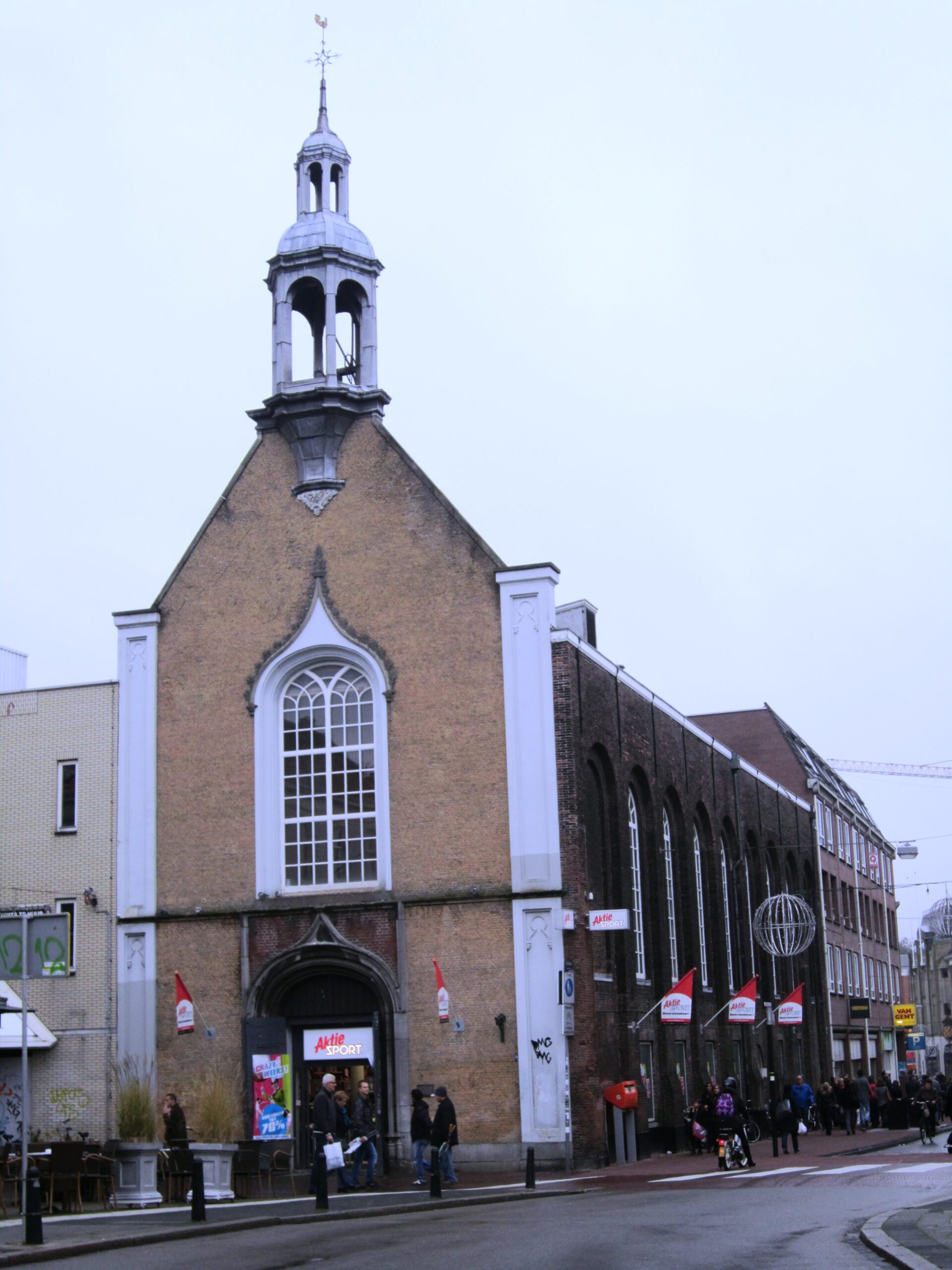
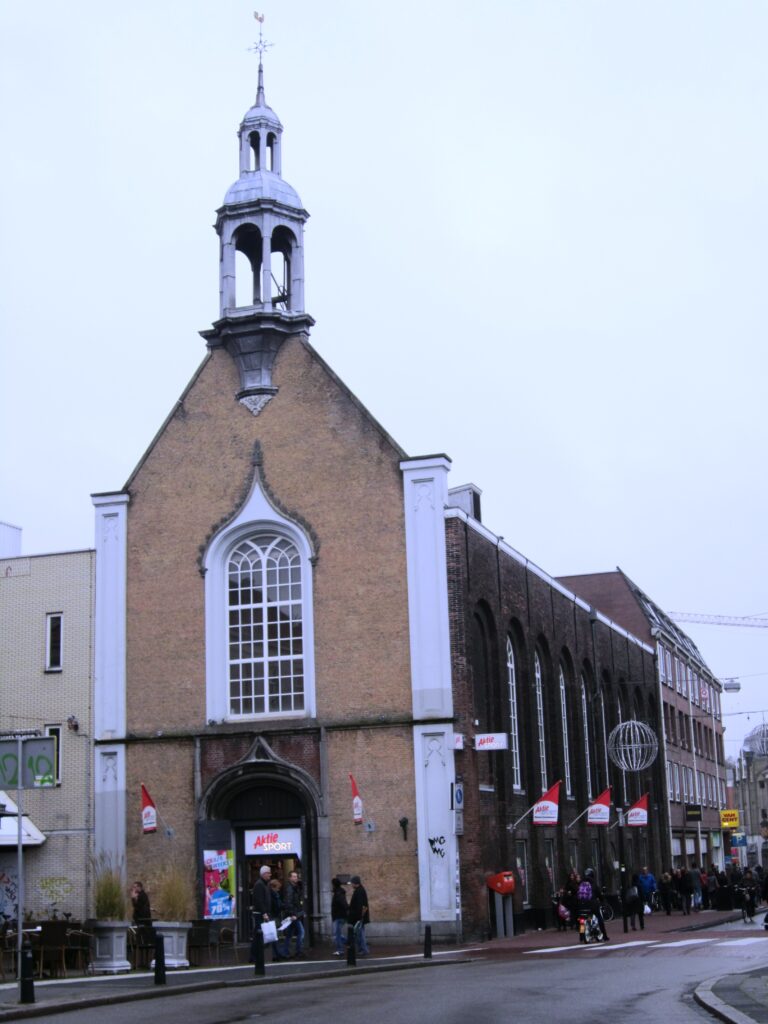
- Esquina actual de Voorstraat y Visstraat.
Approximate location of the old H. Sacramentsgasthuis: corner of Voorstraat and Visstraat, Dordrecht. The medieval hospital and chapel are not preserved as a Catholic pilgrimage.
Prayer
Lord Jesus, live bread, teach us to recognize you with reverence and to serve you in those who suffer. Receive the memory of those who risked their lives for others and make our worship humble charity, prudence and peace. Amen.