
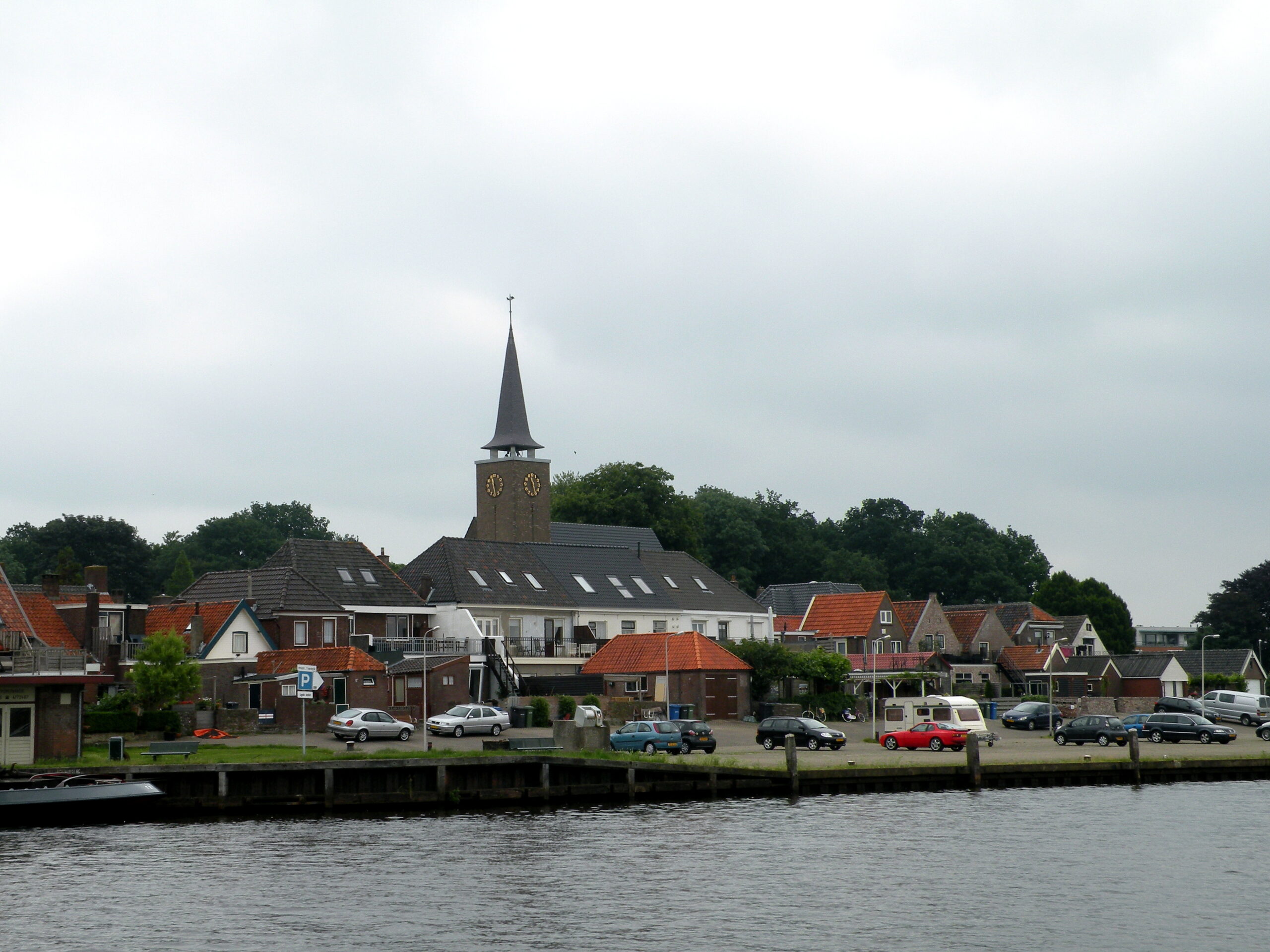

Hasselt, in Overijssel, retains a medieval Eucharistic memory whose history requires the separation of documents, worship and legend. The existence of a chapel of the Sacrament and a pilgrimage has been confirmed since 1355; instead, the supposed miracle that would have originated the cult appears clearly formulated many centuries later.
As documented since 1355
The academic inventory of pilgrimages of the Meertens / KNAW Institute records a sacramental chapel, an episcopal indulgence and a devotional practice organized in the mid-14th century. These data show that Hasselt was a place of medieval Eucharistic veneration and that the cult had institutional recognition.
The Reformation profoundly altered the religious landscape. The ancient church moved on to the reformed cult and the Catholic continuity took other forms. The current Catholic church of St. Stephen and the space known as Heilige Stede preserve local memory, with Eucharistic celebration and procession on a smaller scale.
A legend of late origin
From the end of the 19th century it was spread that the cult was born of a miraculous host or of a concrete medieval episode. Meertens points out that this reconstruction combines conjectures and an old story that cannot be demonstrated for Hasselt. Nor is it known with certainty what the original object of veneration was.
For this reason, a "miracle" date is not assigned to the case and a preserved host is not said to exist. The date 1355 corresponds to the safe documentary beginning of the cult, not to a proven material transformation. This caution allows respect for devotion without making historical certainty.
Two churches that should not be confused
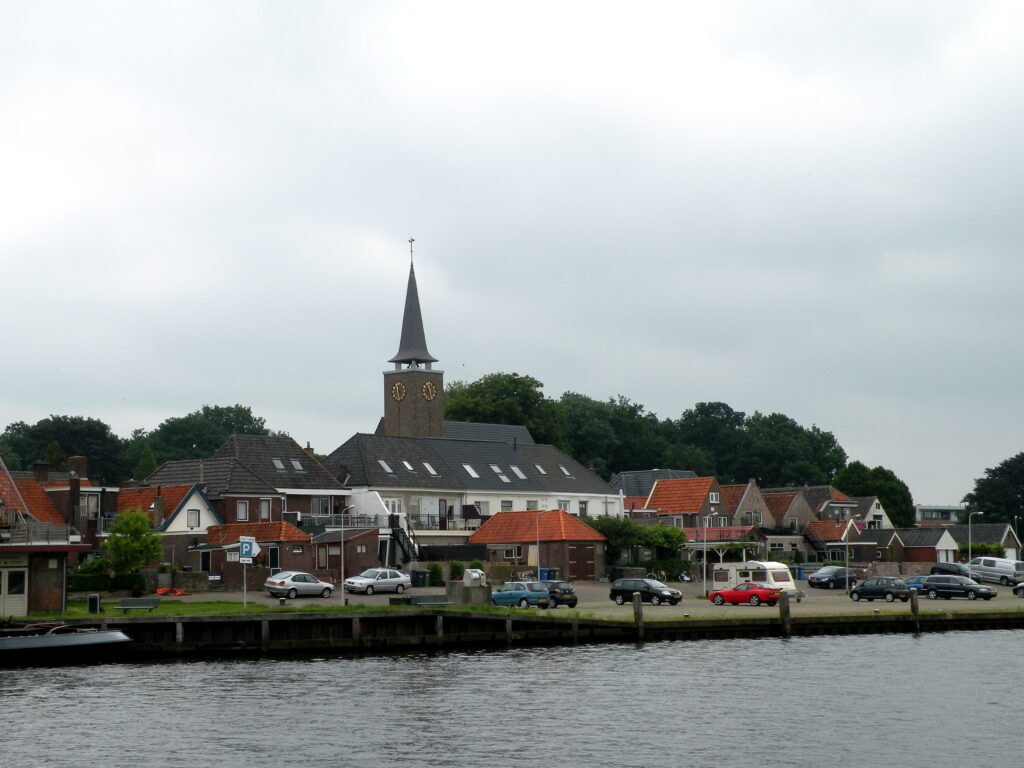
The Grotto or Synt-Stephanuskerk is the great medieval temple that today belongs to the Protestant tradition. The Catholic Church of St. Stephen, located in Eiland, is another building and is linked to the Catholic continuity and the garden of the Heilige Stede. The chosen photograph and the marker correspond to the relevant Catholic set, not to the great reformed temple.
Current memory value
Hasselt's interest is in showing how a pilgrimage can have a secure institutional basis and, at the same time, a uncertain later legendary explanation. The current procession and celebration testify religious continuity, but they do not retrospectively turn the legend into a medieval document.
The Eucharist does not depend on extraordinary phenomena
The Catholic faith in the real presence of Christ comes from the sacramental celebration of the Church, not from accepting a local legend or prodigy. These memories make sense when they lead to mass, worship, reconciliation, ecclesial communion and the service of the needy. The map therefore distinguishes between material transformation, historical tradition, current worship and undemonstrated statements.
Sources and location
- Meertens/KNAW: inventario de peregrinaciones de Hasselt, documentation and historical criticism.
- Cartography of the Catholic Set.
Catholic Church of St. Stephen and Heilige Stede, Hasselt, Overijssel, Netherlands. Documentary coordinates: 52.5890014, 6.0933436.
Prayer
Lord Jesus, truth and food of your people, teach us to unite devotion and honesty. Purify our memory, keep the good received and have your table bring us together in humility, charity and peace. Amen.