

In the week after Palm Sunday of 1482 or 1483, a thief removed from a church near Aduard two chalices, one Eucharistic vessel and three consecrated forms. He threw the glasses into a ditch and buried the shapes, wrapped in linen, near Helpman. After their confession they were recovered and solemnly transferred to the church of San Martín de Groningen. The site of the find became known as the Heilige Stede, the "holy stay."
An episode backed by early sources
Helpman's story does not depend only on a legend written centuries later. The Meertens / KNAW inventory contains economic and legal documents very close to the facts. On November 12, 1483, two parish priests consulted a professor of canon law in Cologne about who should receive the income of devotion. Although the record with the response has not appeared, the accounts of 1484 and 1485 already mention entries from the "Hillighe Stede."
This documentation shows that there was an organized place of worship. It does not, however, demonstrate a material transformation of the forms, nor does it authorize the addition of blood, meat or other elements absent from the sources. The core of the story is the sacrilege, the repentance, the finding and the reverent restitution of the Most Holy.
The capillary junto to the lazareto antiguo
The Heilige Stede was located east of Hereweg, near the leper hospital or Jurgenspasthuis, when Helpman was still a village south of Groningen. At the point of the finding a chapel was raised where the Most Holy received particular veneration. The forms are likely to be carried there later, although the historical source presents this transfer as likely and not as certainty.
In 1495 Helpman appeared, along with Wilsnack, Amersfoort and Hasselt, as the destination of a penitential pilgrimage imposed in Kampen. It is a concrete sign of the local regional fame. References to processions and prayer days continue during the 16th century.
Persistence and disappearance
The Reformation disarticulated the Catholic framework, but news from 1643 indicates that there were still meetings associated with the Heilige Stede. Later texts describe marches of orphans to Helpman; researchers warn that it cannot be known if they were a continuity of Eucharistic devotion or a memory of the links between care institutions.
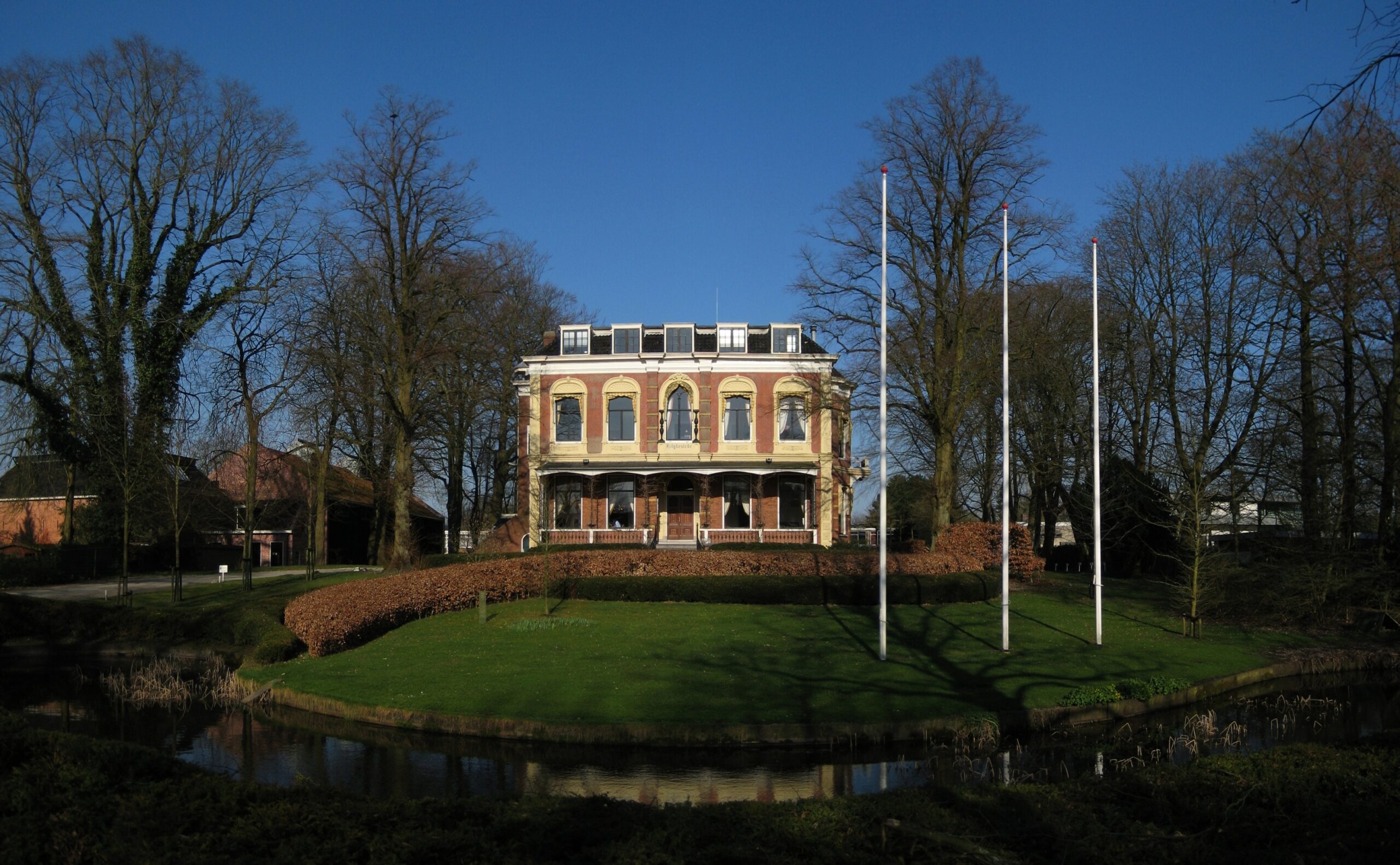
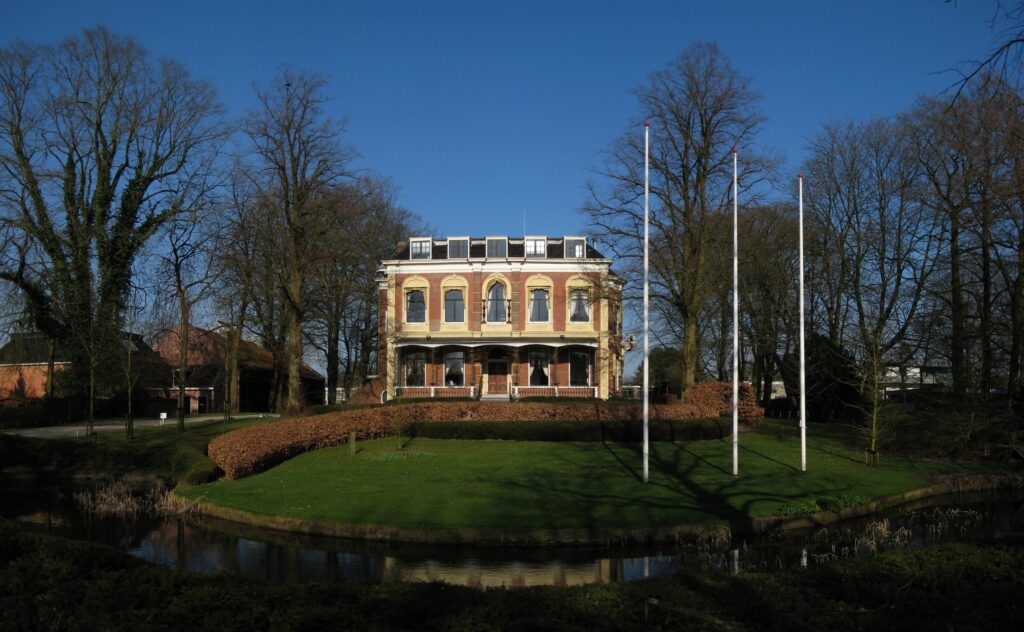
The chapel disappeared, the forms are not preserved and there is no continuing Eucharistic pilgrimage today. A villa built in 1895, in Verlengde Hereweg 174, retains the name "Hilghestede." This name helps to locate the memory of the landscape, but the building is not the medieval chapel or a Catholic sanctuary.
A memory that calls for precision
Helpman allows you to contemplate a medieval devotion with an unusually close documentary basis, without confusing documentation with scientific demonstration or artificially restoring an extinct cult. The reverence to stolen and recovered forms can be read today as a call to repair all desecration through faith, truth and respect.
The Eucharistic faith does not depend on a prodigy
The real presence of Christ in the Eucharist belongs to the sacramental celebration of the Church and does not depend on accepting an extraordinary account. A historical memory can help to understand the devotion of a time, but it does not replace mass, worship, reconciliation, ecclesial communion and charity. This fact sheet therefore distinguishes the documents preserved, the medieval religious interpretation and what can no longer be verified.
Sources and historical location
- Meertens/KNAW: Helpman, Holy Sacrament, historical inventory with contemporary sources and critical of continuity.
- Universidad de Groningen: Helpman, Holy Sacrament, academic bibliographic reference.
- Villa Hilghestede in current cartography.
Referencia memorial: Hilghestede, Extended Hereweg 174, Groningen. The point conserves the toponym; it does not identify the chapel with archaeological precision and should not be treated as an existing sanctuary.
Prayer
Jesus the Eucharist, return to your friendship as much as sin scatters. Give us sincere repentance, respect for the holy and restorative heart. May the memory of the past lead us to the truth, to communion and to the care of every injured person. Amen.