

In 1502 they were stolen from a church in Groningen a custody or a silver copon and several consecrated forms. The forms later appeared in a ditch near Solword, east of Appingedam. In that place a well was excavated and a chapel, known as Heilige Stede, was erected that attracted pilgrims for more than a century.
The oldest testimony
A chronicle of Eastern Frisia dates the episode in 1502 and states that then a great pilgrimage "next to the Dam" arose. This near-fact news makes it possible to document the birth of the cult without relying exclusively on late accounts. The later versions speak of three ways that remained intact in the water, but it is not clear whether the forms themselves were exposed or played a stable role in devotion.
The material center of worship was the so-called well of forms. It was under the altar of a chapel built for veneration and from it water was extracted to which special properties were attributed. History belongs to the medieval religious horizon; there is no contemporary analysis of water or relic that allows a scientific judgment.
Chapel, pilgrims and income
Solword appears in 1510 as the place of the venerated Most Holy Sacrament. The influx generated donations and a dispute over the distribution of income between the churches of Groningen, Solwerd and Appingedam. In 1525 Pope Clement VII intervened confirming a distribution of the offerings. These documents prove the organization of the pilgrimage, although they do not in themselves constitute a declaration of the supernatural origin of the story.
The parish church burned in 1536 and the chapel assumed religious functions. After the final implementation of the Reformation in 1594, the place passed to Protestant veneration, but the population continued to seek water for decades. A gate was installed to prevent access and the well ended in 1682. The chapel was demolished in 1783.
A late indictment to be rejected
The older sources do not identify the thieves. In 1664 alone, more than a century and a half later, a missionary claimed that they had been Jews. The historical inventory itself states that this attribution is unlikely: the Jewish presence documented in Appingedam does not begin until 1563. The prosecution responds to a controversial motive repeated in medieval and modern accounts, not to an accredited historical data.
To preserve the Eucharistic memory also requires to repair the injustice of transmitting false collective guilt. No people can be accused of a sacrilege for their identity. Truth, human dignity and the rejection of anti-Semitism are part of the Christian care of memory.
What's left today
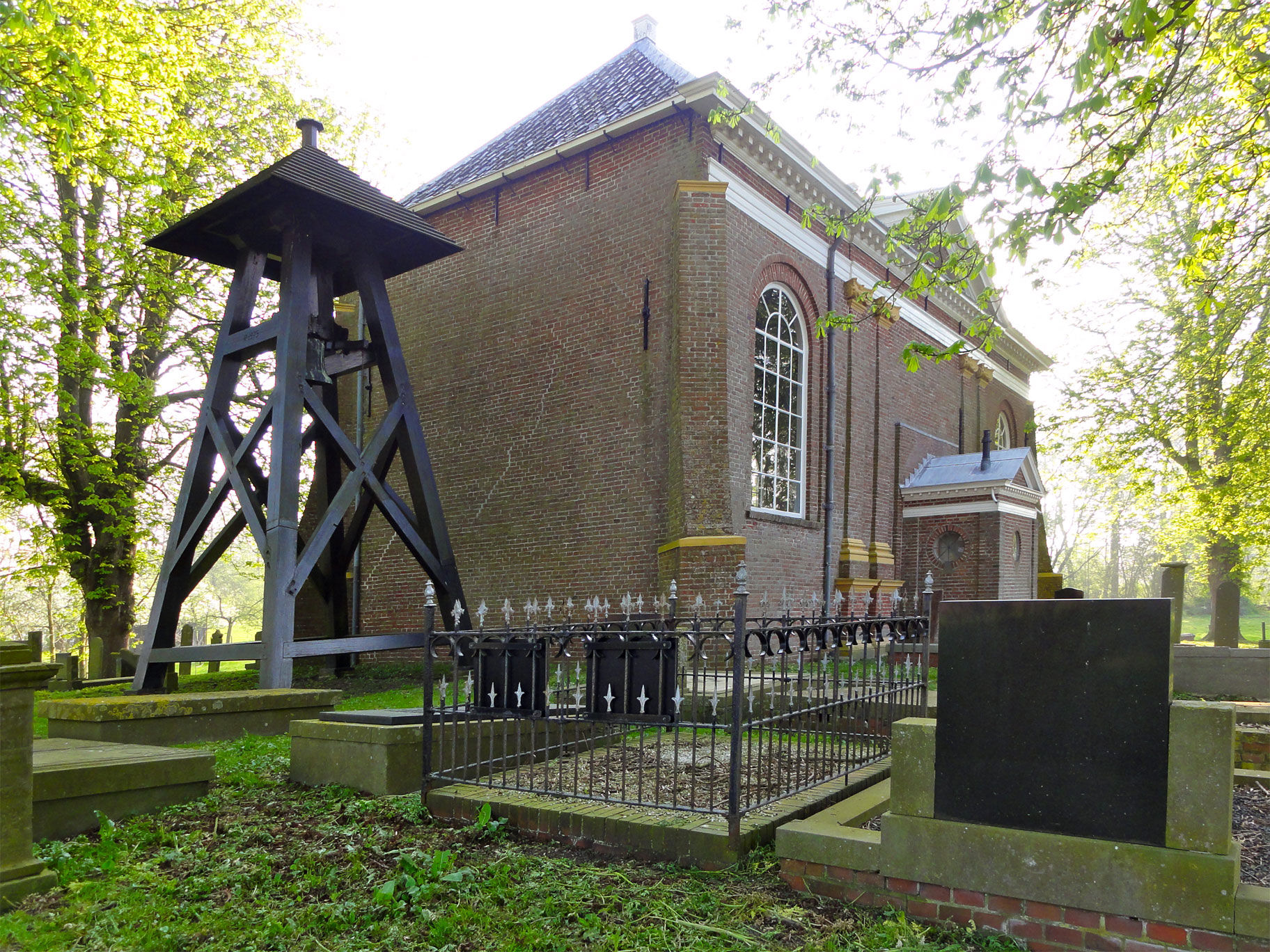
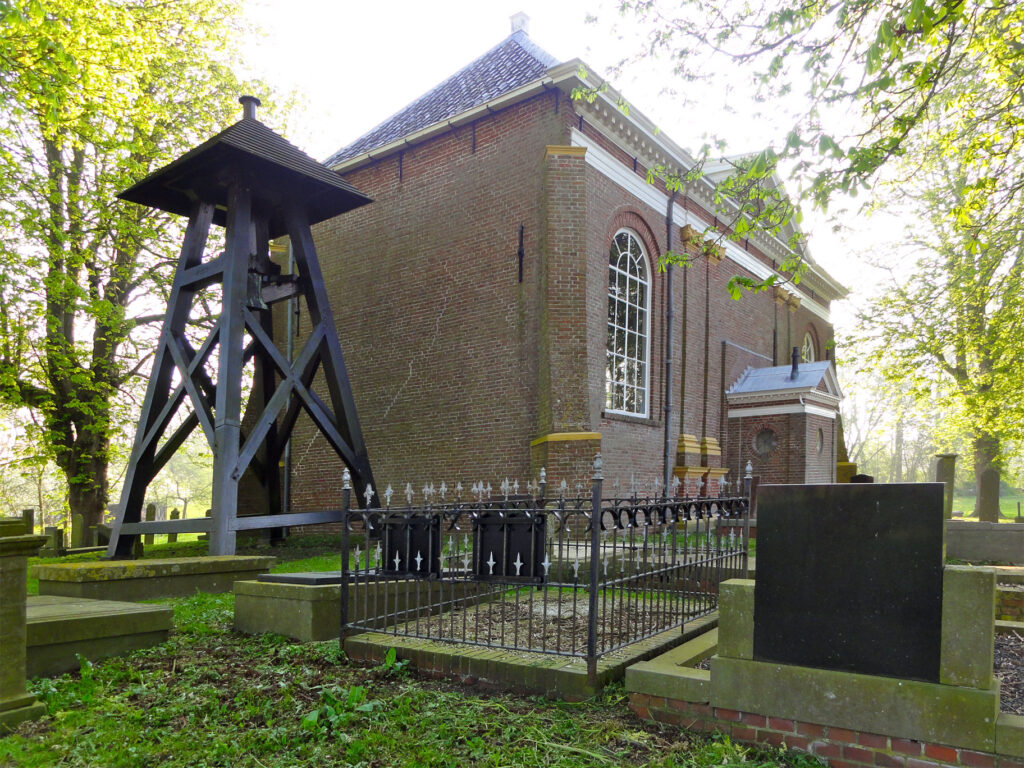
The present church of Solwerd was built in 1783 on the site of the ancient parish, not exactly on the chapel of the well. The villa called Hilghe Stede recalls the name, but also does not mark the place with archaeological precision. There is no longer any Eucharistic pilgrimage or preserved relic.
The Eucharist does not depend on accepting a prodigy
The Catholic faith in the real presence of Christ is born from the sacramental celebration of the Church, not from a legend or from an extraordinary phenomenon. Historical memories find their place only when they lead to mass, worship, reconciliation, ecclesial communion and the service of the needy. This is why the document, the religious interpretation of its time and what can no longer be demonstrated are distinguished here.
Sources and location
- Meertens/KNAW: Solwerd, Holy Sacrament, sources, topography and historical criticism.
- Stichting Oude Groninger Kerken, history of the building and the local memory.
Iglesia de Solwerd, Solwerderweg 5a, Appingedam. The marker identifies the current historical set, not the exact point of the missing well.
Prayer
Jesus, the Bread of Peace, purifies our memory of all falsehood and prejudice. Give us reverence before your presence, love of truth and courage to repair unjust accusations. Make us servants of reconciliation. Amen.