

On 16 March 1496, foreign soldiers seeking supplies entered into conflict with the inhabitants of Ypecolsga. The neighbors took refuge in the tower and the soldiers burned the church's straw roof. A 16th century chronicle states that, among the destruction, fifteen consecrated forms remained intact and that their fame attracted enough offerings to rebuild the temple.
The attack and the fire
The main source is Worp van Thabor, canon and cold chronist of the 16th century. According to his story, several soldiers tried to take fish without paying for it. After the resistance of the neighbours, they returned in greater numbers, forced the population to take refuge and set fire to the church. The inhabitants escaped from the tower, coming down the ropes of the bells.
The chronicle claims that the building and its property burned, except for fifteen consecrated forms. He adds that they later performed great miracles and that the offerings received allowed the church to be raised again. The testimony is relatively close to the facts, but it is not a notarial record of the fire or a material investigation of the forms.
What can be documented
It is historically reasonable to say that there was a violent fire in 1496, that the memory of preserved forms was circulating during the 16th century and that this memory was linked to visits, religious and donation repair. The accuracy of the number 15 comes from the chronicle and must be attributed to it.
We do not have subsequent inventories describing the custody of forms, a decree on their authenticity and a detailed continuity of the pilgrimage. Meertens warns that more news about the development and end of the cult is missing. The fact sheet therefore speaks of documented memory, not of relic examined or miracle recognized by a modern procedure.
From medieval temple to current cemetery
Ypecolsga had a parish church dedicated to Saint Odulfo since the 12th century and depended on the abbey of Stavoren. After the Reformation, the building moved to Protestant veneration in 1580. It was demolished in the mid-18th century and the inhabitants began to go to Woudsend.
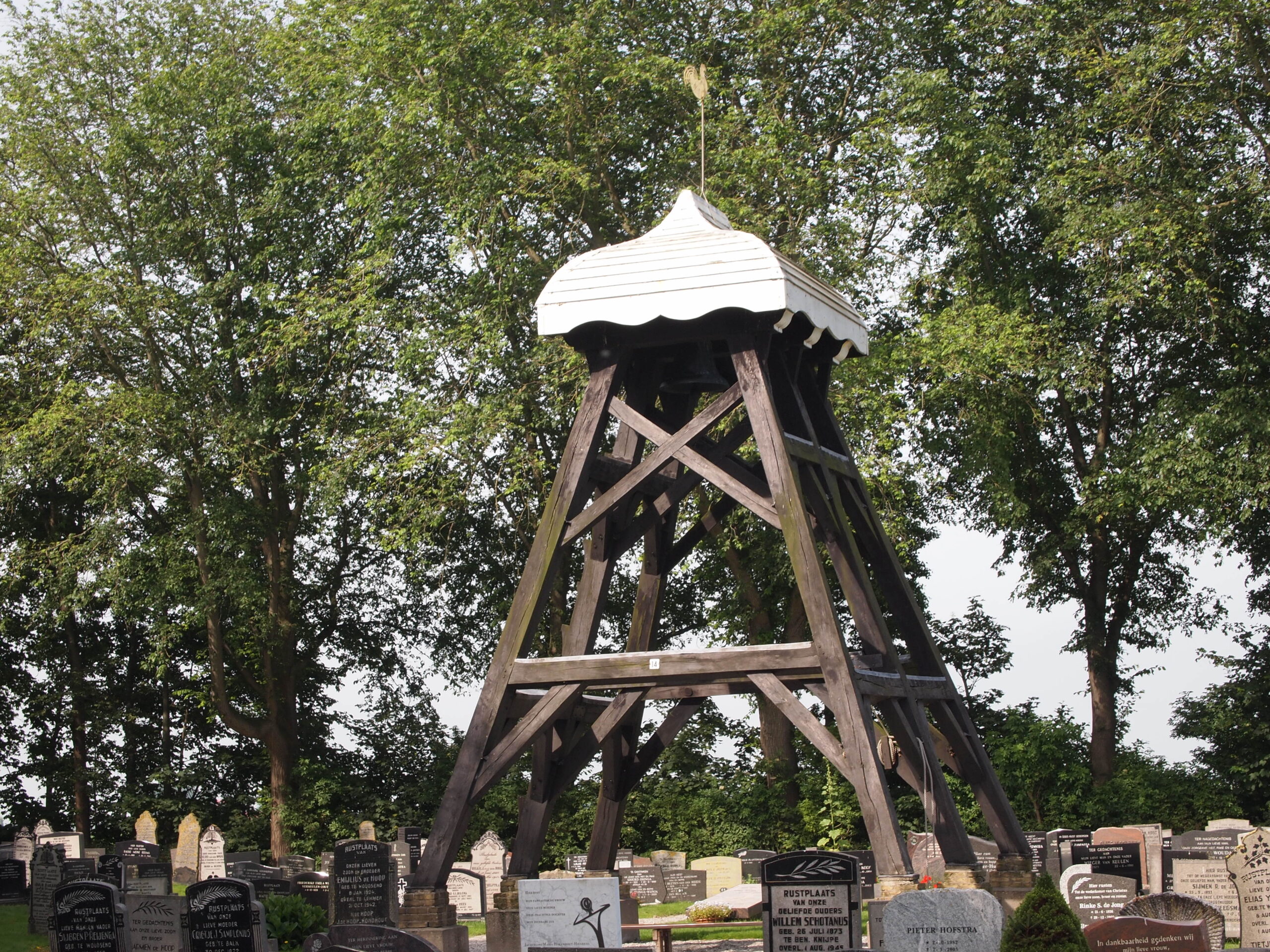
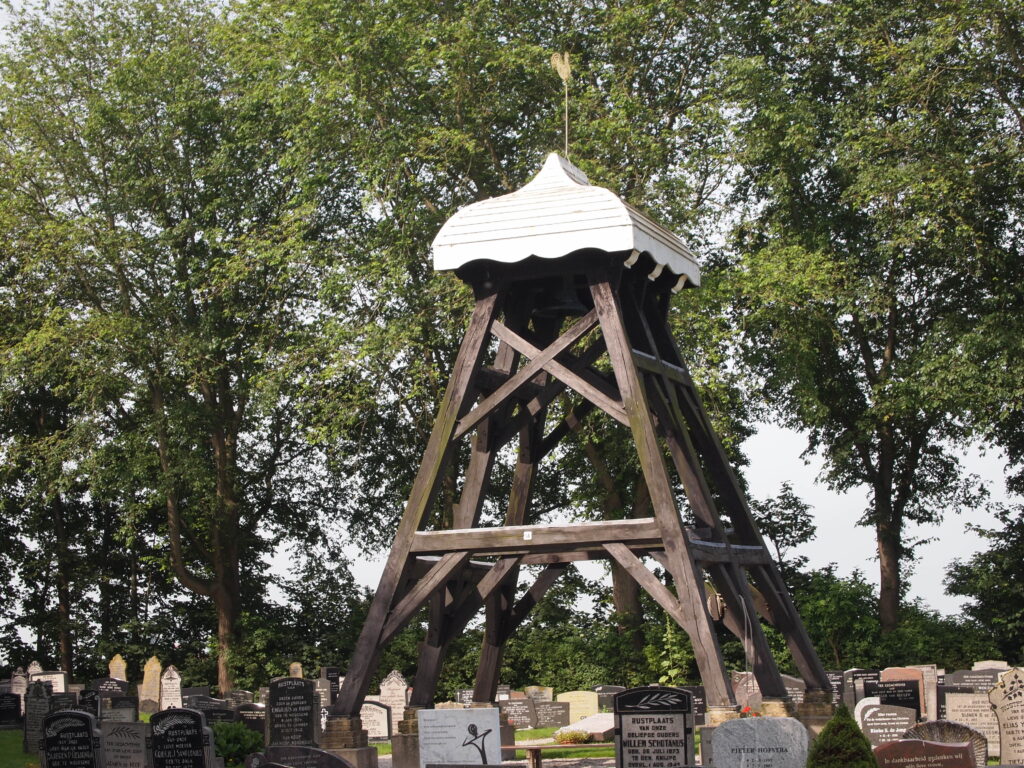
In the old camposanto remains a wooden structure for the bell. It is the visible testimony of the missing parish group, but it does not preserve the altar, the forms or a Eucharistic chapel. The marker is located in this memorial space and does not intend to fix the exact point of the fire within the old temple.
Reparation against violence
The story was born in a context of looting and fear. Its most clear historical fruit was community reconstruction through offerings. Beyond judging the phenomenon, memory invites a response to violence by protecting life, restoring the desecration and rebuilding together the destroyed.
The Eucharistic faith does not depend on a prodigy
The real presence of Christ in the Eucharist belongs to the sacramental celebration of the Church and does not depend on accepting an extraordinary account. These historical memories help when they lead to mass, worship, reconciliation, ecclesial communion and charity. That is why the documents, the religious interpretation of their time and what can no longer be verified are distinguished.
Sources and location
- Meertens/KNAW: Ypecolsga, Holy Sacrament, chronic, history and documentary limits.
- Cartographic reference of Ypecolsga.
Old cemetery and bell tower of Ypecolsga, Frisia. The medieval temple and the Eucharistic veneration no longer exist.
Prayer
Lord Jesus, stay with those who suffer violence and desolation. Give us strength to rebuild, reverence to care for your gifts and generosity to repair the wounds of our communities. Amen.