
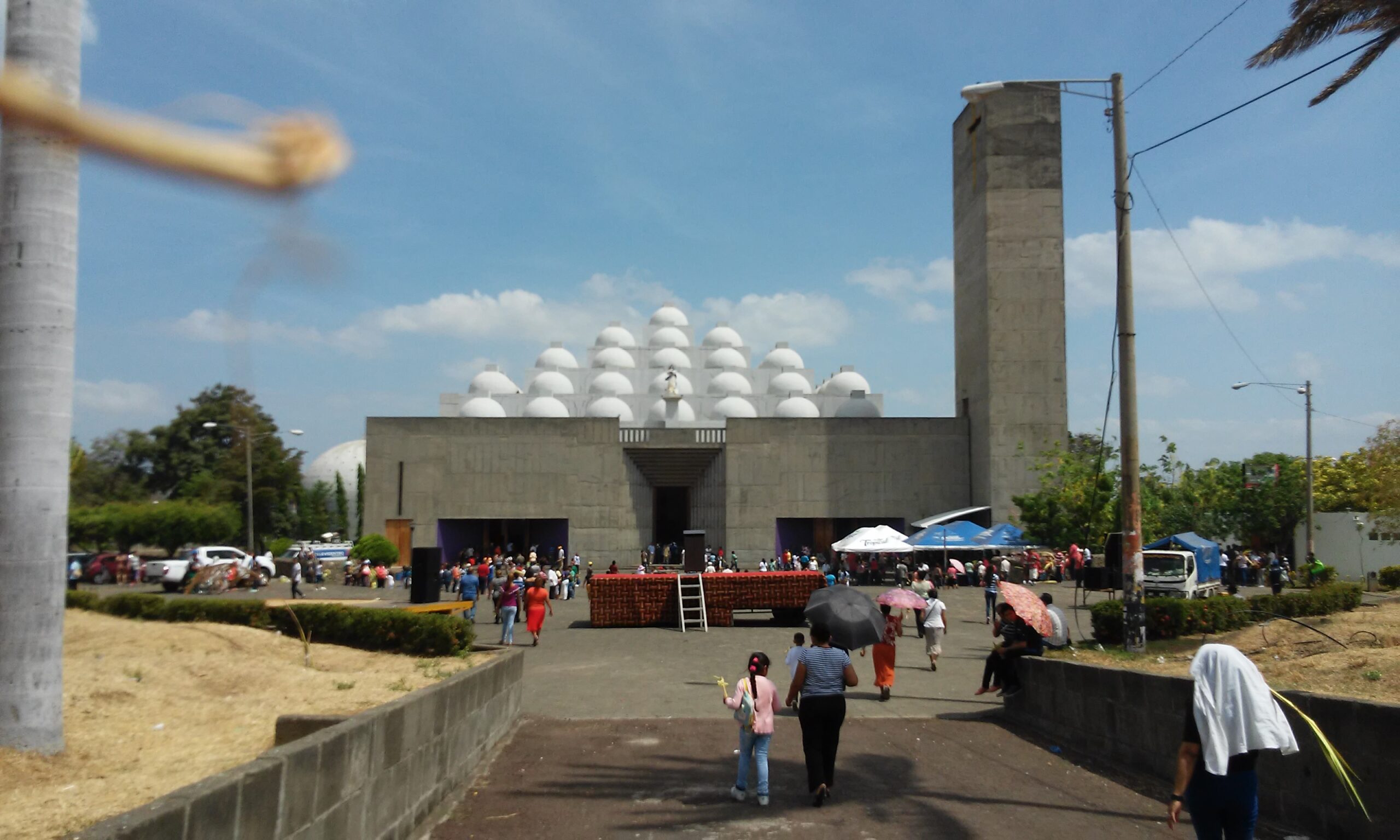

On July 31, 2020, an unknown man launched an incendiary bomb against the Blood Chapel of Christ in the Metropolitan Cathedral of Managua and seriously calcined a venerated image of the 17th century. In the midst of the commotion, Cardinal Leopold Brenes stressed that the copon with the Most Holy, within the sacred, had not been completely destroyed, and he interpreted it devotionally as a Eucharistic sign.
The 2020 bombing
Around 11 a.m. on July 31, 2020, a person with a covered face entered the Blood Chapel of Christ, in the Cathedral of the Immaculate Conception of Managua, and threw an incendiary artifact. The fire seriously calcined the image there venerated. The National Police initially attributed the fire to a candle or an accidental event, while the Archdiocese and human rights organizations described it as a deliberate attack on a place of worship.
The historical image of the Blood of Christ
The damaged image was a size of polychrome wood from the 17th century, according to the tradition arrived from Guatemala in 1638, and one of the city's most loved Christological devotions. After the attack, it was arranged to be restored by specialized hands. The fact sheet clearly distinguishes two planes: the loss and repair of a devotional image, and the Eucharistic reflection that caused the fact.
"A Eucharistic Miracle," according to the Cardinal
In describing the damage, Cardinal Leopoldo Brenes stressed that, despite the intense heat, the copon kept in the sacred was not completely destroyed and that the consecrated forms, even affected by fire, did not completely disappear. In that devotional sense he spoke of a "Eucharistic miracle." This is a pastoral and homily reading of the pastor of the diocese, not the conclusion of a canonical process or an expert on a prodigy.
What the Church recognizes and what does not recognize
No canonical process was opened on an alleged supernatural phenomenon, nor is there a decree to recognize it. To present it as a proven Eucharistic miracle would be inaccurate. What can be said with truth is that there was an attack on a temple and a venerated image, that the Catholic community lived it in pain and hope, and that its bishop invited to read in the preserved Eucharist a reason for comfort and faith. With that range - and only with that - it is collected here.
Location
The fact occurred in the Chapel of the Blood of Christ, within the Metropolitan Cathedral of the Immaculate Conception of Managua, capital of Nicaragua. The coordinates correspond to the cathedral and are offered as approximate.
The Eucharistic faith in the face of violence
The real presence of Christ in the Eucharist is believed and worshipped by the word of the Lord, not by the material resistance of an object to fire. In the face of the desecration of a sacred place, the Christian response is not the exaltation of a prodigy, but the reparation, forgiveness and perseverance in worship. Thus understood, Managua's memory invites you to care for and defend the holy without dismissing the truth.
Sources
- Vatican News: The Attack and the Words of Cardinal Brenes.
- ACI Press: destruction of the image with fire bomb.
- History of the image of the Blood of Christ of Managua.
Chapel of the Blood of Christ, Managua Cathedral, Nicaragua. Memory of an attack (2020) and its Eucharistic reading; without recognition of supernatural phenomenon. Approximate coordinates.
Prayer
Lord Jesus, present in your Eucharist, comforts those who suffer violence against faith and purifies every heart of hatred. Teach us to repair the desecrated with reverence and to persevere in your love, which no flame can turn off. Amen.