

By 1410, the parish priest of Schraard and his vicar claimed to have seen a consecrated form stained with blood and then a flow that seemed to transform it almost completely. The form was preserved with honors in the church and attracted visitors. Four years later, a letter of indulgence left the story in writing and constitutes the main documentary basis of this Frisian Eucharistic memory.
The letter of April 5, 1414
The document was issued by John XXIII, one of the rival pontiffs during the Western Cysm. Although he was later considered anti-pope, he was then recognized as legitimate in the Dioceses of Utrecht and Liège. He granted indulgences to those who, after confessing and communicating, would visit the church of Schraard at certain parties and deliver a alms for their repair.
The letter probably reproduces the request sent by the parish priest Jaricus. It shows that the form had been found splashed with blood on an altar and that the priest and his vicar then observed the phenomenon. He also claims that the exhibition attracted many people from the region every year. This shows that the story and veneration already circulated in 1414; it does not amount to a scientific expertise or a modern decree of supernatural recognition.
A church in need of repair
The concession also had a material purpose: the parish church was damaged. The list of days included Christmas, Easter, Pentecost, Corpus Christi, Marian parties, St. John the Baptist, Peter and Paul, All Saints and the anniversary of dedication. The alms helped to support the building.
In 1431, Pope Eugene IV again granted a indulgence to visitors and benefactors. However, we do not know the lasting effect of these measures. Subsequent documentation does not allow a stable Eucharistic pilgrimage to be followed safely beyond the 15th century.
Document does not mean physical check
The 1414 letter is valuable because it brings the account to its historical context and attests to its ecclesial reception. But it comes from the request interested in repairing the church and does not describe an independent investigation of the form. The object, a medical file and material analysis are not kept. The responsible formulation is therefore "tradition documented in 1414," not "demonstrated miracle."
It should also be avoided to turn indulgence into an automatic promise. In medieval discipline it was linked to spiritual conditions, liturgical acts and alms; its current interpretation belongs to the current teaching of the Church, not to the mechanical reproduction of a 15th century concession.
The present temple and the missing cult
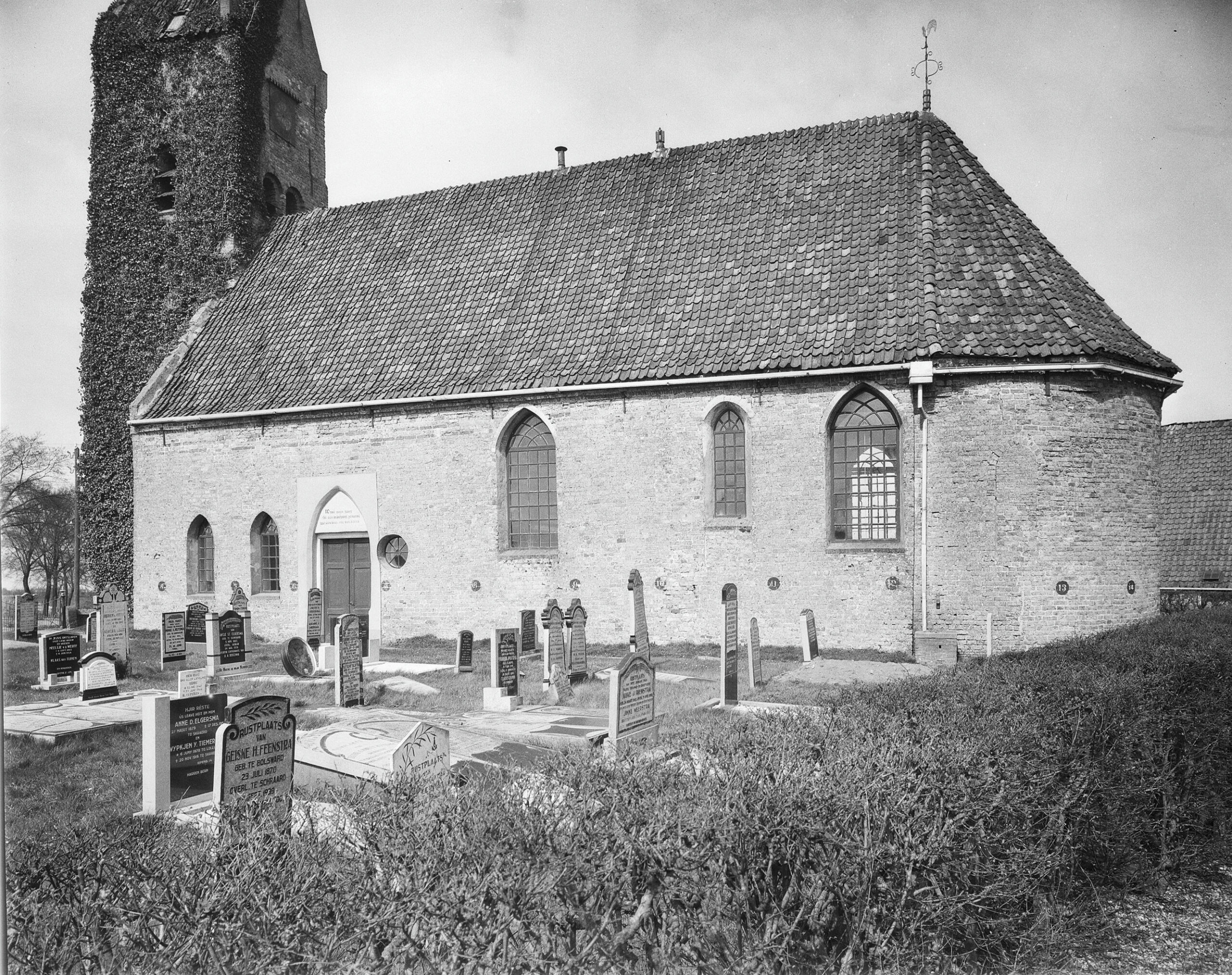
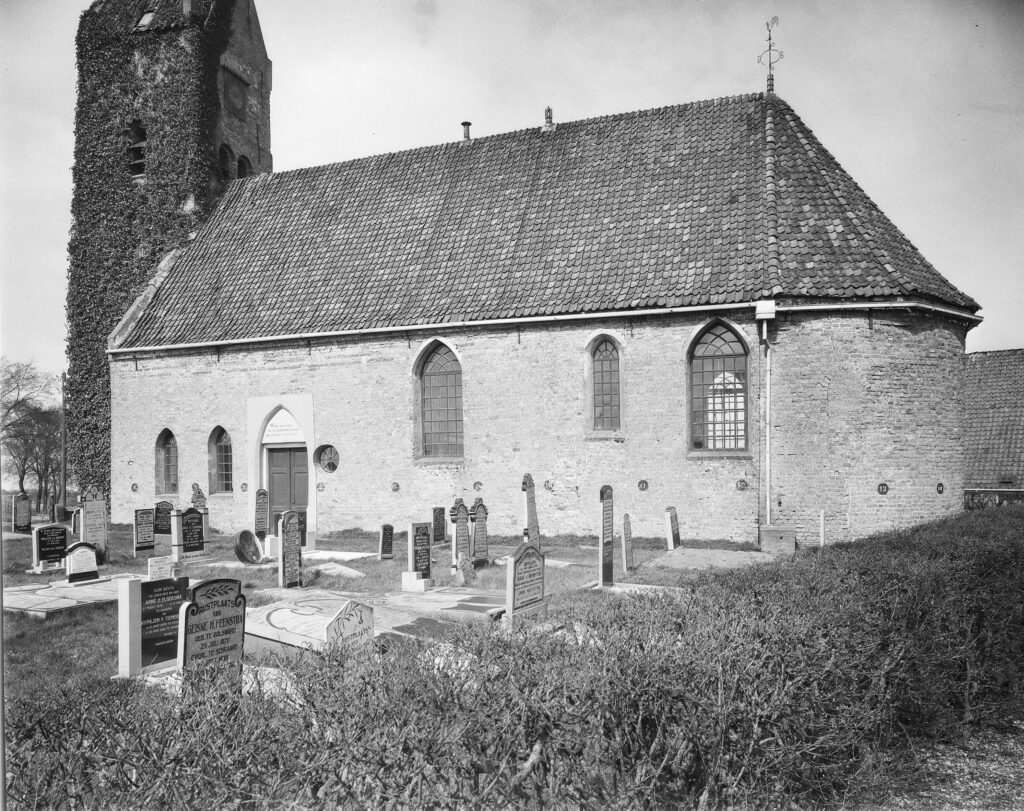
The Gothic church of Schraard continues in the center of the village and today belongs to the Protestant tradition. Its preservation allows to identify the general historical scenario, but does not mean that it maintains the ancient Catholic veneration. The form is not preserved and there is no current Eucharistic pilgrimage.
The Eucharist does not depend on accepting a prodigy
The Catholic faith in the real presence of Christ is born from the sacramental celebration of the Church, not from a legend or from an extraordinary phenomenon. Historical memories find their place only when they lead to mass, worship, reconciliation, ecclesial communion and the service of the needy. This is why the document, the religious interpretation of its time and what can no longer be demonstrated are distinguished here.
Sources and location
- Meertens/KNAW: Schraard, Holy Sacrament, contextualized transcription of tradition and indulgences.
- Cartography of the historical church.
Iglesia histórica de Schraard, Schoolstraat, Frisia, Países Bajos. The building identifies the place of tradition; it is not currently a Catholic Eucharistic sanctuary.
Prayer
Lord Jesus, give us a humble faith that does not fear the truth. Keep the good of our history, deliver us from exaggerating what we ignore and make every Eucharistic memory bring us closer to your table and to your brothers. Amen.