
.jpg)
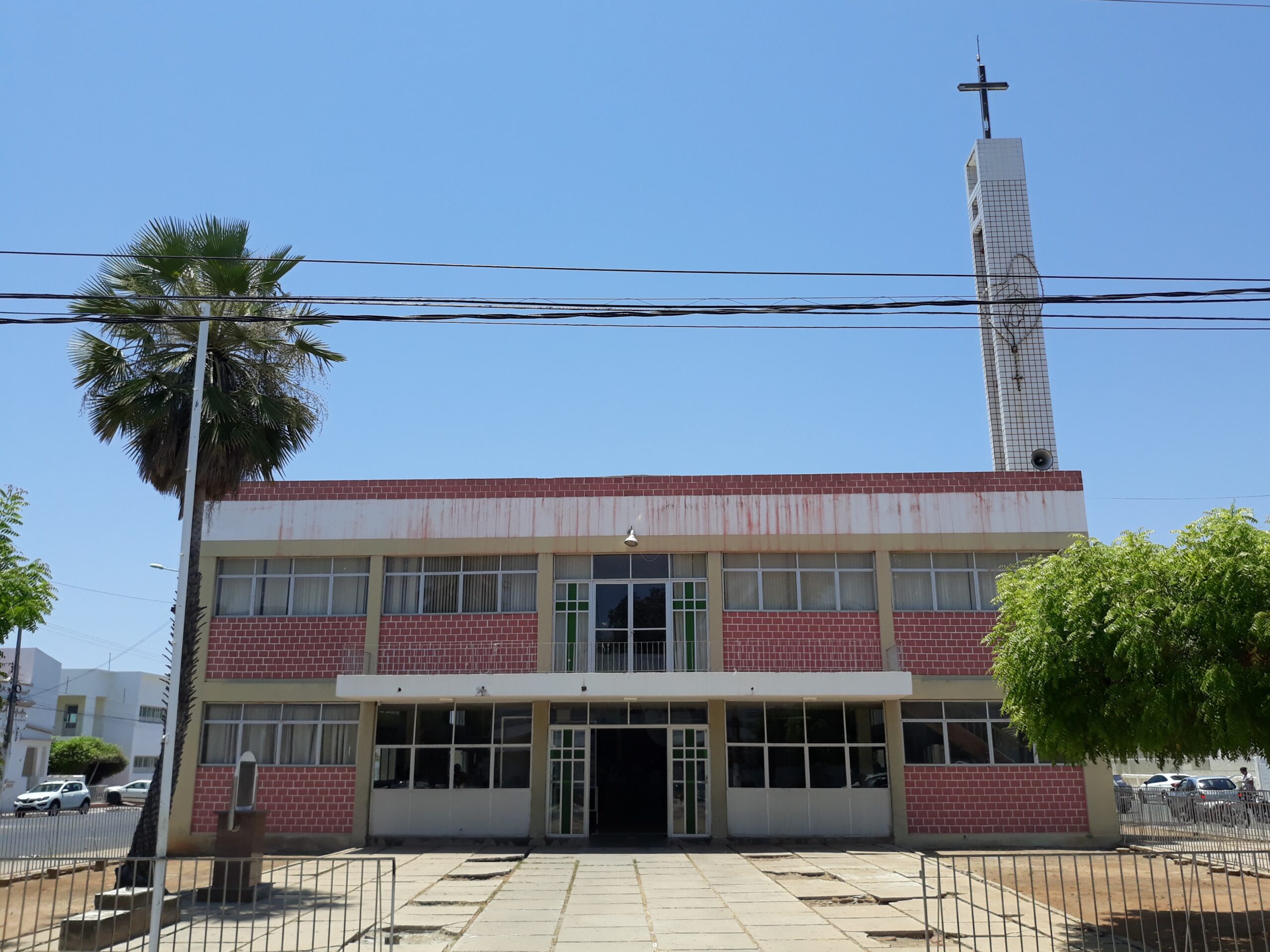
Sousa, in the serton of the Brazilian state of Paraíba, retains a Eucharistic tradition dated 1814. His memory today is not dependent on a relic subject to analysis, but on a community, a sanctuary recognized by the diocese and a pilgrimage that renarrates the episode within the sacramental faith of the Church.
The tradition born in 1814
The local account begins in the ancient church of Our Lady of Remedies. According to tradition, a consecrated form was removed and abandoned in a nearby area. His finding, accompanied by circumstances interpreted as extraordinary, gave rise to a devotion to the Eucharistic Jesus that ended up linked to the title of Bom Jesus the Eucharist appeared.
Popular narrations incorporate variable details about the place, light, vegetation or animal behavior. Without an accessible contemporary file, it is not responsible to present each element as a proven chronicle. The fiche retains the core of tradition and separates three planes: the episode transmitted, the historical development of the cult and the institutional reality of the present sanctuary.
Del lugar del lobbyazgo al sanctuary
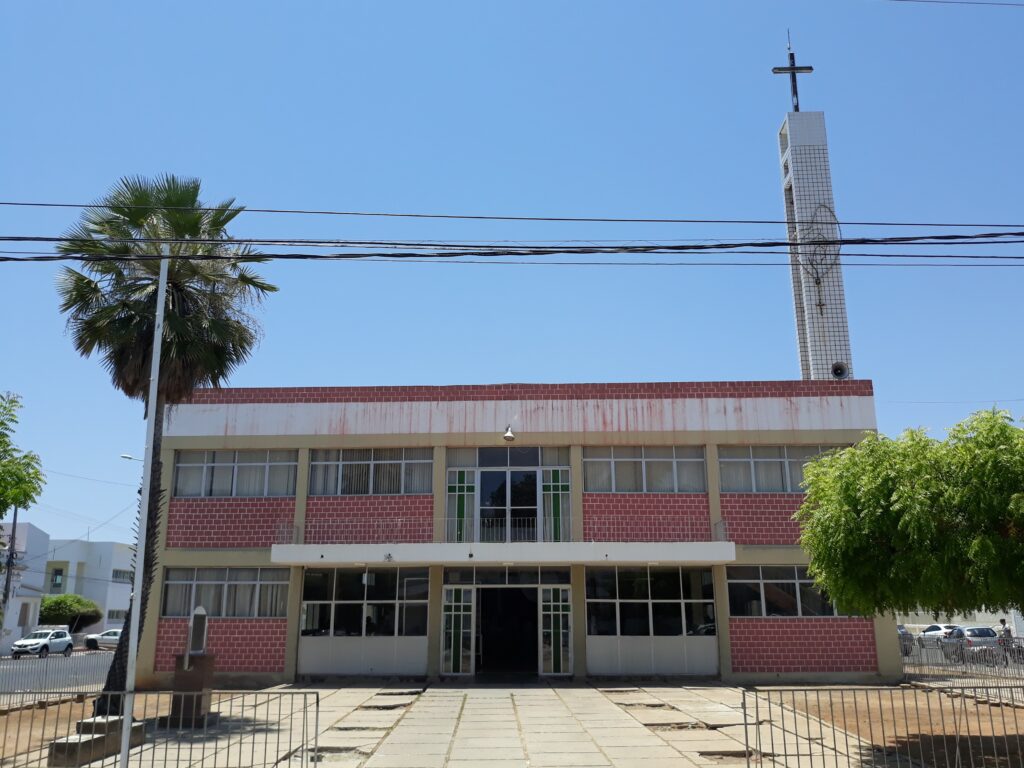
The church where the sacrilege was committed, the place associated with the finding and the present sanctuary should not be automatically confused. The marker points out the Santuário Bom Jesus Eucharistic Aparecido because it is the public and verifiable place where the diocese today keeps its memory. It is not intended to identify the point of 1814 with archaeological precision.
The official directory of the Diocese of Cajazeiras records the sanctuary in the Rua Coronel José Gomes de Sá, 38, center of Sousa, and dates its institutional creation on January 10, 1958. This data does not date the origin of devotion, but its contemporary parish or administrative configuration.
A memory sustained by the diocese
The Diocese of Cajazeiras includes the sanctuary in its pastoral organization and has promoted a Eucharistic rostrum linked to the anniversaries of the event. This continuity is the most solid ecclesial data: there is public veneration, identified temple, responsible clergy and diocesan convocation.
However, no 1814 or later decree has been found that formally declares the supernatural origin of the finding. That is why the term "Eucharistic tradition" is used and no non-existent approval is attributed to Rome. The pastoral reception of the sanctuary deserves respect without making it a broader historical conclusion than sources allow.
What "Appeared" means in Sousa
In the Portuguese title Bom Jesus Eucharistic Appeared, "appeared" refers to the finding or manifestation linked to Jesus in the Eucharist. It should not be confused with Our Lady Aparecida, the national Marian advocation of Brazil, although both expressions share a word of Brazilian religiosity.
The center of this devotion is the sacramental Christ. The memory of sacrilege and finding calls for the repair of all irreverence through a coherent life: worship, participation in mass, care for the consecrated forms, confession, decent communion and charity with the poor.
The Eucharist in the serton of Paraíba
The tradition is part of the religious history of Sousa and the diocese of Cajazeiras. His stay for more than two centuries shows how a local memory can articulate community identity and pilgrimage. Contemporary romance alone does not show all the details of 1814, but it does document that the local Church has received and heralded devotion.
This perspective avoids two extremes: to despise the memory of the faithful because there is no available laboratory or file, and to present as scientific certainty what belongs to a historical tradition. Devotional truth is best served when the different degrees of certainty are clearly named.
Sources and degree of certainty
- Diocese of Cajazeiras: Forania de Sousa, official record of the sanctuary, pastoral direction and responsibility.
- Diocese of Cajazeiras: Eucharistic Romeria of Sousacontemporary cultural continuity.
- Wikimedia Commons, free visual documentation of the sanctuary.
It is not yet possible to find older archival documents: parish records, diocesan chronicles or a file to date the first written versions of the story. As long as it does not appear, the 1814 chronology is attributed to the tradition sustained by local veneration.
Location for the pilgrimage
Sanctuário Bom Jesus Eucharístico Aparecido, Rua Coronel José Gomes de Sá, 38, Centro, Sousa, Paraíba, Brazil. The marker corresponds to the present sanctuary, in -6.7586110, -38.2288890. The hours of mass, worship and pilgrimages should be confirmed directly.
Prayer of reparation and communion
Jesus, the bread of life, receives our worship and repairs in us all indifference. Give us hunger for your Word and your Body, respect for the altar and a heart ready to recognize you also in those who suffer. Make our community a sign of reconciliation. Amen.