
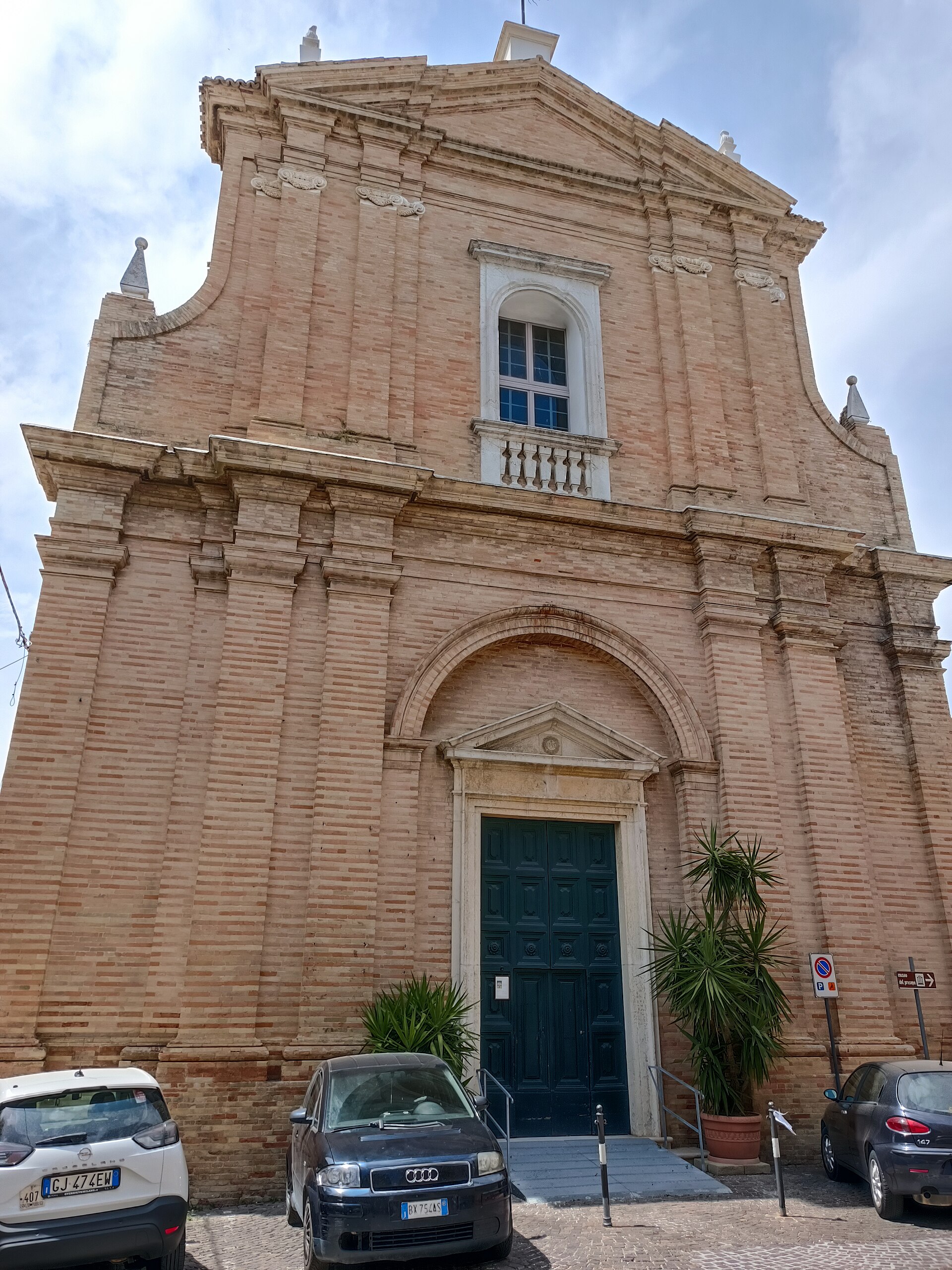
In 1560 a fire devoured the church of the Franciscans, but the consecrated host was intact on the ashes, although the ostensory had melted.
Documented history and memory received
Morrovalle recalls the fire of the Franciscan convent on April 17, 1560. According to tradition, a preserved form appeared between the remains of the altar and the ostensory. Church inquiries were carried out and a local cult was developed, but the relic suffered another fire in 1926 and can no longer be presented as an intact object currently available. The document retains the history of the sanctuary and labels the prodigy as a memory received, without affirming a contemporary physical expertise.
Who venerates the memory
The look is directed to Jesus Christ and to the mystery of his Incarnation, Passion, Death, Resurrection or Reign. The image, relic, monument or custom does not act by its own power: it serves the memory of the Gospel and leads to prayer, sacraments, conversion and charity.
History, tradition and discernment
Fire, sanctuary and local memory; relic already affected and traditional prodigy. The tab retains the memory received without turning legend, witness or believing interpretation into a historically demonstrated fact.
Celebration and devotional life
Festivity or main time: Eucharistic Commemoration (1560).
No automatic promise or prodigy guarantee is documented. Veneration leads to Christ, the Eucharist, conversion, reparation, unity and charity.
Location on the map
The marker points to the Church of San Bartolomeo · Morrovalle (Italy). The coordinate was contrasted with open mapping and institutional identification of the place.
Main source
Town Hall of Morrovalle. Contrast lettering with OpenStreetMap/Nominatim.
Para orar
O Most Holy Sacrament, O Divine Sacrament, all praise and graces are given at all times.
Image credit
Fachada of the church of San Bartolomeo of Morrovalle, a current place associated with the conservation of the local Eucharistic memory after the disappearance of the old convent. The image documents the temple, does not test the traditional story, and replaces Nin's thematic photography. Photo: Viaggiamocela, CC BY-SA 4.0, Wikimedia Commons.