
A careless priest placed a holy host within a brevity; when he opened it, he found the page dyed with blood with the image of Christ.
Documented history and memory received
Cascia retains in its lower basilica a relic linked to a 1330 narrative: a priest would have misplaced a form within a book and then found signs on its pages. Local custody and worship are verifiable; transformation, the face interpreted in the stain and the penance details belong to tradition. The fact sheet does not confuse this relicary with devotion to Saint Rita or legitimate practices that disrespect the Eucharist.
Who venerates the memory
The look is directed to Jesus Christ and to the mystery of his Incarnation, Passion, Death, Resurrection or Reign. The image, relic, monument or custom does not act by its own power: it serves the memory of the Gospel and leads to prayer, sacraments, conversion and charity.
History, tradition and discernment
Relic guarded; account of 1330 identified as tradition. The tab retains the memory received without turning legend, witness or believing interpretation into a historically demonstrated fact.
Celebration and devotional life
Festivity or main time: Commemoration at the Basilica of Santa Rita de Cascia.
No automatic promise or prodigy guarantee is documented. Eucharistic veneration leads to mass, veneration, conversion, repair and charity.
Location on the map
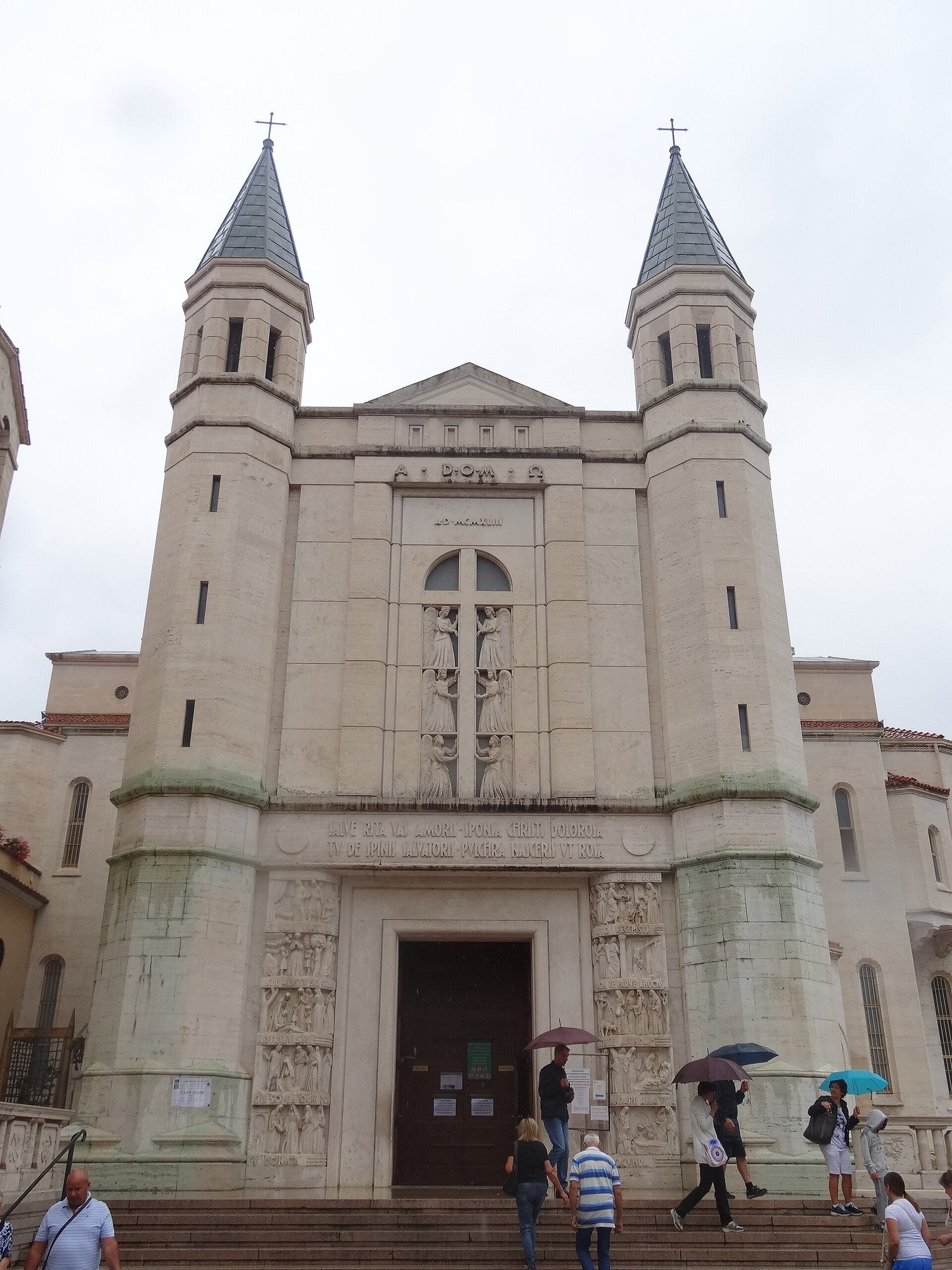
The marker points to the Basilica of Santa Rita · Cascia (Italy). The coordinate was contrasted with open mapping and institutional identification of the place.
Main source
Santuary of Santa Rita de Cascia. Contrast lettering with OpenStreetMap/Nominatim.
Para orar
Lord Jesus, hidden in the Eucharist, have mercy on us.
Image credit
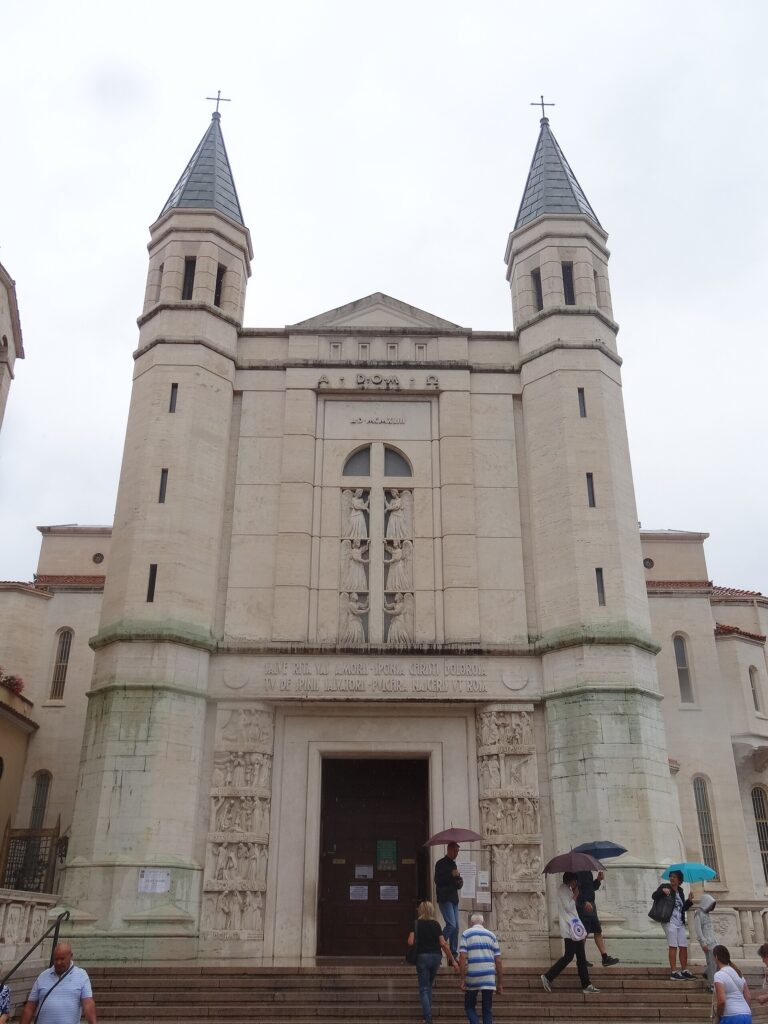
Fachada of the Basilica of Santa Rita de Cascia, an exact place where the Eucharistic relic studied in this document is preserved and venerated. This photograph replaces the previous theme image of Naples. Photo: Jordiverrer, CC BY-SA 4.0, Wikimedia Commons.