
In 1730, some consecrated hostias stolen were recovered and, since then, they have remained incorrupts without being broken down despite the passage of almost three centuries.
Documented history and memory received
In 1730, some 350 forms of San Francisco de Siena were stolen and recovered three days later in Santa Maria in Provenzano. The Archdiocese documents the continued custody of 223 particles and the 1914 and 2014 investigations, the latter non-invasive and with no microbial contamination detected. Conservation is presented by the local Church as prodigious, but this fact sheet does not claim that science has exhausted all explanations or that the phenomenon is a compulsory doctrine.
Who venerates the memory
The look is directed to Jesus Christ and to the mystery of his Incarnation, Passion, Death, Resurrection or Reign. The image, relic, monument or custom does not act by its own power: it serves the memory of the Gospel and leads to prayer, sacraments, conversion and charity.
History, tradition and discernment
Custody and documented recognition; science is not claimed to have exhausted explanations. The tab retains the memory received without turning legend, witness or believing interpretation into a historically demonstrated fact.
Celebration and devotional life
Festivity or main time: Commemoration at the Basilica of San Francisco de Siena.
No automatic promise or prodigy guarantee is documented. Eucharistic veneration leads to mass, veneration, conversion, repair and charity.
Location on the map
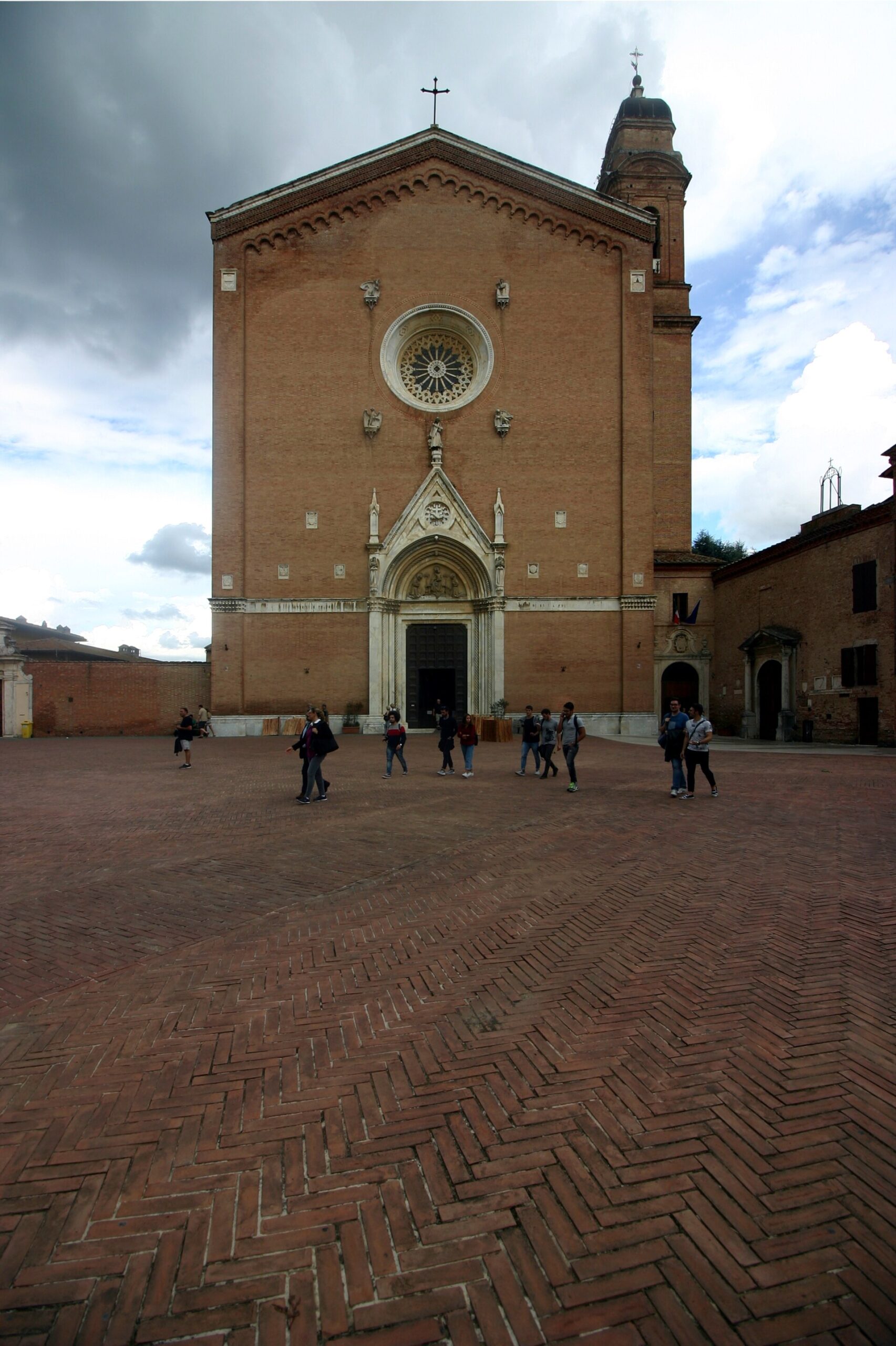
The marker points to the Basilica of San Francisco · Siena (Italy). The coordinate was contrasted with open mapping and institutional identification of the place.
Main source
Archdiocese of Siena. Contrast lettering with OpenStreetMap/Nominatim.
Para orar
Stay with us, Lord, hidden in the Most Holy Sacrament.
Image credit
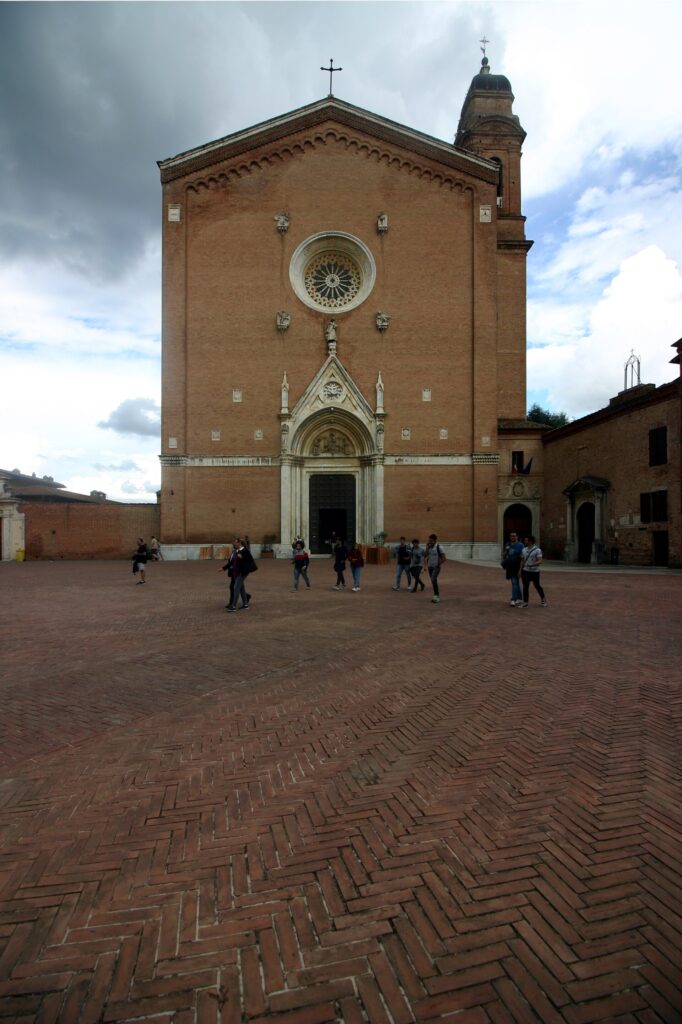
The main fachada of the Basilica of San Francisco de Siena, the exact place where the Sacred Particles are guarded and venerated since their recovery in 1730. This photograph replaces the previous thematic image of another church. Photo: José Luiz, CC BY-SA 4.0, Wikimedia Commons.