
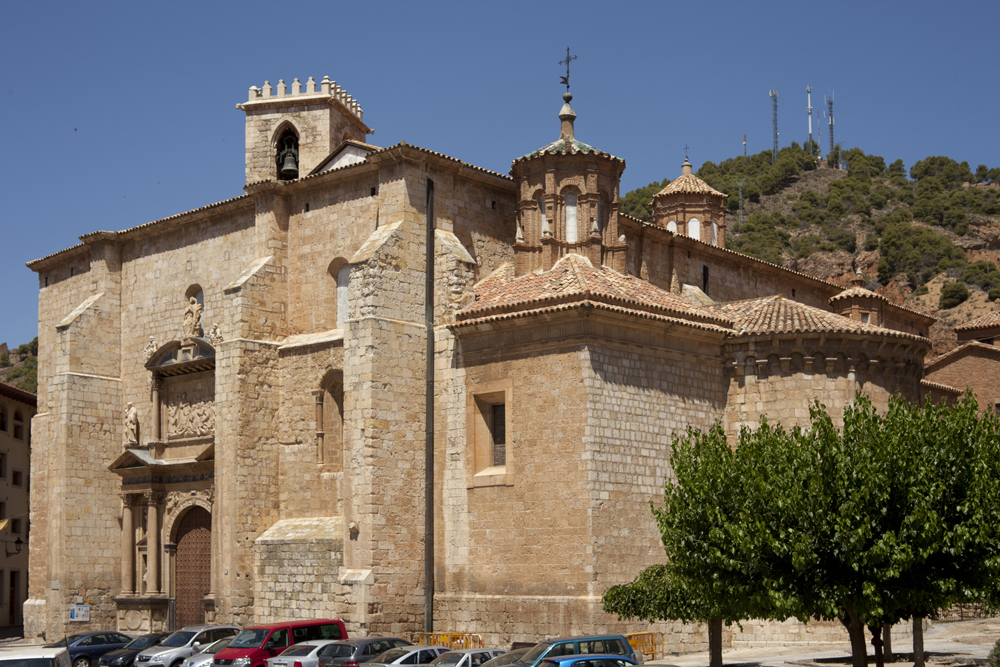
In 1239, during the Reconquest, six consecrated hostias left six stains of living blood on the body.
Documented history and memory received
The Corporals venerate themselves in the basilica of Santa Maria de Daroca and articulate the local feast of the Corpus from the Middle Ages. Tradition relates to a mass interrupted during the 1239 campaign in the surroundings of Chiva and six signs on the canvas; the journey of a mule to Daroca is part of the devotional account. Heritage, chapel, museum and procession are documented realities. It is not said that this tradition alone would cause the universal institution of the Corpus.
Who venerates the memory
The look is directed to Jesus Christ and to the mystery of his Incarnation, Passion, Death, Resurrection or Reign. The image, relic, monument or custom does not act by its own power: it serves the memory of the Gospel and leads to prayer, sacraments, conversion and charity.
History, tradition and discernment
Live heritage and procession; battle, stains and mule are attributed to tradition. The tab retains the memory received without turning legend, witness or believing interpretation into a historically demonstrated fact.
Celebration and devotional life
Festivity or main time: without own liturgical date documented in the main source.
No automatic promise or prodigy guarantee is documented. Eucharistic veneration leads to mass, veneration, conversion, repair and charity.
Location on the map
The marker points to the Basilica of Santa María de los Sagrados Corporales · Daroca (Spain). The coordinate was contrasted with open mapping and institutional identification of the place.
Main source
Daroca City Council. Contrast lettering with OpenStreetMap/Nominatim.
Para orar
Praise the Most Holy Sacrament of the altar.
Image credit
Outside the Basilica of Santa María de los Sagrados Corporales de Daroca, an exact place where the Eucharistic heritage of this medieval tradition is kept. This photograph replaces the previous thematic image of Croatia. Photo: PMRMaeyaert, CC BY-SA 3.0 Spain, Wikimedia Commons.