
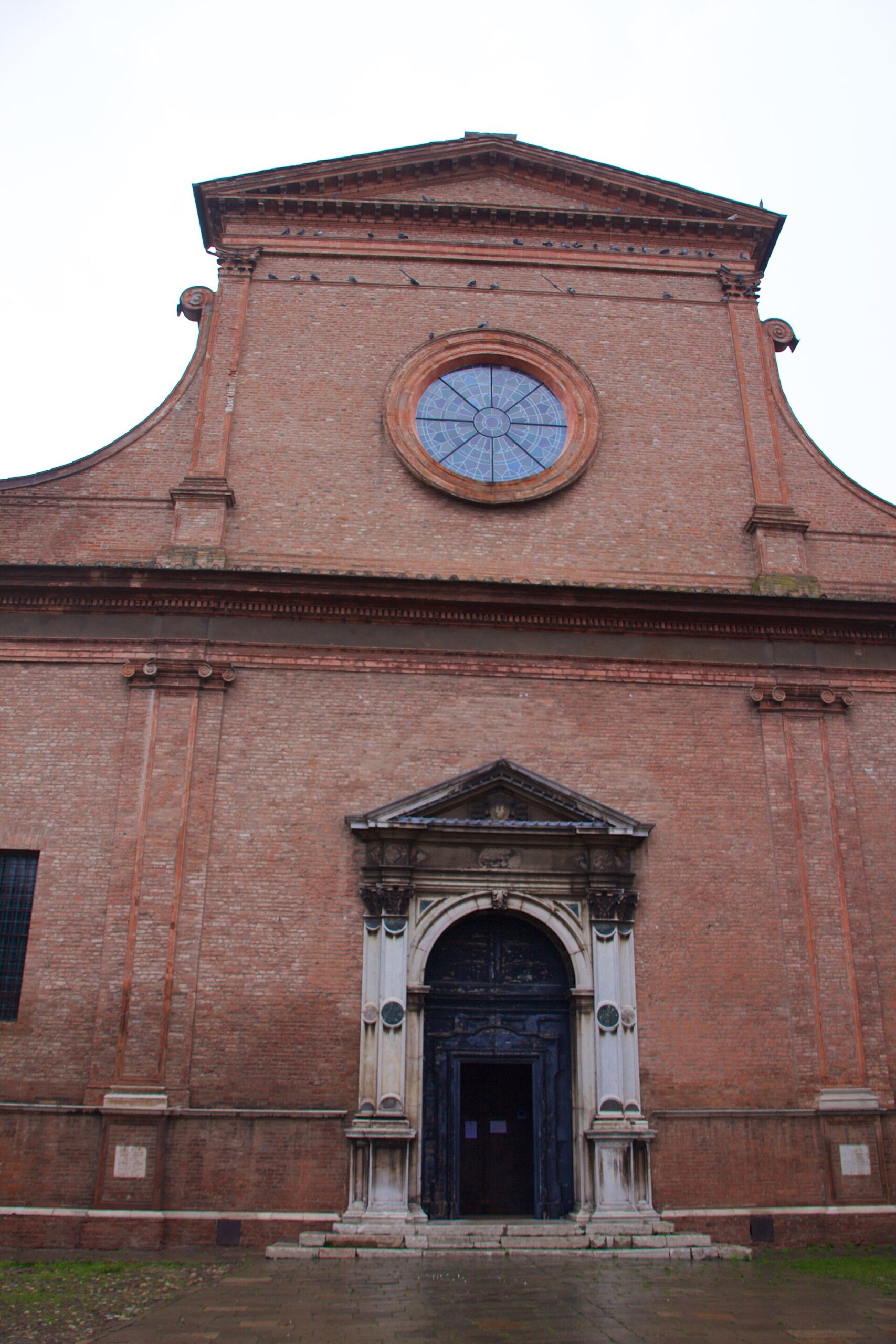
At the Easter Mass of 1171, at the beginning of the consecrated Hostia, this sent blood that splashed the vault of the apse, whose spots are still venerated.
Documented history and memory received
The Basilica of Santa Maria in Vado retains the memory of an episode on Easter Sunday of 1171. According to tradition, during the fraction of the consecrated bread red signs appeared in the small vault on the altar. The ancient temple, chapel, commemoration and pilgrimage are documented; the nature of the spots and the supernatural details belong to the tradition received. The vault is not presented as a scientific blood test.
Who venerates the memory
The look is directed to Jesus Christ and to the mystery of his Incarnation, Passion, Death, Resurrection or Reign. The image, relic, monument or custom does not act by its own power: it serves the memory of the Gospel and leads to prayer, sacraments, conversion and charity.
History, tradition and discernment
Documented Basilica and cult; signs of 1171 according to local tradition. The tab retains the memory received without turning legend, witness or believing interpretation into a historically demonstrated fact.
Celebration and devotional life
Festivity or main time: March 28 (Easter 1171).
No automatic promise or prodigy guarantee is documented. Eucharistic veneration leads to mass, veneration, conversion, repair and charity.
Location on the map
The marker points to the Basilica of Santa Maria in Vado · Ferrara (Italy). The coordinate was contrasted with open mapping and institutional identification of the place.
Main source
Archdiocese of Ferrara- Comacchio. Contrast lettering with OpenStreetMap/Nominatim.
Para orar
The most precious blood of Christ, shed for our salvation, save us.
Image credit
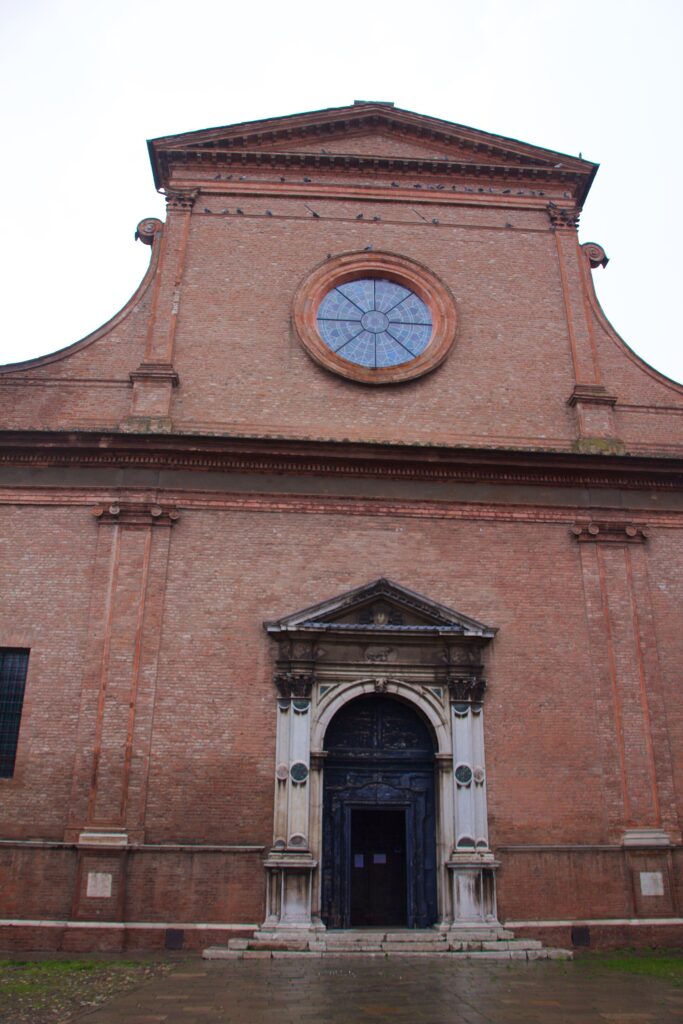
Fachada of the Basilica of Santa Maria in Vado de Ferrara, an exact place that retains the memory and the space of veneration associated with the Eucharistic tradition of 1171. This view replaces the previous thematic crucifix, which did not represent the basilica. Photo: Mike Peel, CC BY-SA 4.0, Wikimedia Commons.