
In 1370 the host became flesh, and he bled copiously before a priest with doubts of faith.
Documented history and memory received
Cimbala conserves the so-called Holy Dubio and a tradition about 1370: a priest would have seen blood signs in the consecrated form. Tourism of Aragon includes the place on a contemporary route of Eucharistic memory and expressly uses traditional formulas. The church, the attributed relic and the local identity are verifiable; material change is presented as a believing account, not a scientific result.
Who venerates the memory
The look is directed to Jesus Christ and to the mystery of his Incarnation, Passion, Death, Resurrection or Reign. The image, relic, monument or custom does not act by its own power: it serves the memory of the Gospel and leads to prayer, sacraments, conversion and charity.
History, tradition and discernment
Documented local route and memory; the phenomenon is expressed as tradition. The tab retains the memory received without turning legend, witness or believing interpretation into a historically demonstrated fact.
Celebration and devotional life
Festivity or main time: without own liturgical date documented in the main source.
No automatic promise or prodigy guarantee is documented. Eucharistic veneration leads to mass, veneration, conversion, repair and charity.
Location on the map
The marker points to Church of Purification · Cimballa, Zaragoza (Spain). The coordinate was contrasted with open mapping and institutional identification of the place.
Main source
Turismo de Aragón. Contrast lettering with OpenStreetMap/Nominatim.
Para orar
My Lord and my God.
Image credit
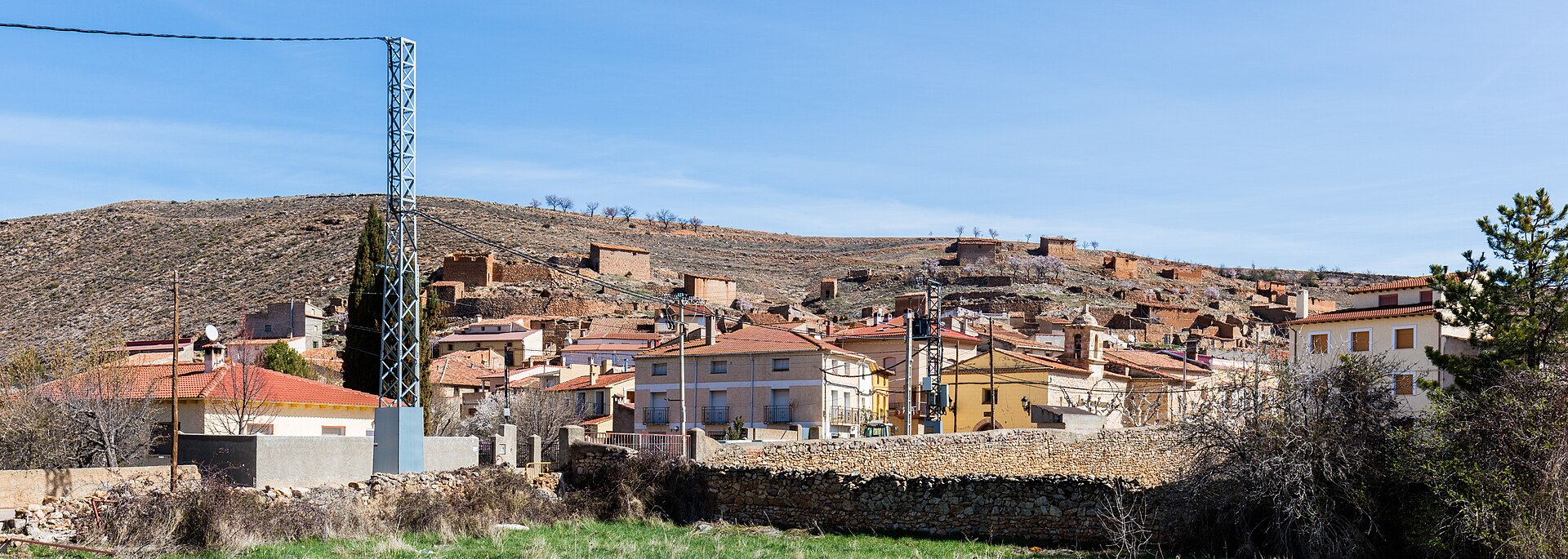
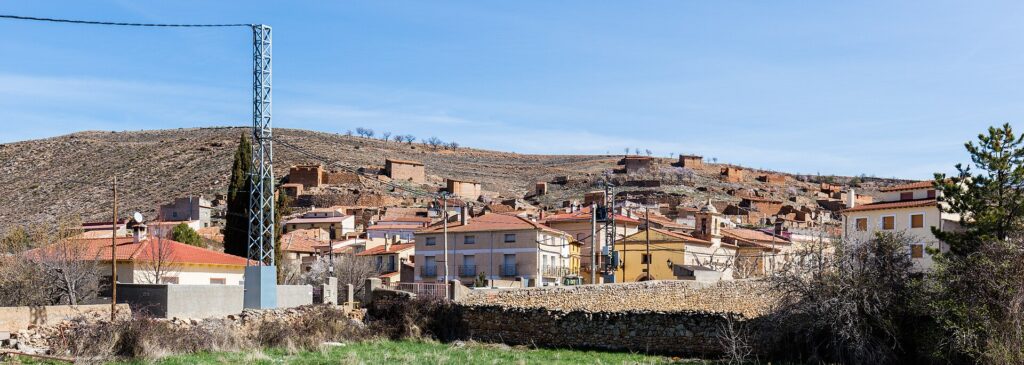
Panoramic of Cimbala, an exact municipality linked to the tradition of the Holy Dubio. Photography brings the local context, but it does not aim to identify in detail the church of Purification. It replaces the previous theme image of Naples. Photo: Diego Delso, CC BY-SA 4.0, Wikimedia Commons.