
The oldest Eucharistic miracle (8th century) and the most scientifically studied: the host became flesh (myocardial) and wine, blood.
Documented history and memory received
Lanciano has for centuries preserved species venerated as flesh and blood, associated by tradition with a mass of the altomedieval period. The sanctuary reports on the analyses carried out by Odoardo Linoli in 1970- 1971, which identified human tissue and blood. His own explanation recognizes that keeping proteins in old material is not impossible or exceptional. No personal authorization from Paul VI, independent 1981 reviews, or a probative comparison with the Séndone has been accredited here. The document documents veneration and study without making them a scientific demonstration of transubstantiation.
Who venerates the memory
The look is directed to Jesus Christ and to the mystery of his Incarnation, Passion, Death, Resurrection or Reign. The image, relic, monument or custom does not act by its own power: it serves the memory of the Gospel and leads to prayer, sacraments, conversion and charity.
History, tradition and discernment
Veneration and analysis of Linoli documented; unaccredited scientific exaggerations are eliminated. The tab retains the memory received without turning legend, witness or believing interpretation into a historically demonstrated fact.
Celebration and devotional life
Festivity or main time: without own liturgical date documented in the main source.
No automatic promise or prodigy guarantee is documented. Eucharistic veneration leads to mass, veneration, conversion, repair and charity.
Location on the map
The marker points to San Francisco Sanctuary · Lanciano (Italy). The coordinate was contrasted with open mapping and institutional identification of the place.
Main source
Sanctuary of the Eucharistic Miracle of Lanciano. Contrast lettering with OpenStreetMap/Nominatim.
Para orar
My Lord and my God, I believe you are truly present in the Most Holy Sacrament of the altar.
Image credit
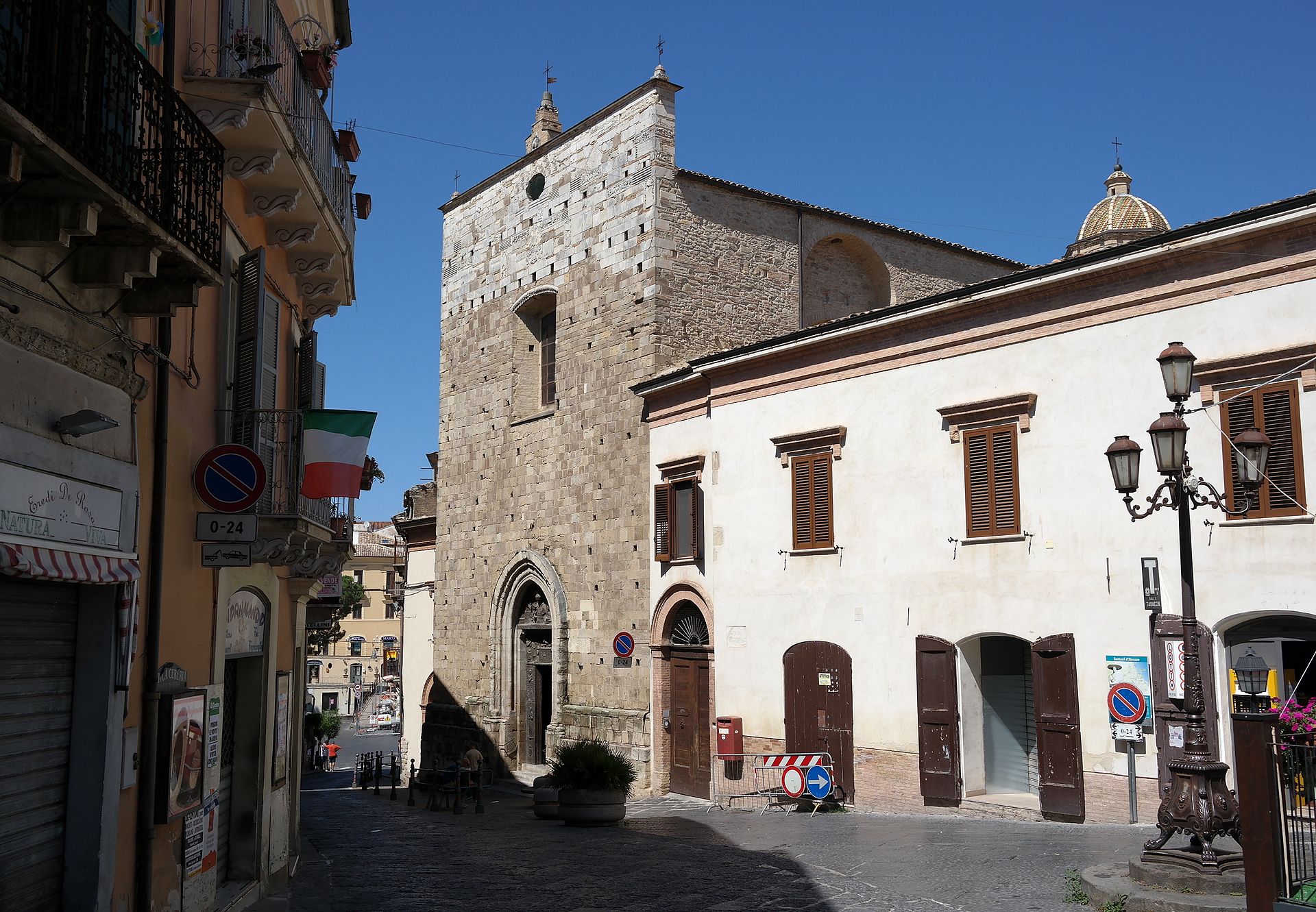
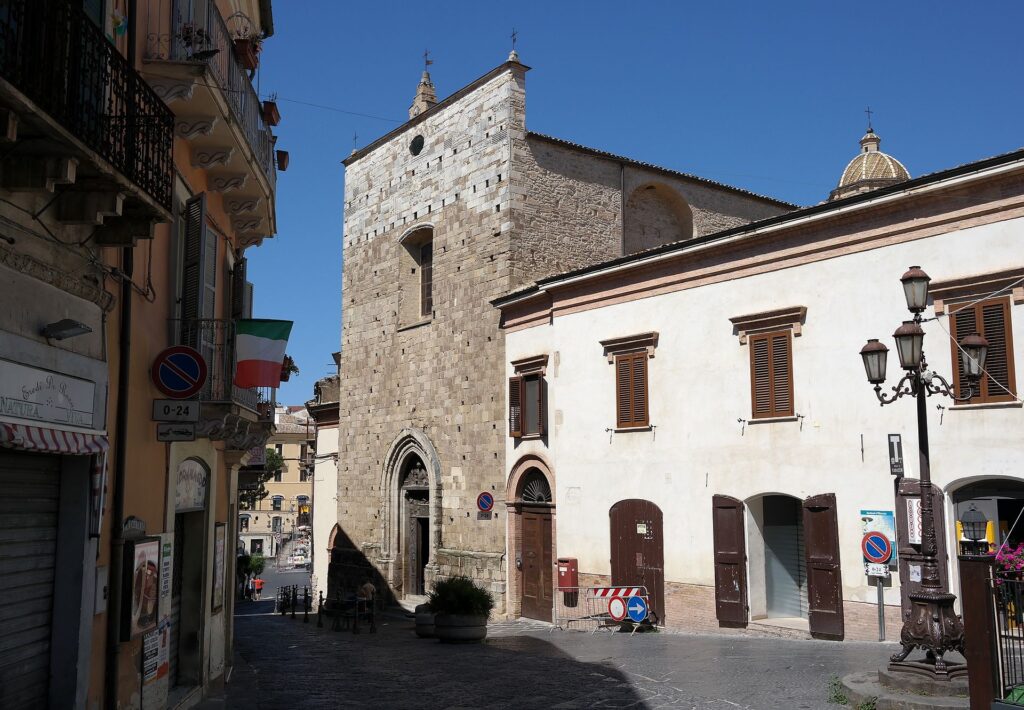
Fachada of the church of San Francisco de Lanciano, the exact sanctuary where the species venerated in the local Eucharistic tradition are guarded. This photograph replaces the previous theme image of Naples. Photo: Luca Aless, CC BY-SA 4.0, Wikimedia Commons.