
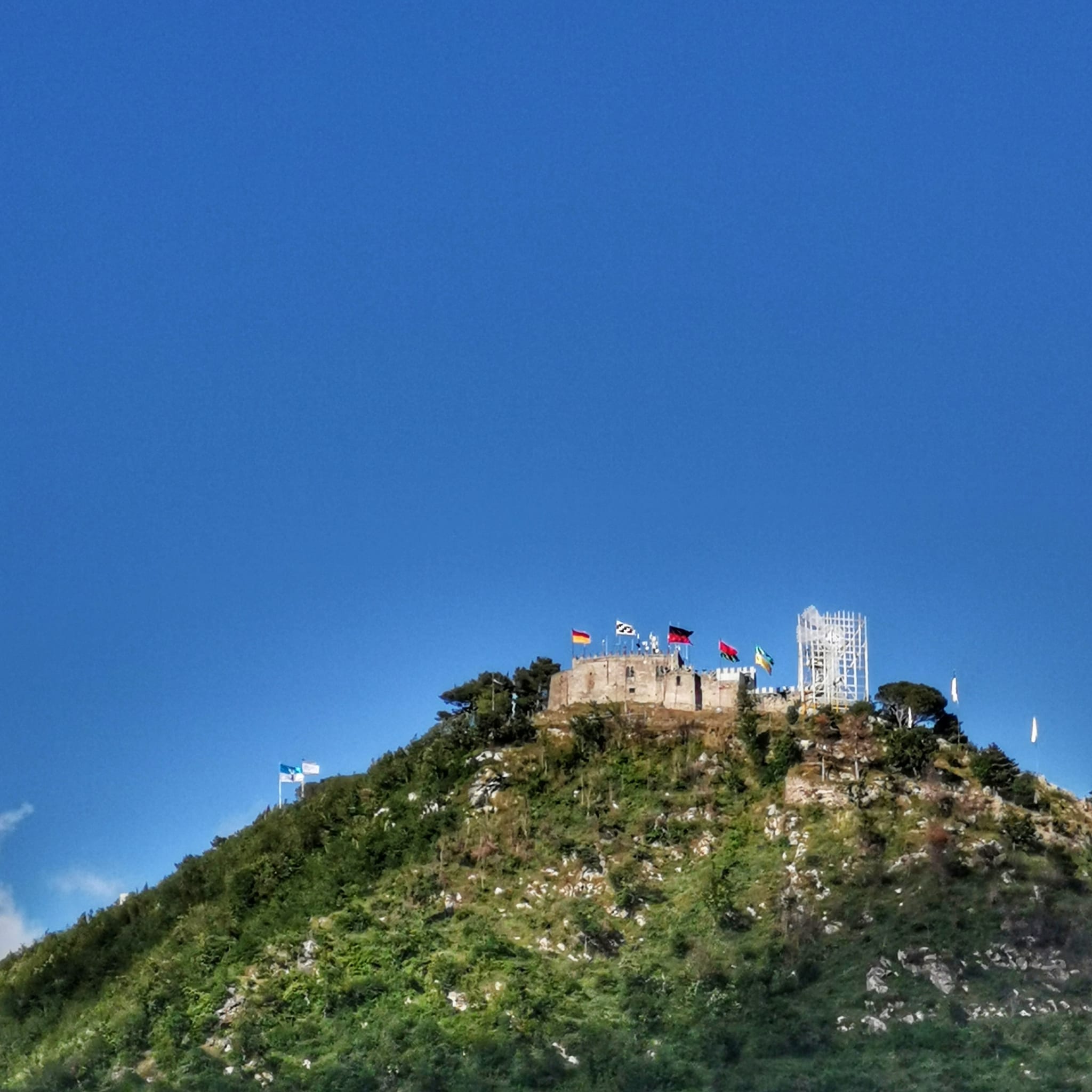
Cava de 'Tirreni retains a dear tradition according to which a Eucharistic procession to Monte Castello, in 1656, was linked to the cessation of the plague. The celebration remains alive, but its historical scope requires a prudent formulation.
History and Eucharistic Memory
The popular memory reports that the priest Francesco de Paola led the people with the Most Holy to the fortified height of Sant'Adiutore and blessed the city. Tradition interprets the subsequent decline of the epidemic as a grace received. A research published by the diocese in 2018 noted the absence of sufficient contemporary documentation to demonstrate this causal relationship.
What the documentation consulted recognizes
It is published as a highly arraigo Eucharistic and processional tradition, not as a proven historical causality. This precision does not diminish the celebrated faith: it distinguishes devotional memory from that which allows to affirm the preserved documents.
Current location and location
Monte Castello · Cava de' Tirreni. The marker has been placed in the place of worship, commemoration or custody documented; when the attributed origin and current custody differ, the map prefers the latter and expressly declares it.
Sources and editorial criteria
- Archidiócesis de Amalfi-Cava de' Tirreni: main ecclesial or institutional source.
- International exhibition on the Eucharistic miracles associated with Carlo Acutis: source of departure and support, compared to the previous one.
There is no tradition as if it were a scientific opinion, or the existence of veneration as if it were automatically equivalent to a formal decree on all the details of the story.
To pray before the Most Holy
Lord Jesus Christ, living bread down from heaven, increases our faith, gives us hunger for your Word and the Eucharist, and make what we worship become concrete charity with our brothers. Amen.
Image credit
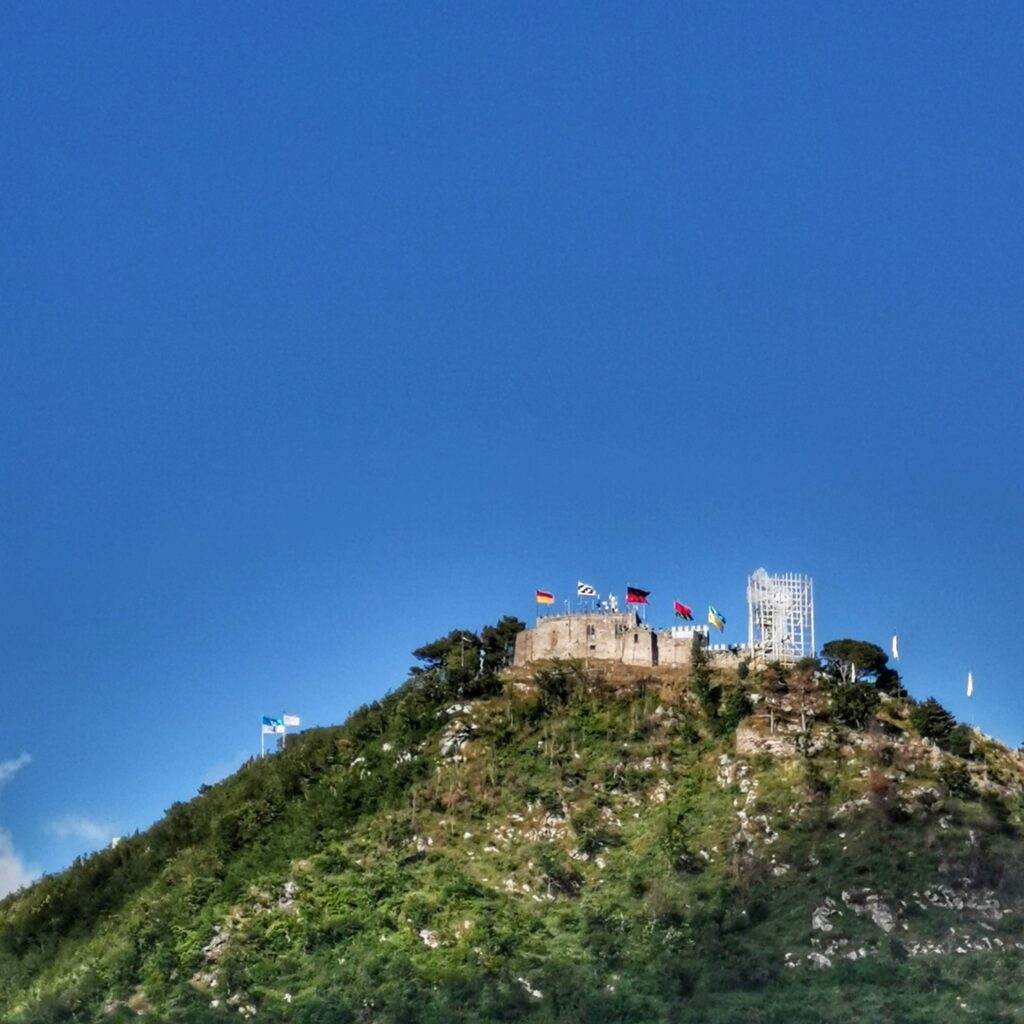
Imagen del lugar: Monte Castello. Matteo Fasano Tuttosucava / Wikimedia Commons, CC BY-SA 4.0. Fiction and license in Wikimedia Commons. Photography documents the place; it is not offered as visual evidence of the event.
