
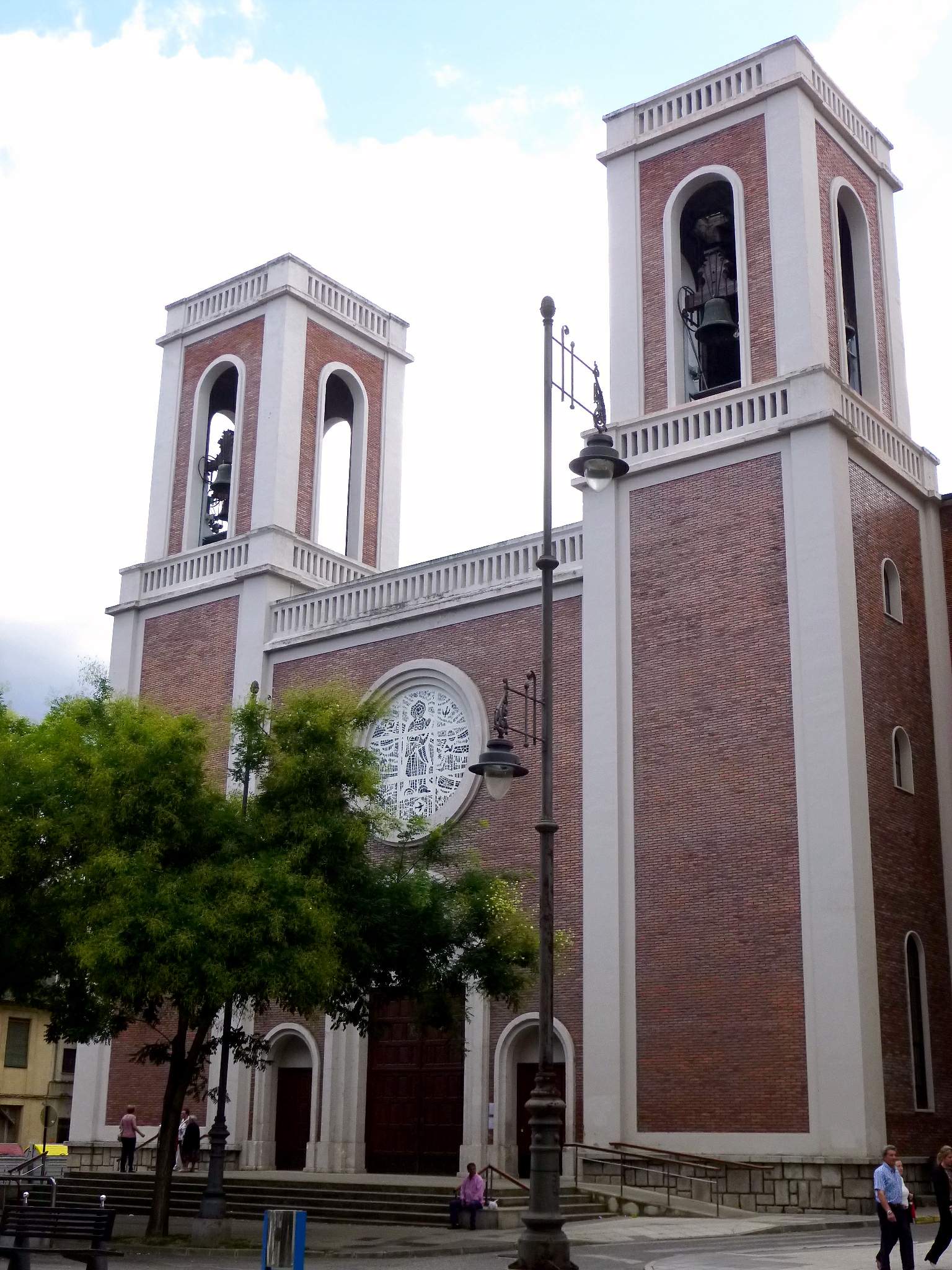
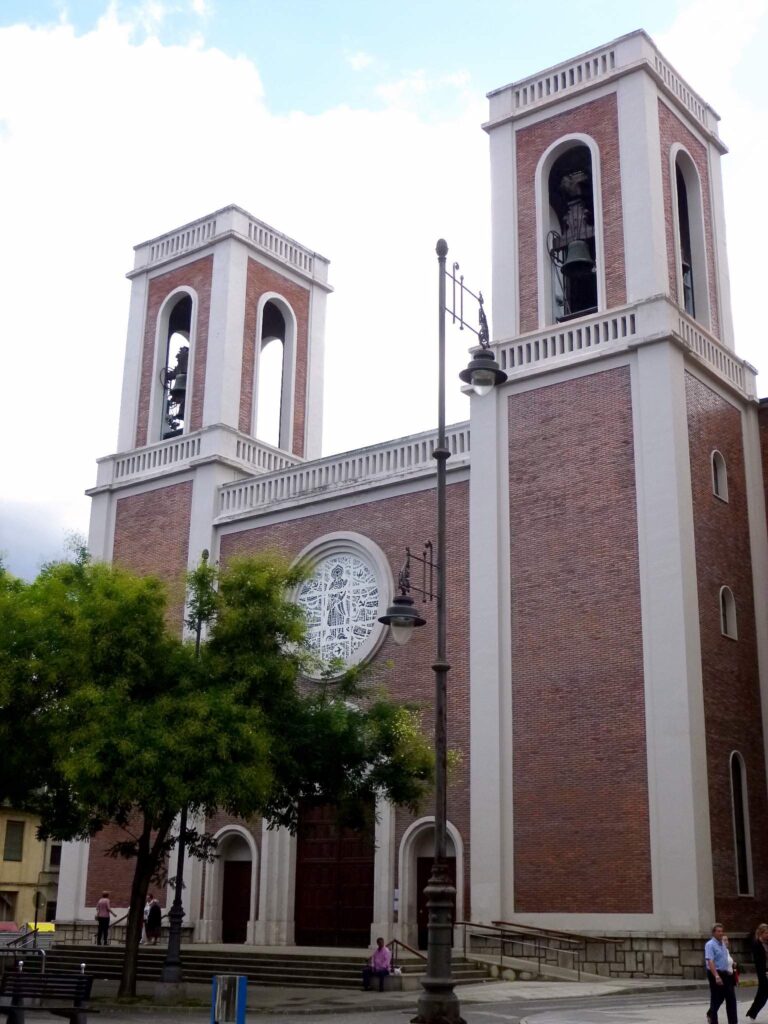
Between 1533 and 1536, according to later parish documentation, stolen forms of the ancient church of St. Peter were recovered in a zarzal. There was the hermitage of the Sacrament, which was demolished in 1970. An identified Eucharistic relic is not preserved; a memorial picture remains in the present church of St. Peter.
What happened according to tradition
The Eucharistic memory of Ponferrada recounts the theft of a wooden tabernacle or sacred one that contained a silver pious and consecrated forms. El responsible, identified by the tradition as Juan de Benavente, would have wanted to keep the silver and get rid of the hostias.
The story adds extraordinary episodes - unexplained weight, glow and birds over the place - that led to the finding. These details are presented as a tradition received and not as a verifiable contemporary observation.
A date between 1533 and 1536
The exposure associated with San Carlo Acutis rotates the case in 1533. The archival documentation cited by specialists indicates that the witnesses placed the event between 1533 and 1536. The tab retains 1533 to match the repertoire, but makes the chronological margin visible.
This precision avoids turning a traditional date into a certainty that the preserved sources do not allow for further tuning.
The ancient church of San Pedro
The robbery is linked to the ancient parish of San Pedro de Ponferrada, demolished in the 20th century. It should not be confused with Saint Peter the Apostle of Dehesas or with the modern church that today bears the name in the city.
The present parish retains an anonymous painting that represents the procession or recovery of the species. The image is later artistic memory, not visual proof of the event.
The attempt to hide the stolen
The news versions tell us that John took the sacrary to the Sil River and then hid it. Finally, he would have abandoned the píside and the forms between zarzas in a garden area outside the villa.
The narrative highlights the contrast between the will to hide and the manifestation of a light that attracts attention. The devotional sense is clear: the presence of Christ cannot be treated as merchandise or discarded without hurting the community.
The finding in the zarzal
Un mill, identified in local sources such as Nogaledo, reportedly observed signs about the zarzal and warned other neighbors. There the container and the forms were recovered, which tradition describes as intact.
Today there is no host that can be materially related to the finding. This is why the fact sheet does not speak of current analysis, incorruptibility still observable or visitable relic.
The documentation of the parish archive
The parish archive of the Basilica of Our Lady of Encina retains papers on the "miracle of the Most Holy Sacrament" stolen in St. Peter. One set covers 1570-1617 and includes the agreement for a procession of the eighth; another is a copy started in 1616.
These documents are after the episode, but they show that memory, research and celebration were institutionalized in the 16th and 17th centuries.
How to read later sources
Between an event of the 16th century and the current reader, copies, parish agreements, celebrations and devotional narrations are measured. A responsible reading does not mix all these testimonies as if they were written on the same day. The documents preserved demonstrate the antiquity and arraigo of the memory; they alone do not allow to check every extraordinary detail transmitted later.
That's why this file distinguishes three levels. The first is documentary: there were parish roles, an hermitage and a procession linked to the Sacrament. The second is memorial: the painting, the toponym of the Sacrament and the objects from the chapel prolong the memory. The third is narrative: the weight, the lights and the birds belong to the way tradition explained the finding.
This distinction does not empty devotion. On the contrary, it allows the Eucharist to be venerated without attributing more to the archives than they contain and prevents a pious tradition from becoming an archaeological or scientific affirmation that no one has shown.
The hermitage of the Sacramento
In the place attributed to the find was built around 1570 a hermitage dedicated to the Most Holy Sacrament. For centuries he physically pointed out the link between the story and the gardens of Ponferrada.
The small building survived until 1970, when it was demolished in the context of urban transformation. His disappearance forces him to distinguish the ancient solar from any temple still standing.
A recovered pile
The material memory of the hermitage is not reduced to stories. In 2022 the Bierzo Museum incorporated a baptismal pile from the building, which for decades had remained on a particular property.
The piece confirms the existence of the hermitage and allows to retain part of its heritage. It is not a relic of forms and should not be presented as a miraculous Eucharistic object.
The painting in the new church of San Pedro
The present church of San Pedro, built in the 20th century, keeps the picture transferred from the ancient parish. His contemplation helps to rebuild local memory and offers a more appropriate religious point of visit than a school yard.
For this reason the outstanding image shows that temple, while the historical map points to the surroundings of the ancient hermitage. Ficha and image explain the difference so that no one confuses artistic custody and place of finding.
Location: an approximate solar
diocesan and local sources place the hermitage in the Garden of the Sacrament, approximately in the area occupied by the compound of the CEIP Peñalba, Avenue Huertas del Sacramento 8. The official center confirms the direction and the name retains the memory.
The marker uses 42.5489295, -6.5950202, centre of the cartographic relationship of the school site. Its accuracy is labeled as "approximate solar": it does not claim that the altar or zarzal were at exactly that point.
Why no previous coordinate is used
The preliminary reference 42,5467, -6,5960 remained a few hundred meters south and only pointed to the urban environment. The new coordinate is based on the institutional identification of the CEIP and the location of the entire compound.
Nor is San Pedro de Dehesas used, which is another church in the municipality and not the urban temple related to the story.
Classification on the map
Ponferrada is incorporated as "historical tradition with missing hermitage and parish memory." The category recognizes the documentation, the old hermitage and the picture, but avoids promising a relic or a sanctuary in operation.
Guidance for the visit
Anyone who approaches Ponferrada can better understand this story in two different places. The present church of San Pedro retains the parochial artistic reference; the surroundings of the Garden of the Sacrament preserve the name and urban memory of the lost hermitage. The map's marker helps to place the second one, but does not invite you to enter the school site or point to an open point of worship.
The Christian visit must respect the current use of each space. Prayer and participation in the Mass correspond to the temple; the old location is only considered as an approximate historical reference. Before moving it is appropriate to confirm with the parish the times and the possibility to see the painting.
Spiritual feeling
The story invites us to repair the contempt for the Eucharist and to understand that sacred goods are not objects of profit. The Christian response is not hatred of the guilty, but conversion, truth and restoration of communion.
The hermitage disappeared and the forms are not preserved, but the teaching remains: Christ is given in every mass and calls for recognition also in the poor, the wounded and those in need of reconciliation.
Sources consulted
- Diocese of Astorga: The Church Today, memory of the hermitage of the Sacrament.
- Ecclesiae Memory: documentation of the parish archive of La Encina.
- Junta de Castilla y León: official address of CEIP Peñalba.
- Exposure associated with San Carlo Acutis: Ponferrada, compared to the previous documentation.
Para orar
Jesus the Eucharist, forgive our misobeisance. Make us repair the damage with love, guard your presence with humility and recognize you in every brother. Amen.
Image credit
Current Church of San Pedro de Ponferrada. Zarateman / Wikimedia Commons, CC0. Archive and dedication CC0 in Wikimedia Commons.
