
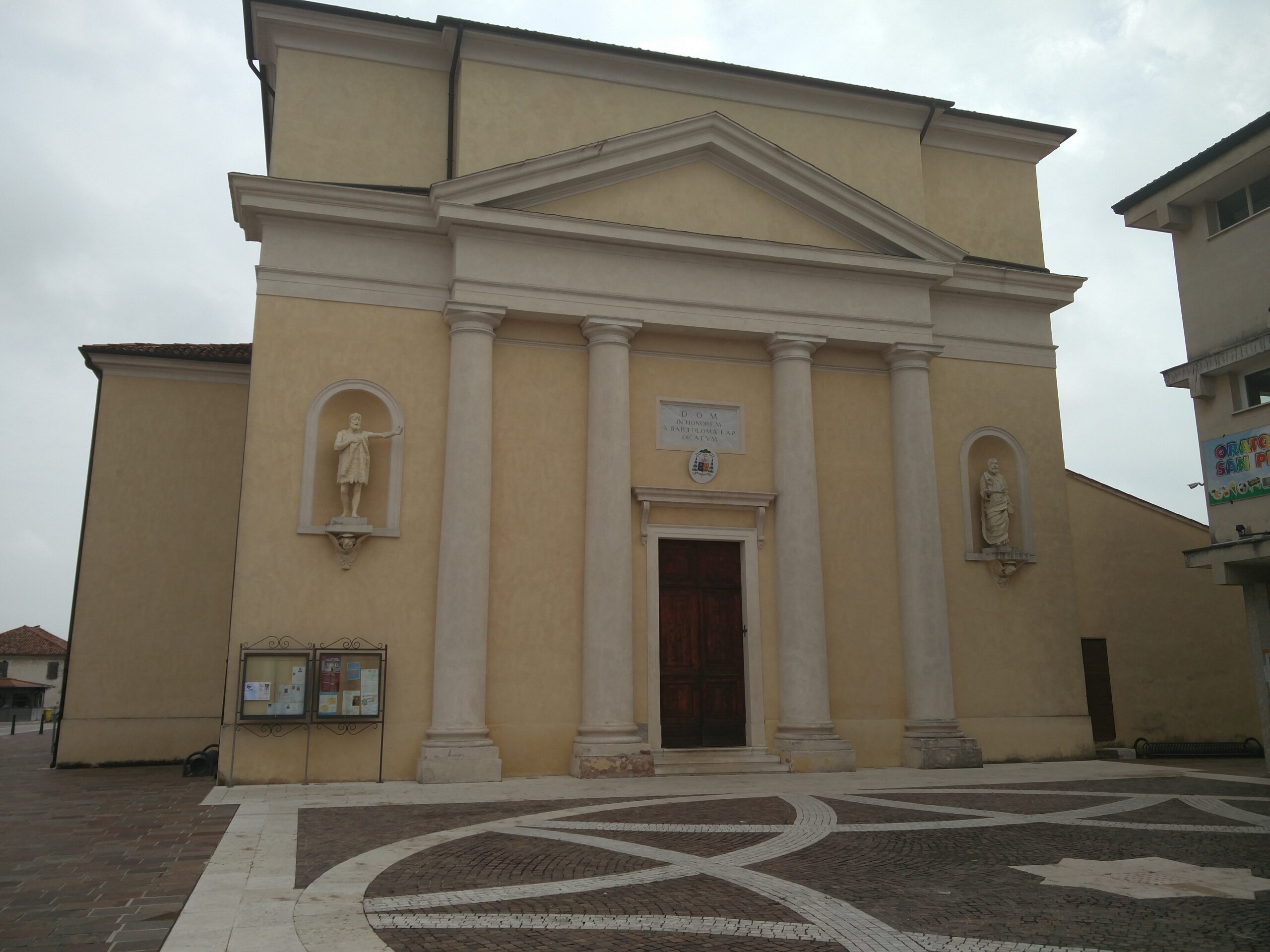
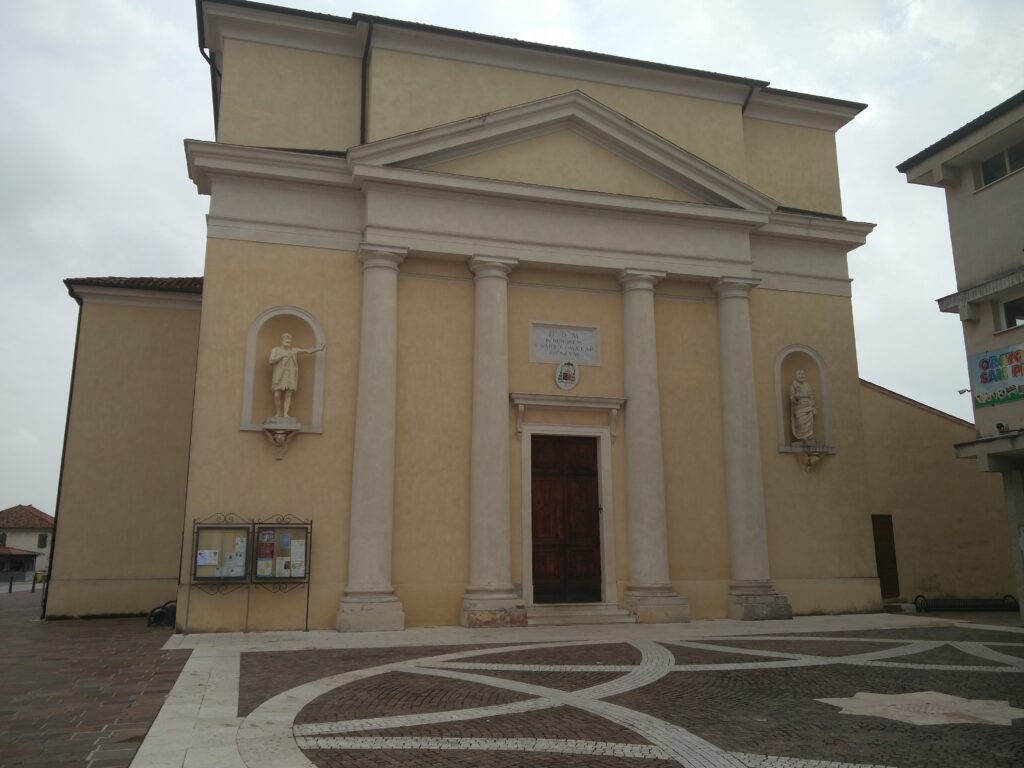
Salzano transmits a 1517 story: while a priest carried the Viatic to a sick man, several donkeys would have doubled their legs before the Eucharist and accompanied the small procession. The tab retains memory as a tradition of reverence, not as a transformation of species or as a preserved relic.
The story of the Viatic
Tradition places the event in 1517, when a priest was called to bring communion to a sick person in danger of death. He was accompanied by a monaguillo and crossed the meadows near the Muson River. According to the narration transmitted, some of the donkeys who pasted approached, bent their legs before the Most Holy Sacrament and accompanied the priest to the house, where they repeated the gesture.
What is the Viatic
Viatic is the communion that the Church offers to a person near death as food for the last part of her pilgrimage. His center is not the extraordinary, but Christ who accompanies the sick. Catholic discipline calls for the Eucharist to be carried with reverence and to go to the home without other activities, precisely to protect the Sacrament and to meet with a request.
How the memory was transmitted
The divulgative reconstructions relate the story to Jesuit writings and subsequent archival references. They mention the priest Lorenzo, chaplain in Salzano, and point out that at the end of the 19th century the tradition was considered in the context of Eucharistic congresses. Without access to the so-called verbal process of the 16th century, these data should be presented as a declared transmission chain, not as primary documentation examined directly.
What was documented about Salzano
The Diocese of Treviso documents the identity of the parish and its intense later Eucharistic history, especially during the ministry of Giuseppe Sarto, future Saint Pius X. This story confirms the ecclesial place and the community, but the diocesan page consulted does not certify the prodigy of 1517. The tab expressly separates both things so as not to lend one source more than it states.
Level of recognition
A transformed form or relic of the episode is not preserved. Nor has a decree of the bishop declared the prodigy been located online. The inclusion in the exhibition associated with San Carlo Acutis attests to the contemporary dissemination of the story, not an automatic canonization of each detail. The map appears as a local tradition of reverence to the Viatic.
A reading without superstition
The kneeling animals form a present motive in different Christian narrations about the creation that recognizes their Creator. Spiritual teaching does not consist in seeking prodigious repetitions or in attributing magic power to a journey. He invites us to regain respect for the communion brought to the sick, the closeness to those who suffer, and the simple faith in Christ that he accompanies to the end.
Place on the map
The marker points Iglesia de San Bartolomeo Apostolo · Salzano. The coordinates identify the ecclesial place that preserves or contextualizes memory; they do not seek to locate an exact point of the episode when sources do not allow it.
Sources consulted
- Diocese of Treviso · parish history of Salzano.
- Disseminative reconstruction with historical and archival references.
- International exhibition associated with San Carlo Acutis, source of departure tested and subject to the indicated causals.
Para orar
Jesus, Bread of life and companion of the sick, make us reverent before your presence and attentive to those who go through fragility and death. Deliver us from curiosity and superstition; give us a faith that becomes care, comfort and hope. Amen.
Image credit
Iglesia arciprestal de Salzano. Gedeone000 / Wikimedia Commons, CC BY-SA 4.0. File and license in Wikimedia Commons.
