
A noble pride demanded to communicate with a greater host; upon receiving it, the earth seemed to sink under his feet and the Holy Form dyed with blood.
Documented history and memory received
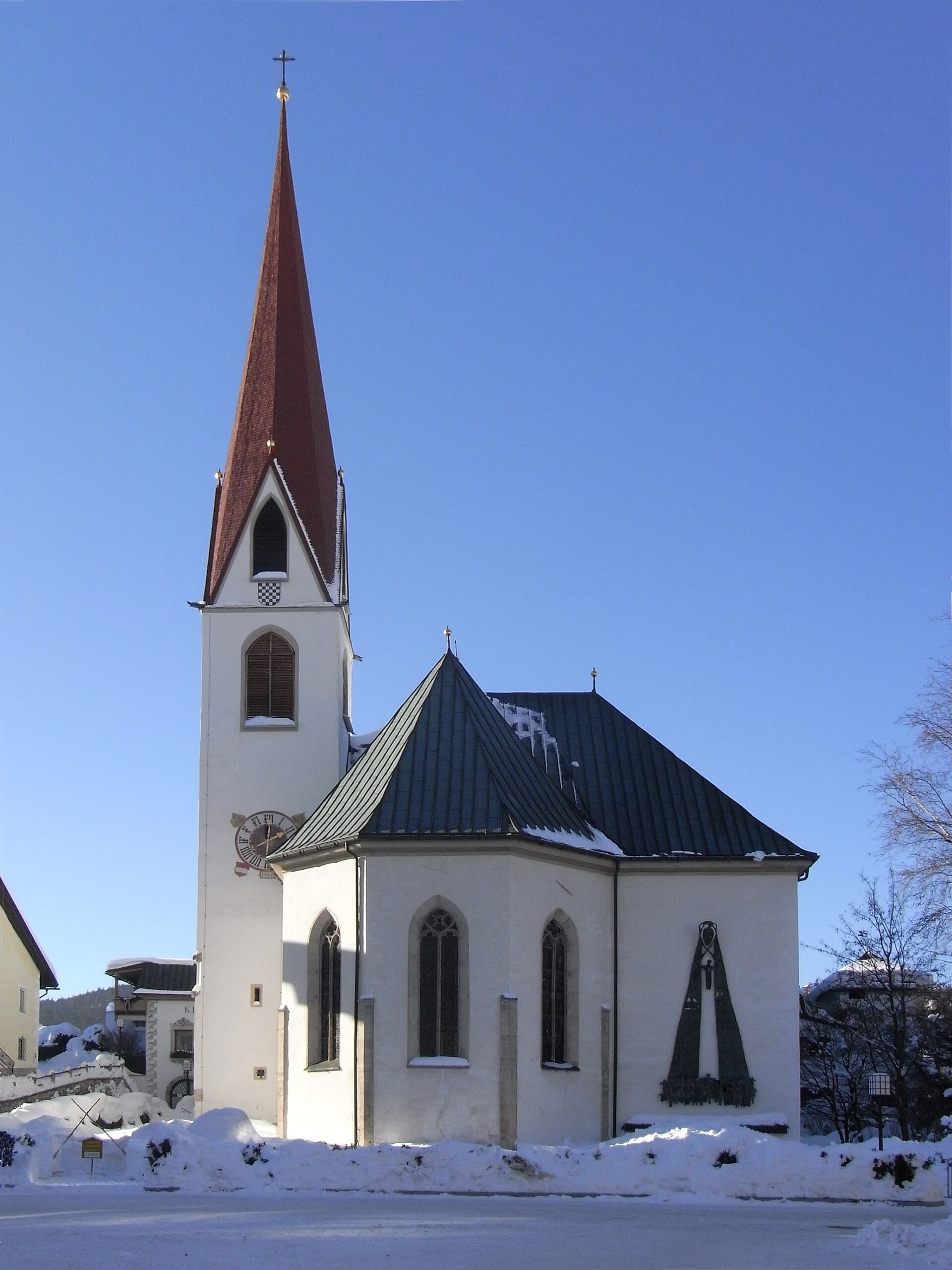
The parish of San Osvaldo de Seefeld has been documented since the 14th century and has become an important pilgrimage destination. According to the local legend, in 1384 Oswald Milser demanded a greater host and the ground gave way as the shape was dyed red. The parish information itself uses expressions equivalent to "supposedly" for the episode, while documenting the Gothic expansion of the temple and its heritage. This difference between architectural history and devotional account is preserved.
Who venerates the memory
The look is directed to Jesus Christ and to the mystery of his Incarnation, Passion, Death, Resurrection or Reign. The image, relic, monument or custom does not act by its own power: it serves the memory of the Gospel and leads to prayer, sacraments, conversion and charity.
History, tradition and discernment
History of the documented temple; the shrine itself presents the episode as a tradition or supposed event. The tab retains the memory received without turning legend, witness or believing interpretation into a historically demonstrated fact.
Celebration and devotional life
Festivity or main time: Commemoration at the church of San Oswaldo in Seefeld.
No automatic promise or prodigy guarantee is documented. Eucharistic veneration leads to mass, veneration, conversion, reparation of damage and charity.
Location on the map
The marker points to the parish church of San Osvaldo · Seefeld (Austria). The coordinate was contrasted with open mapping and institutional identification of the place.
Main source
Parroquia de Seefeld. Contrast lettering with OpenStreetMap/Nominatim.
Para orar
Lord, I am not worthy of you entering my house, but a word of yours will be enough to heal me.
Image credit
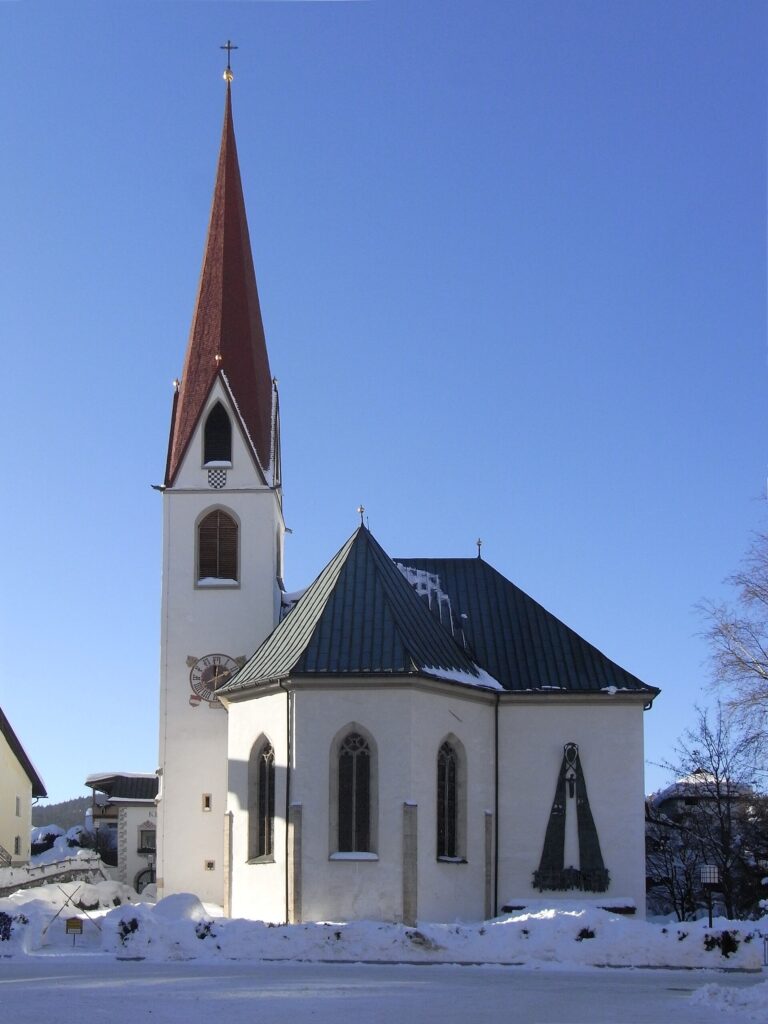
The parish church of San Osvaldo de Seefeld in Tyrol, an exact place that preserves the memory of the medieval Eucharistic tradition. This photograph replaces the previous theme image of Naples. Photo: Aisano, CC BY-SA 3.0, Wikimedia Commons.