
During the Feast of Saint Secundo in 1535, a consecrated host who had fallen to the ground appeared stained with blood in the sight of priests and faithful.
Documented history and memory received
The collegiate of San Secundo de Asti retains a tradition linked to the mass of July 25, 1535. According to the story, a fallen form showed a red sign. The church, the patronal memory and the local Eucharistic devotion can be documented, but no contemporary material file has been located that will allow the nature of the stain to be affirmed. The file maintains the episode as a historical tradition and not as a scientific test.
Who venerates the memory
The look is directed to Jesus Christ and to the mystery of his Incarnation, Passion, Death, Resurrection or Reign. The image, relic, monument or custom does not act by its own power: it serves the memory of the Gospel and leads to prayer, sacraments, conversion and charity.
History, tradition and discernment
Church and local memory; red sign not treated as scientific report. The tab retains the memory received without turning legend, witness or believing interpretation into a historically demonstrated fact.
Celebration and devotional life
Festivity or main time: July 25 (party of 1535).
No automatic promise or prodigy guarantee is documented. Veneration leads to Christ, the Eucharist, conversion, reparation, unity and charity.
Location on the map
The score points to Collegiata de San Secundo · Asti (Italy). The coordinate was contrasted with open mapping and institutional identification of the place.
Main source
Diócesis de Asti. Contrast lettering with OpenStreetMap/Nominatim.
Para orar
Praise the Most Holy Sacrament of the altar.
Image credit
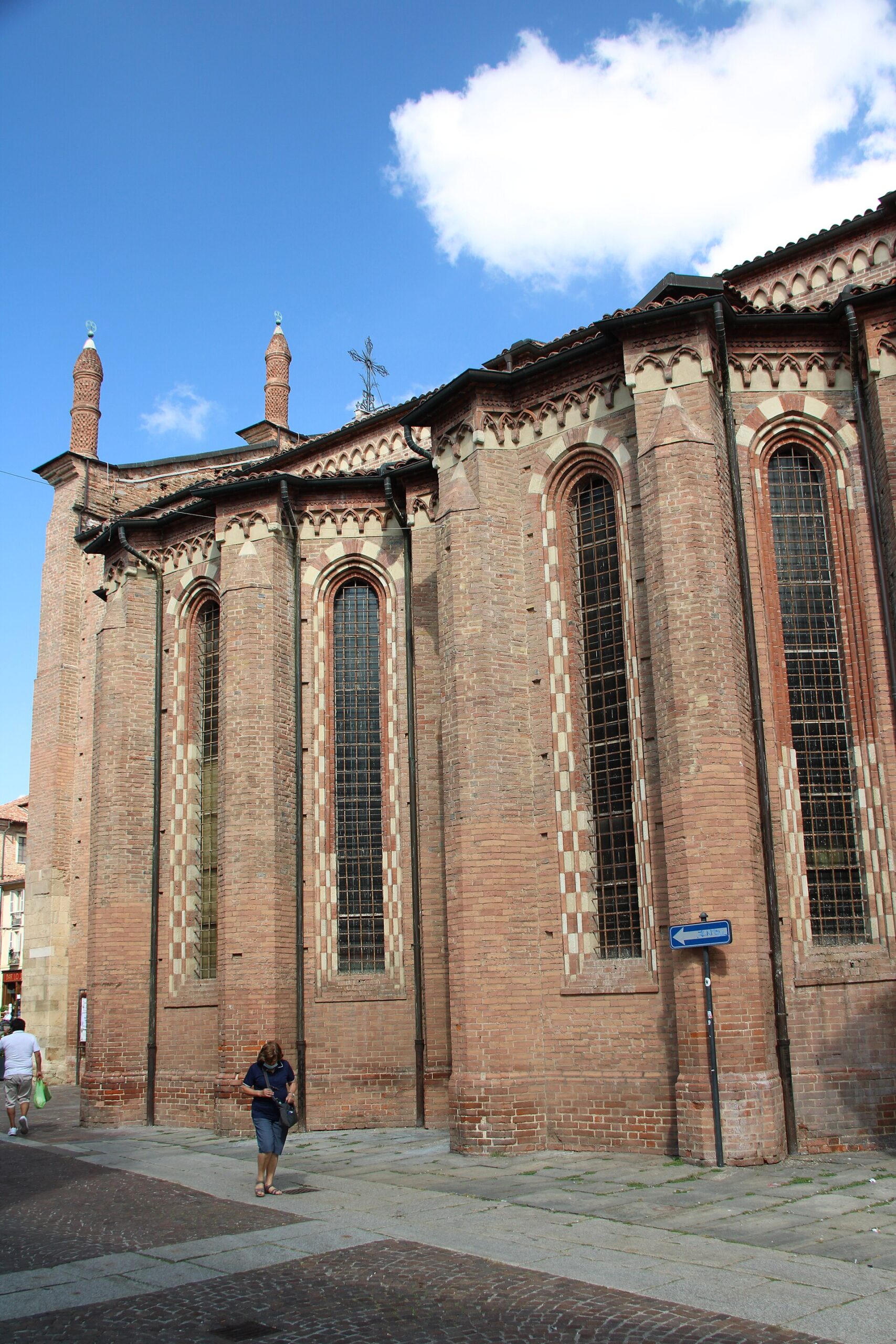
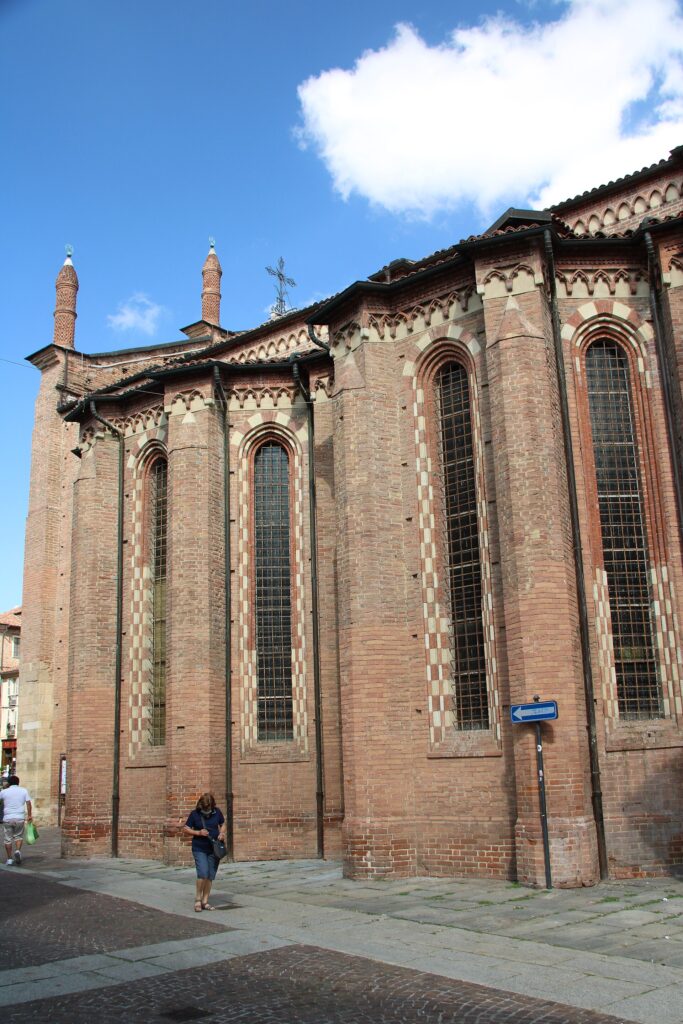
Exterior of the collegiate of San Secundo de Asti, an exact place linked to the Eucharistic memory transmitted since 1535. The image documents the temple and does not constitute a material proof of the story. It replaces Nin's previous thematic photograph. Photo: Mongolo1984, CC BY-SA 4.0, Wikimedia Commons.