
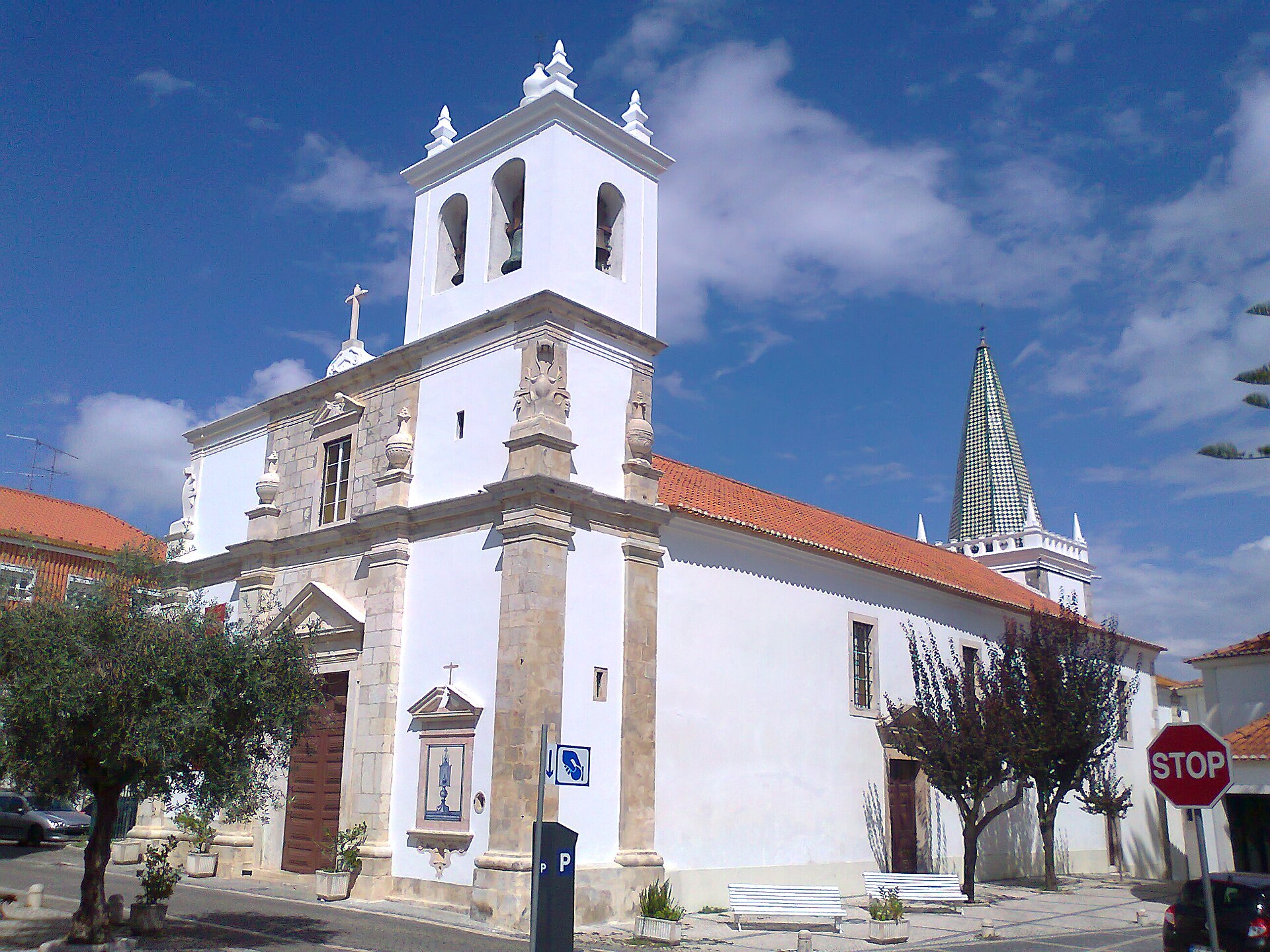
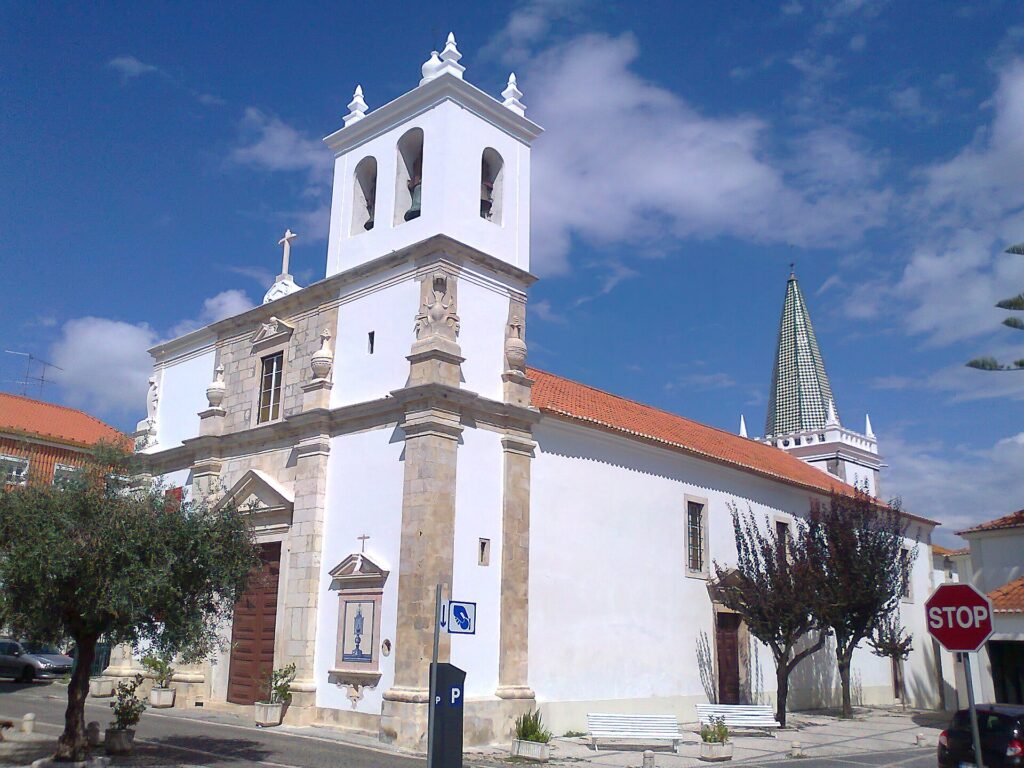
A consecrated host, stolen by a woman for a spell, began to bleed; it is preserved today in the church of St. Stephen of Santarem.
Documented history and memory received
The church of San Esteban de Santarém, today Sanctuary of the Most Holy Miracle, keeps a relic linked to a medieval narrative about a form removed and found with red signs. The origin is usually dated in the 13th century, although the versions vary. The continuity of the sanctuary, the relic and the veneration are ecclesial facts; light, bleeding and domestic details are presented as tradition. No magic practices are recommended and no self-power is attributed to the object.
Who venerates the memory
The look is directed to Jesus Christ and to the mystery of his Incarnation, Passion, Death, Resurrection or Reign. The image, relic, monument or custom does not act by its own power: it serves the memory of the Gospel and leads to prayer, sacraments, conversion and charity.
History, tradition and discernment
Sanctuary and continuous veneration; supernatural details as medieval tradition. The tab retains the memory received without turning legend, witness or believing interpretation into a historically demonstrated fact.
Celebration and devotional life
Festivity or main time: Commemoration at the church of St. Stephen of Santarem.
No automatic promise or prodigy guarantee is documented. Veneration leads to Christ, the Eucharist, conversion, reparation, unity and charity.
Location on the map
The marker points to Sanctuary of the Most Holy Miracle · Santarem (Portugal). The coordinate was contrasted with open mapping and institutional identification of the place.
Main source
Diocese of Santarem. Contrast lettering with OpenStreetMap/Nominatim.
Para orar
Blessed be the most precious Blood of Christ.
Image credit
Exterior of the Shrine of the Most Holy Miracle of Santarém, ancient church of St. Stephen and exact place of custody of tradition. Photo: GualdimG, CC BY-SA 4.0, Wikimedia Commons.